
Cuba's Cultural Festivals Drive Inclusive Tourism Strategy in 2026
Cuba is reshaping its tourism sector through government-backed cultural celebrations that prioritize community participation, cultural diversity, and inclusive travel experiences across the Caribbean.

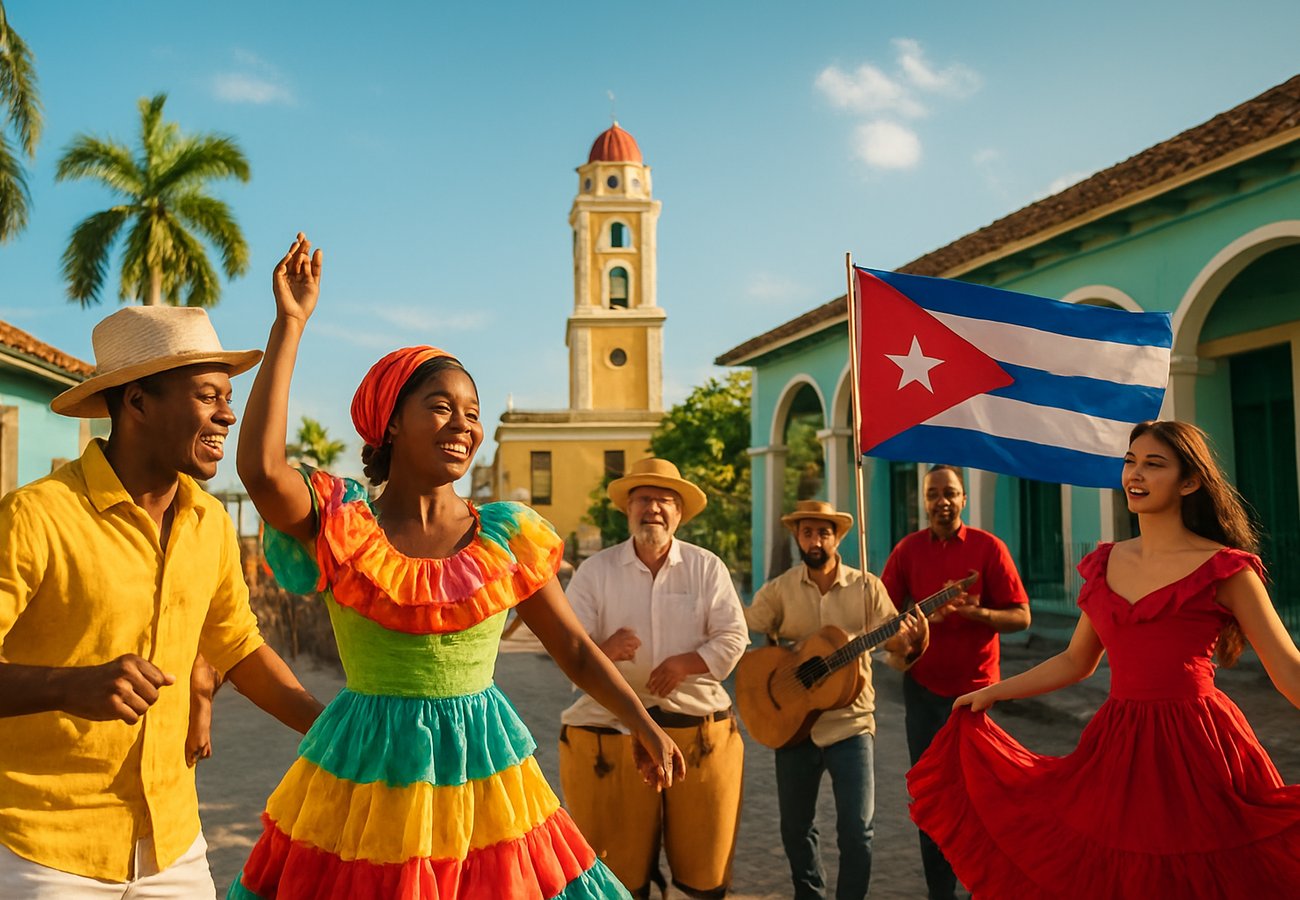
Image generated by AI
Cuba's Bold Pivot: Making Tourism Personal Through Culture
Cuba is rewriting its tourism playbook. Rather than leaning solely on sun-drenched beaches and colonial architecture, the Ministry of Tourism of Cuba (MINTUR) has placed cultural expression and community participation at the center of its 2026 tourism strategy.
This isn't just marketing speak. The shift reflects a fundamental understanding that modern travelers crave authenticity—they want to dance salsa with locals, not just photograph it from a resort balcony.
The evidence is clear in how the government has mobilized cultural festivals as primary tourism draws, embedding local communities directly into the visitor experience rather than treating them as background scenery.
When Festivals Become Economic Engines
Walk through Cuba's major cultural celebrations today and you'll witness something striking: the boundaries between performer and tourist blur entirely.
Son, salsa, and rumba—the musical heartbeat of Cuba—aren't confined to evening shows anymore. They're woven into street celebrations, neighborhood gatherings, and public spaces where international visitors participate alongside locals. These festivals serve as platforms where African, Spanish, and Caribbean heritage converge into something unmistakably Cuban.
Reddit: "The best part of my Cuba trip wasn't the beaches—it was crashing a neighborhood fiesta where everyone welcomed us like family." — r/travel
MINTUR's government-supported frameworks deliberately structure these events to encourage direct interaction. Local artists perform. Small business owners sell traditional crafts. Culinary traditions get showcased. Tourism becomes a genuinely shared experience rather than a one-way transaction.
The economic multiplier effect is real: when visitors spend money at community-run cultural events, that wealth stays in neighborhoods instead of flowing upward to international hotel chains.
Inclusivity as Policy, Not Afterthought
Cuba's tourism development documents now explicitly state that tourism benefits must be distributed across communities. This isn't accidental—it's intentional architecture.
The country has embedded accessibility principles into tourism infrastructure, ensuring that cultural sites and major festivals welcome visitors with mobility challenges, hearing or vision impairments, and diverse socioeconomic backgrounds. Heritage institutions collaborate directly with local authorities to create genuine pathways for community participation.
What makes this significant? Many Caribbean nations treat inclusivity as a checkbox. Cuba has made it structural—woven into planning frameworks supported by national institutions.
The Authenticity Premium
Modern travelers will pay premium rates for authentic experiences. Cuba's cultural tourism model taps directly into this market reality: visitors seeking genuine immersion rather than sanitized resort entertainment.
The "Festival of Colors" exemplifies this approach—bringing together communities and visitors in environments that feel organically celebratory, not choreographed for cameras. According to UN Tourism, authentic cultural tourism experiences drive higher visitor satisfaction and longer stays than conventional beach-focused packages.
This positioning helps Cuba differentiate itself within the Caribbean travel market, where competing destinations increasingly offer similar coastal amenities.
Sustainability: The Hidden Architecture
Here's where Cuba's strategy gets sophisticated. Cultural preservation and tourism growth typically compete—more visitors mean more pressure on traditions.
Cuba's approach inverts this tension: sustainable practices become the foundation supporting cultural tourism. Government initiatives emphasize responsible visitor behavior, support for local production, and revenue-sharing mechanisms that fund community development projects.
This alignment with international sustainability principles protects traditions from over-commercialization while ensuring tourism remains economically viable long-term. It's preventing the cultural erosion that has damaged heritage destinations elsewhere.
Why This Matters for Your Travel Plans
If you're planning Caribbean travel, Cuba's inclusive tourism model offers something rare: a destination where visiting actually strengthens communities rather than extracting value from them.
Tourism authorities report that cultural events significantly shape how visitors perceive the destination and whether they return. The emotional connections built during authentic cultural exchanges create loyalty that transcends typical tourist cycles.
The practical takeaway: book festivals and community-led experiences directly when visiting Cuba. Your money flows to local organizers, your experience feels genuine, and you're supporting the very systems that preserve these traditions.
The Caribbean Template
Cuba's model is becoming a regional reference point. By prioritizing diversity, community agency, and cultural preservation, the country demonstrates that tourism economics and social values aren't mutually exclusive.
MINTUR's vision—tourism as a tool for national unity and cultural exchange rather than pure profit extraction—represents a philosophical shift gaining traction across the developing world.
The ongoing expansion of inclusive festivals reflects Cuba's commitment to building sustainable, culturally rich tourism that strengthens rather than exploits communities.
Authentic travel should leave a place better than you found it.
Related Travel Guides
Five European Cities Connected by Rail: Culture Meets Sustainability
HIGH SEASON 2027 ☀️ Full-service flights from London to the Philippines for £444
Disclaimer
This article is for informational and educational purposes only. It does not constitute legal, financial, or professional advice. While we strive to provide accurate and up-to-date information, travel policies, regulations, and conditions change rapidly. Always verify information with official sources before making travel decisions. Nomad Lawyer makes no representations about the accuracy, reliability, completeness, or suitability of the information provided. Readers should consult qualified professionals for advice specific to their circumstances. The views expressed in this article are those of the author and do not necessarily reflect the views of Nomad Lawyer.
Raushan Kumar
Founder & Lead Developer
Full-stack developer with 11+ years of experience and a passionate traveller. Raushan built Nomad Lawyer from the ground up with a vision to create the best travel and law experience on the web.
Learn more about our team →