
Baracoa Travel Guide 2026: Eastern Cuba Access, La Farola Road Routes, and Humboldt Rainforest Trails

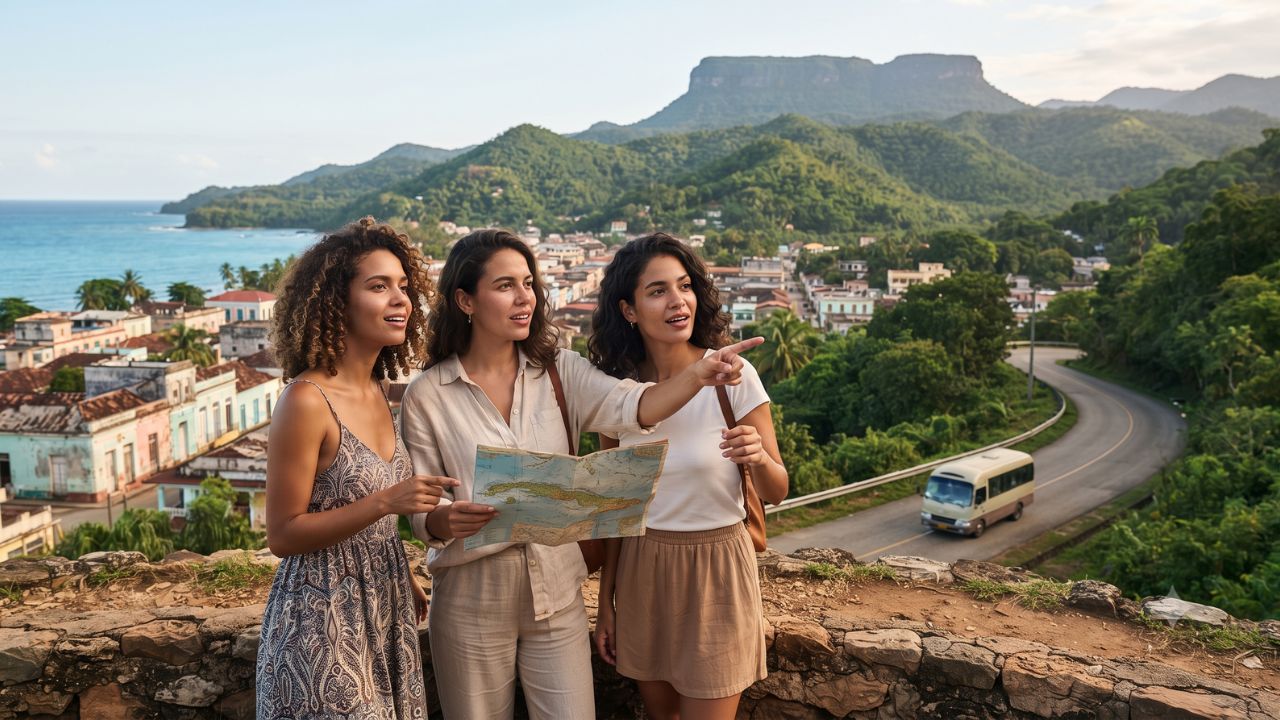
While Baracoa was founded in 1511 as Cuba’s very first Spanish settlement and remained accessible only by sea until the dramatic La Farola mountain highway opened in 1965, independent travelers in late 2026 face an intricate logistical puzzle with suspended regional airports and 165 state hotel rooms marked unavailable online. Official records verified on 4 October 2026 from the Cuba Travel Ministry of Tourism Portal reveal conflicting transport schedules across Spanish and English channels, requiring travelers to carefully plan ground routes to explore eastern Cuba's untamed rainforest rivers, cacao plantations, and UNESCO-protected reserves.
Isolated at the easternmost tip of Guantánamo province, Baracoa offers a cultural and ecological counterweight to Cuba’s crowded northern all-inclusive beach resorts. Here, high-altitude rainforests meet the Atlantic Ocean, creating microclimates where endemic flora flourishes alongside authentic Afro-Taíno culinary traditions like palm-leaf cucurucho sweets and hot spiced chorote drinking chocolate. However, with scheduled flights grounded at both regional airports, successfully reaching this historic enclave demands verified overland coordination.
Ground Transit and Regional Airport Status Across Guantánamo
Traveling to Baracoa requires evaluating real-time ground infrastructure. Current listings on official state tourism portals designate both Gustavo Rizo Airport in Baracoa and Mariana Grajales Airport in Guantánamo City as unavailable for scheduled domestic passenger aviation. Furthermore, while the physical Viazul bus terminal in Baracoa remains open, booking platforms show conflicting operational statuses for standard long-distance coach tickets.
To maintain connectivity, state travel agencies Havanatur, Viajes Cubanacán, and Cubatur operate a dedicated long-distance transfer service connecting Santiago de Cuba, Guantánamo City, and Baracoa. This six-hour scenic route departs Baracoa at 06:00, reaching Santiago de Cuba at 12:00, with return journeys departing Santiago at 15:00 and arriving in Baracoa at 21:00. This service operates on Wednesdays and Sundays, while Friday departures are currently unavailable.
Travelers can also reach Baracoa by hiring private taxi transfers across the suspended engineering feat of La Farola mountain pass from Guantánamo, or driving high-clearance rental vehicles along the rugged northern coastal road from Holguín through Moa and the perimeter of the Cuchillas del Toa Biosphere Reserve.
| Transit Corridor & Service | Operational Status (Oct 2026) | Transit Duration & Frequency | Practical Traveler Requirement |
|---|---|---|---|
| Gustavo Rizo Airport (BCA) | Scheduled Flights Unavailable | Not currently operational | Rely on overland road transport |
| Mariana Grajales Airport (GAO) | Domestic Flights Unavailable | Not currently operational | Re-route via Santiago or Holguín airports |
| Santiago–Guantánamo–Baracoa Transfer | Active Wednesday & Sunday | 6 Hours (Departs 06:00 / 15:00) | Book in advance via Havanatur or Cubatur |
| La Farola Mountain Highway | Open for Taxis & Rental Cars | 3.5 to 4.5 Hours from Guantánamo | Daylight driving recommended for mountain switchbacks |
| Northern Moa Coastal Corridor | Open for High-Clearance 4x4 | 5 to 7 Hours from Holguín | Rough unpaved sectors require sturdy vehicle |
What Makes Baracoa's Cultural and Natural Heritage Unique
Baracoa’s centuries of geographical isolation created a distinct cultural enclave. Surrounded by the flat-topped anvil peak of El Yunque (575 meters) and the torrential waters of the Toa River—Cuba's mightiest river—the region retains deep indigenous roots reflected in traditional cuisine, boat building, and music.
Nature and adventure tourism around Baracoa center on three premier guided excursions:
- Alejandro de Humboldt National Park: Inscribed on the UNESCO World Heritage Centre List in 2001, this 71,140-hectare park spans Guantánamo and Holguín provinces. Known as one of the most biologically diverse island reserves on earth, guided excursions include a three-kilometer guided forest hike through pristine pine-oak habitats harboring the endangered Cuban solenodon, the Monte Iberia dwarf frog, and vibrant polymita tree snails.
- El Yunque Table Mountain Trail: A five-kilometer guided trek crossing the Duaba River and climbing through dense cacao groves to reach the anvil-shaped limestone plateau, rewarding hikers with panoramic vistas of the Caribbean Sea.
- Yumurí River Canyon: A six-kilometer expedition combining hiking and wooden rowboat (cayuco) journeys through a 200-meter-deep limestone gorge filled with endemic ferns, royal palms, and crystal-clear swimming pools.
| Protected Area & Cultural Trail | Ecological Significance | Activity Structure | Booking & Guide Requirements |
|---|---|---|---|
| Alejandro de Humboldt National Park | UNESCO World Heritage (71,140 ha) | 3 km guided rainforest hike | Mandatory certified Ecotur park guide |
| El Yunque Wilderness Trail | Flat-topped anvil summit (575m) | 5 km jeep and hiking route | Park entrance fee & river-crossing guide |
| Yumurí River Gorge | Dramatic 200m limestone canyon | 6 km hike & traditional boat ride | Local boatman cooperative & guide |
| Toa River Basin & Duaba Farm | Cuba's cleanest and largest river | Cacao workshops & bamboo rafting | Available through Cubanacán & local fincas |
| Boca de Boma & Maguana Beach | White-sand reef-protected coast | Coastal swimming & seafood | Accessible via Baracoa BusTour or taxi |
Visitor Insider Tips
- Book Private Casas Particulares for Lodging: While seven state-run hotels—including historic properties El Castillo (62 rooms), Baracoa Hotel (44 rooms), and La Rusa (12 rooms)—currently carry unavailable inventory labels on official booking portals totaling 165 blocked rooms, Baracoa's network of private guesthouses (casas particulares) is fully operational. Family-run homestays along Calle Martí and the Malecón offer comfortable air-conditioned rooms, solar backup, and home-cooked meals.
- Sample Hyper-Local Culinary Delicacies: Baracoa is the only place in Cuba where coconut milk and fresh ginger define the culinary base. Order pescado con leche de coco (fresh snapper in spiced coconut milk) and sample tetí—tiny translucent river fish harvested during lunar cycles at river mouths. On the street, buy fresh cucurucho, a sweet paste of shredded coconut, guava, papaya, and honey packed inside conical palm bark.
- Verify Wilderness Excursions Locally with Ecotur: Do not rely on automated online apps for park entries. Visit the official Ecotur or Cubatur agency offices located near Parque Central Independencia in Baracoa to hire certified naturalist guides and arrange 4x4 transport for Humboldt National Park.
- Carry Cash in Small Denominations: Electronic card payment terminals are limited in eastern Cuba. Carry sufficient cash (Euros, US Dollars, or Cuban Pesos in clean bills) to pay for local transport, national park admissions, boatmen tips, and dining in private paladares.
Cultural and Environmental Context
Travel to eastern Cuba takes place against a broader economic transition across the island. According to national statistical data published by the Oficina Nacional de Estadística e Información (ONEI), Cuba received 888,756 total travelers between January and August 2026—a 49.5% decline compared to 2025 levels, representing 906,967 fewer travelers. International visitor arrivals reached 450,353 during the eight-month period, reflecting a sharp reduction of 813,979 international visitors as key markets in North America and Europe contracted.
In Baracoa, where rural livelihoods depend heavily on eco-tourism rather than mass charter aviation, independent travelers provide direct economic support to organic cacao growers, certified park rangers, and local artisans. Traveling responsibly involves respecting conservation guidelines in Alejandro de Humboldt National Park, staying on marked trails to protect sensitive serpentine soils, refusing to purchase polished polymita snail shells, and eating at locally owned paladares that source organic produce from surrounding mountain fincas.
FAQ: Visiting Baracoa Cuba 2026
Are commercial flights operating to Baracoa or Guantánamo?
No. Scheduled domestic passenger flights to Gustavo Rizo Airport in Baracoa and Mariana Grajales Airport in Guantánamo remain unavailable on current official schedules.
How can travelers travel between Santiago de Cuba and Baracoa?
Travelers can book the scheduled bi-weekly state transfer operating Wednesdays and Sundays via Havanatur and Cubatur, hire a private taxi via La Farola, or rent a vehicle.
Can visitors hike in Alejandro de Humboldt National Park without a guide?
No. Due to strict conservation rules protecting endangered biodiversity across the UNESCO reserve, all hikers must be accompanied by an official certified Ecotur naturalist guide.
Which hotels are currently accepting bookings in Baracoa?
Porto Santo Hotel (83 rooms) and Villa Maguana (16 rooms) remain listed on official channels, alongside hundreds of private family-run casas particulares across Baracoa.
By navigating eastern Cuba's mountain roads with patience and respect, travelers reach a timeless Caribbean paradise where untamed nature and warm community hospitality endure.
Related Travel Guides
Disclaimer
This article is for informational and educational purposes only. It does not constitute legal, financial, or professional advice. While we strive to provide accurate and up-to-date information, travel policies, regulations, and conditions change rapidly. Always verify information with official sources before making travel decisions. Nomad Lawyer makes no representations about the accuracy, reliability, completeness, or suitability of the information provided. Readers should consult qualified professionals for advice specific to their circumstances. The views expressed in this article are those of the author and do not necessarily reflect the views of Nomad Lawyer.
Raushan Kumar
Founder & Lead Developer
Full-stack developer with 11+ years of experience and a passionate traveller. Raushan built Nomad Lawyer from the ground up with a vision to create the best travel and law experience on the web.
Learn more about our team →