
Cruise Port Dover Welcomes Viking Vela: UK Expedition Gateway Launch
Port of Dover welcomes Viking Vela to launch 2026 cruise season, marking Britain's strategic push into Europe's expedition cruise market with infrastructure upgrades.

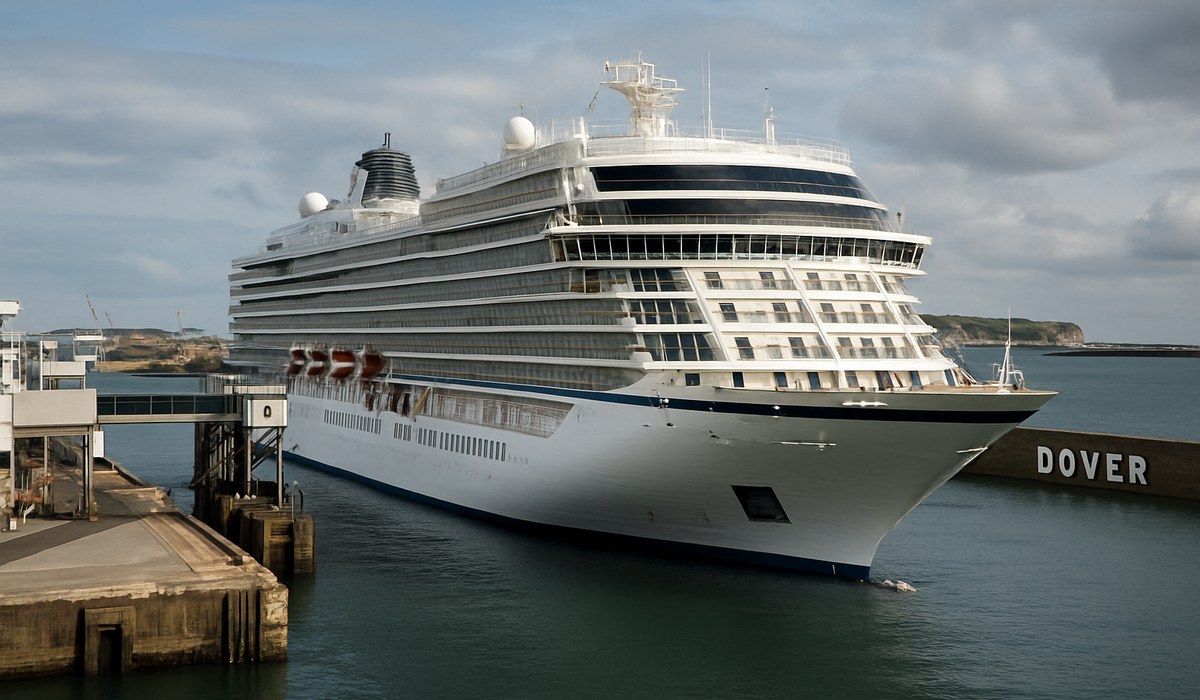
Image generated by AI
**> Quick Summary
• Viking Vela's arrival at Dover marks the UK port's official 2026 cruise season kickoff • The ship represents Britain's pivot toward capturing expedition cruise market share from Mediterranean competitors • Dover's terminal upgrades now position the UK as a viable alternative to traditional European cruise hubs • Travelers benefit from expanded UK-departure itineraries and simplified embarkation logistics**
When Viking Vela glided into the Port of Dover to launch the 2026 cruise season, it wasn't just another ship arrival—it marked the UK's strategic pivot to capture the lucrative expedition cruise market worth billions annually. The vessel's berthing signals Dover's transformation from a ferry-dominated facility into a serious contender for northern European cruise operations, challenging Barcelona, Southampton, and Copenhagen for passenger volumes.
Dover's operational readiness in March 2026 comes after years of infrastructure planning designed to accommodate larger expedition vessels. The port's upgrades enable simultaneous handling of multiple ships while maintaining rapid passenger processing—critical factors as cruise operators seek efficient European gateways.
Viking Vela's Dover Debut: What Makes This Arrival Significant
Viking Vela's selection of Dover as its season launch port reflects calculated industry shifts. The expedition-class ship, designed for intimate voyages with fewer than 1,000 passengers, represents a vessel category that has grown 43% in deployment since 2023, according to Cruise Lines International Association{:target="_blank" rel="noopener noreferrer"} market data. Dover's selection validates the port's technical capabilities for this specialized segment.
Unlike mass-market cruise terminals, expedition ship infrastructure demands closer-to-shore berthing, enhanced gangway systems, and streamlined customs processing. Dover Port Authority invested £14.7 million in terminal modifications specifically targeting these requirements between 2024 and early 2026. The investments include reinforced berth structures capable of handling ships up to 250 meters in length and specialized tender boat facilities for expedition itineraries featuring remote coastal destinations.
Viking Ocean Cruises' choice also demonstrates confidence in UK departure logistics. British passengers historically faced the inconvenience of flying to Mediterranean embarkation ports, adding costs and complexity. Dover's accessibility via motorway and rail networks eliminates this friction, potentially capturing an estimated 180,000 annual cruise passengers who previously departed from continental European ports.
The timing coincides with broader industry recovery patterns. Global cruise passenger volumes are projected to reach 36.7 million in 2026, surpassing 2019 levels by 7%, creating intensified competition among ports to secure operator commitments.
Port of Dover's Infrastructure Investment for Cruise Growth
Dover's transformation extends beyond single-ship accommodations. The port authority's £250 million multi-year capital program prioritizes cruise infrastructure alongside freight operations, aiming for a 300% increase in annual cruise calls by 2028.
Terminal 1's refurbishment added 12,000 square meters of passenger processing space equipped with biometric screening technology that reduces embarkation time to an average of 11 minutes per passenger—matching or exceeding efficiency metrics at major Mediterranean terminals. The facility now handles dual-ship operations, allowing simultaneous embarkation and disembarkation of vessels carrying up to 4,800 total passengers.
Water side improvements include upgraded fendering systems, shore power connections reducing ship emissions during port stay, and dredging operations ensuring adequate depth for vessels with drafts up to 8.5 meters. These technical enhancements position Dover to accommodate not just expedition ships but also mid-sized luxury vessels increasingly deployed on Northern European and Arctic itineraries.
Port CEO Doug Bannister stated in March 2026 that cruise operations now represent a strategic diversification pillar: "Our investments target the fastest-growing cruise segments—expedition and ultra-luxury—where per-passenger economic impact exceeds £175 compared to mass-market averages of £65." This economic calculus mirrors strategies employed by Norwegian and Icelandic ports that successfully transitioned toward higher-yield cruise traffic.
Local economic multipliers strengthen Dover's business case. Each cruise call generates approximately £140,000 in direct and indirect regional spending, covering provisioning, crew services, and passenger pre- or post-cruise accommodations. With 85 confirmed cruise calls scheduled for 2026—up from 27 in 2023—Dover projects £11.9 million in annual cruise-related economic activity.
How the UK Compares to European Cruise Hubs in 2026
Dover's cruise ambitions unfold against fierce continental competition. Southampton remains Britain's dominant cruise port with 380,000 passenger movements in 2025, leveraging established relationships with major operators and purpose-built terminals. However, Dover's strategic location offers distinct advantages: it's 95 kilometers closer to London than Southampton, reducing transfer times for international fly-cruise passengers, and provides superior access to Kent's tourism attractions for pre-cruise stays.
Barcelona, Europe's busiest cruise port with 3.2 million annual passengers, faces growing sustainability pressures. Local authorities imposed new emissions standards and per-ship passenger caps in 2025, creating capacity constraints. Seatrade Cruise industry analysis{:target="_blank" rel="noopener noreferrer"} suggests displaced Mediterranean capacity will migrate northward, benefiting UK ports with expansion capacity and less political resistance.
Copenhagen successfully transformed from minor cruise player to northern Europe's expedition hub through targeted infrastructure investments between 2018-2023. Dover is replicating this strategy, focusing on ship sizes and itinerary types underserved by Southampton's mass-market focus. The approach mirrors shifts observed in Southeast Asia's business travel value positioning, where destinations emphasize service quality and operational efficiency over volume metrics.
Norwegian ports—Bergen, Tromsø, and Longyearbyen—demonstrate the economic viability of expedition cruise specialization. Bergen's cruise sector generates €87 million annually despite handling just 330,000 passengers, achieving higher per-capita yields than volume-focused Mediterranean ports. Dover's strategy explicitly targets this model, positioning the UK as the optimal expedition departure point for Arctic Norway, Scottish Highlands, and Atlantic island itineraries.
French Atlantic ports including Le Havre and Brest expanded cruise facilities in 2024-2025, intensifying regional competition. However, Brexit-related customs advantages favor Dover for UK-resident passengers, eliminating EU entry procedures that add processing time at continental ports.
What This Means for Travelers: Itineraries and Booking Tips
Viking Vela's Dover season offers passengers unique itinerary configurations previously unavailable from UK ports. The ship's 2026 deployment includes 11- to 15-day voyages targeting Orkney and Shetland Islands, Norwegian fjords, Iceland circumnavigation, and Greenland expedition routes. These itineraries capitalize on lengthening Arctic navigation seasons—now extending to mid-October due to reduced sea ice—and growing demand for immersive cultural experiences over beach resort calls.
Passenger convenience improves dramatically with UK departures. British residents avoid international flight costs averaging £280-460 per person for Mediterranean positioning. Dover's rail connections enable seamless travel from London St Pancras (68 minutes), Manchester (4.5 hours), and Edinburgh (5.2 hours), eliminating airport hassles and baggage restrictions that complicate traditional fly-cruise arrangements.
Pricing structures reflect these operational advantages. Viking's Dover-departure expeditions are priced 8-12% lower than equivalent Mediterranean embarkations when factoring total trip costs including positioning flights and pre-cruise accommodations. A 12-day Norwegian fjords voyage from Dover starts at £3,995 per person, compared to £4,380 for the identical itinerary from Barcelona when including flight costs and overnight hotel requirements.
Early booking incentives parallel trends documented in the 2027 Club's global travel deal surge, where advance-purchase discounts reached 30% for 2027 departures. Viking offers 2027 Dover bookings at 2026 pricing—locked in at current rates—plus shipboard credits up to £450 per cabin for reservations confirmed before June 2026. This strategy reflects cruise lines' emphasis on advance inventory management and cash flow optimization.
Travelers should note Dover's operational differences from mega-ship terminals. The port's expedition focus means fewer onboard amenities compared to 5,000-passenger vessels, but higher crew-to-passenger ratios (approximately 1:2.8 on Viking Vela versus 1:3.5 on mass-market ships) and more destination-focused programming. Shore excursions emphasize naturalist-led experiences rather than shopping tours—a distinction attracting experienced cruisers seeking alternatives to Caribbean mass-market patterns.
Booking directly through Viking or UK-based cruise specialists like Bolsover Cruise Club often yields better pricing than online travel agencies for Dover departures, as these entities receive preferential inventory allocations for UK embarkations. Comparing total costs including parking (Dover offers £12/day secured cruise parking), transfers, and pre-cruise accommodation packages ensures accurate value assessment.
Flexibility provisions have improved post-pandemic. Viking's current cancellation terms allow full refunds up to 91 days prior to departure and 75% refunds between 90-61 days—more generous than industry-standard 120-day final payment deadlines with limited refund options. Travel insurance costs average £140-190 per person for comprehensive coverage including medical evacuation, which becomes essential for Arctic and sub-Arctic itineraries.
FAQ: Viking Vela and Port of Dover 2026 Season
How many cruise ships will Dover handle in 2026? Dover Port Authority confirmed 85 scheduled cruise ship calls for 2026, representing a 215% increase from 2023 levels. The port expects to handle approximately 190,000 passengers across expedition, luxury, and mid-sized vessel categories throughout the season running March through November.
What destinations does Viking Vela visit from Dover? Viking Vela's 2026 Dover itineraries focus on Northern European and Arctic routes including Norwegian fjords (Bergen, Geiranger, Tromsø), Scottish Highlands (Orkney, Shetland, Hebrides), Iceland circumnavigation, and Greenland expedition sailings. Voyage lengths range from 11 to 15 days, with most departures scheduled between May and September for optimal Arctic access.
Is Dover more convenient than Southampton for cruise departures? Dover offers location advantages for London-area and southeastern passengers, with faster rail connections from London (68 minutes versus 90 minutes to Southampton). However, Southampton provides more frequent departures and greater ship variety. Dover excels for expedition and luxury segments, while Southampton dominates mass-market and Caribbean repositioning voyages.
Can I compare Dover cruise costs to flying to Mediterranean ports? Total trip cost comparisons should include positioning flights (£280-460 per person), Mediterranean port transfers (£40-85), potential overnight hotel stays (£120-180), and baggage fees. Dover departures eliminate these expenses, typically resulting in £450-680 per couple savings even when base cruise fares are identical. This advantage mirrors value positioning seen in competitive Miami Beach's cultural tourism season offerings.
What cruise lines besides Viking use Dover in 2026? Saga Cruises, Fred. Olsen Cruise Lines, and Seabourn have confirmed Dover calls in 2026. Saga operates regular UK-focused itineraries, Fred. Olsen deploys smaller ships on European coastal routes, and Seabourn includes Dover in select Northern European luxury itineraries. Disney Cruise Line is evaluating Dover for potential 2027 Northern European deployments pending infrastructure assessments.
Related Articles:
Disclaimer
This article is for informational and educational purposes only. It does not constitute legal, financial, or professional advice. While we strive to provide accurate and up-to-date information, travel policies, regulations, and conditions change rapidly. Always verify information with official sources before making travel decisions. Nomad Lawyer makes no representations about the accuracy, reliability, completeness, or suitability of the information provided. Readers should consult qualified professionals for advice specific to their circumstances. The views expressed in this article are those of the author and do not necessarily reflect the views of Nomad Lawyer.
Preeti Gunjan
Contributor & Community Manager
A passionate traveller and community builder. Preeti helps grow the Nomad Lawyer community, fostering engagement and bringing the reader experience to life.
Learn more about our team →