
Cruise Guests Face €60 Fine for Taking Food From Buffets at Sea
Costa Cruises enforces strict new dining policy in 2026, penalizing passengers €60 for removing food from buffets to cabins. The measure targets onboard hygiene and pest prevention concerns.

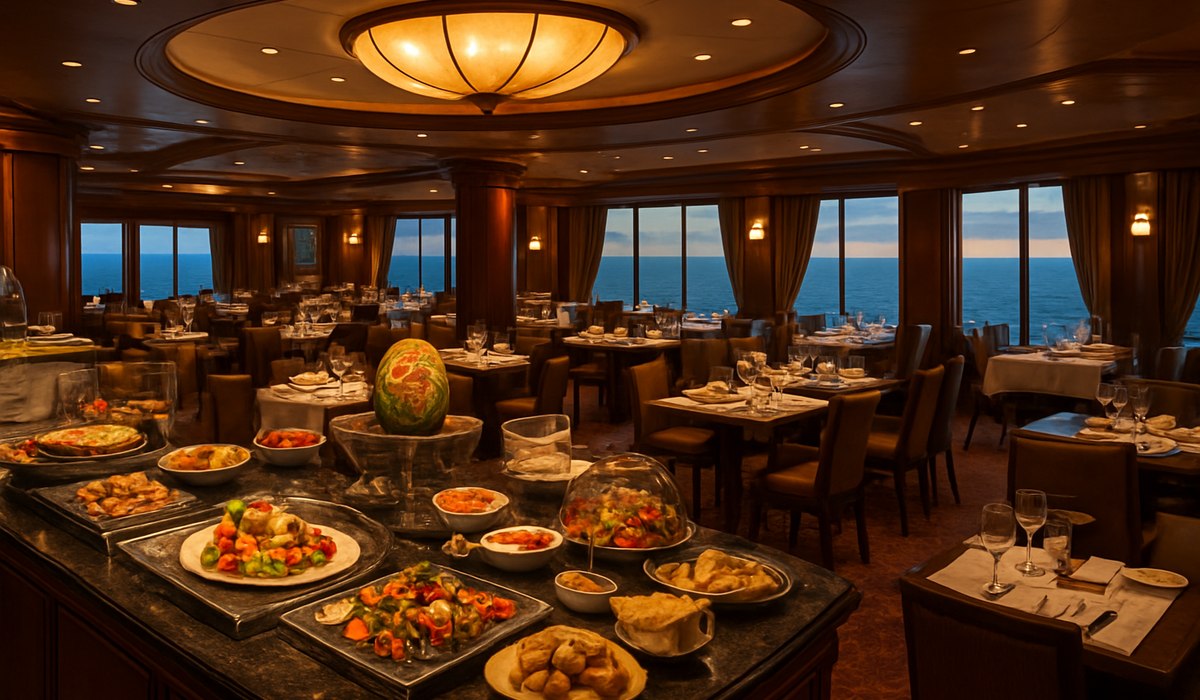
Image generated by AI
Cruise Guests Now Face Financial Penalties for In-Cabin Dining
Costa Cruises has implemented a significant policy shift affecting how passengers consume food onboard their fleet. Beginning in May 2026, guests dining on Costa vessels are prohibited from transporting meals from buffet areas and restaurants to their cabins, pool decks, or public spaces. Violations trigger a €60 (approximately $70 USD) cleaning fee. This enforcement marks the cruise industry's most stringent dining enforcement yet, targeting what the line characterizes as serious hygiene and sanitation concerns.
The Italian cruise operator issued a formal notice stating: "For reasons of health and hygiene, it is strictly forbidden to take food from the buffet areas and restaurants for consumption in the public areas of the ship, the pool zones, in cabins, or in other interior areas." According to Costa Cruises' official announcement, non-compliance results in mandatory cleaning operation charges.
Costa Cruises Cracks Down on Food Removal
Costa Cruises points to escalating cleanliness challenges across its fleet as justification for the controversial new rule. The line argues that cruise guests face growing pressure to maintain sanitary conditions when passengers leave food remnants, soiled dishes, and organic waste in cabins and common areas. Pest prevention and food contamination mitigation constitute primary concerns driving this policy revision.
The cruise line emphasizes that this regulation specifically addresses dining behavior patterns observed across its Mediterranean and Caribbean itineraries. While Costa Cruises maintains strong CDC Vessel Sanitation Program scores for its US-flagged vessels, leadership determined preventive measures were necessary. The €60 fine structure creates measurable financial consequence for policy violations, establishing clear deterrence mechanisms.
Interestingly, no other major cruise operator currently enforces such comprehensive restrictions, making Costa's approach distinctive within the industry. Cruise Critic reports that guest boarding practices and onboard conduct have evolved considerably post-pandemic, with cleanliness emerging as heightened passenger concern across all cruise lines.
Health and Hygiene Concerns Drive New Policy
Costa Cruises identifies multiple health rationales supporting the food removal prohibition. Unattended food in cabins creates ideal conditions for bacterial growth, pest attraction, and cross-contamination scenarios. Extended exposure of perishable items outside climate-controlled dining environments accelerates spoilage and foodborne illness risk.
The cruise line's official position emphasizes that crew-controlled food delivery through trained personnel ensures proper hygiene-sanitary protocols. Room service staff receive specialized training on temperature maintenance, food handling procedures, and sanitary transport methods that individual passengers cannot replicate when transporting buffet items.
Additionally, leaving meals unattended in public spaces violates basic maritime food safety standards. Costa's policy aligns with international maritime health codes and ship classification society requirements. The measure protects vulnerable populations—elderly passengers, immunocompromised travelers, and families with young children—from foodborne pathogen exposure.
Room Service Restrictions and Premium Cabin Exceptions
Room service availability continues aboard Costa vessels, though access patterns have shifted substantially. Suite and premium cabin occupants retain complimentary 24-hour room service as part of their stateroom packages. Standard cabin passengers must purchase room service separately, with pricing determined by meal selection and cabin category.
Critically, only Costa-trained room service staff may deliver and retrieve meals from cabins. Passengers cannot supplement buffet items with purchased room service—the policy explicitly prohibits hybrid approaches combining self-service and in-cabin dining. This contrasts sharply with competitors like Carnival Cruise Line, where passengers freely access buffet food and maintain discretionary in-cabin dining flexibility.
The restriction creates practical dining challenges during peak hours. When buffet areas reach capacity, standard cabin passengers face limited alternatives. Guests with dietary restrictions, medical conditions requiring specific meal timing, or mobility limitations experience particular hardship under these constraints. The policy effectively commodifies what previous passengers considered standard cruise amenities—flexible, guest-controlled meal access.
Guest Reactions and Workarounds
Passenger response has proven decidedly mixed since Costa announced this policy shift. Some cruise guests support the measure, viewing it as overdue enforcement addressing problematic onboard behavior. These passengers report witnessing abandoned dishes, scattered food remnants, and pest activity linked to undisciplined dining practices.
However, substantial opposition emerged from cost-conscious travelers and guests with accessibility needs. Critics argue that €60 penalties amount to hidden charges on an already-expensive vacation. They question why cruise lines shouldn't maintain 24/7 buffet operations (as MSC does) rather than forcing expensive room service purchases.
Guests with specific dietary requirements—allergies, religious observance, medical nutrition needs—express particular frustration. The policy eliminates their workaround of supplementing limited buffet options with controlled in-cabin meal preparation or storage.
Notably, other Carnival Corporation brands including Carnival Cruise Line, Princess Cruises, and Holland America Line maintain more flexible dining policies. This inconsistency suggests Costa's approach may not represent industry consensus. Some analysts speculate Carnival Corporation could eventually expand similar policies across its portfolio if Costa's enforcement proves operationally successful.
Costa Cruises Policy Details: Key Facts
| Policy Element | Details |
|---|---|
| Fine Amount | €60 ($70 USD equivalent) |
| Prohibited Actions | Removing food from buffets/restaurants to cabins, public areas, pool decks |
| Room Service Availability | 24-hour service; complimentary for suites/premium cabins only |
| Service Requirements | Trained staff only for cabin meal delivery/retrieval |
| Exceptions | Premium suite occupants retain complimentary room service access |
| Implementation Date | May 2026 across Costa fleet |
| Enforcement Method | Automatic €60 charge to guest account for violations |
What This Means for Travelers
Costa Cruises guests should understand how this policy impacts practical vacation planning:
-
Budget appropriately – If you prefer in-cabin dining flexibility, factor room service charges into total cruise costs. Standard cabin room service carries supplementary fees beyond base ticket price.
-
Arrive early to meals – Visit buffets during off-peak hours to secure seating. Peak dining windows (7-9 PM dinner service, 12-1 PM lunch) create bottlenecks without alternatives.
-
Disclose dietary needs – Guests with allergies, religious requirements, or medical nutrition conditions should notify Costa at booking. Room service exceptions may apply for documented medical needs.
-
Consider cabin category – Premium suite cabins ($400-800+ nightly) include complimentary room service, offset against higher base fares. Calculate whether suite upgrade pricing justifies included dining flexibility.
-
Know your alternatives – Research competitor cruise lines (Carnival, Princess, MSC) if flexible dining constitutes a vacation priority. These operators maintain traditional policies permitting buffet-to-cabin food transport.
Frequently Asked Questions
Q: Does the €60 fine apply to all food removal, including snacks?
The policy prohibits transporting any food items from designated dining venues. This includes small snacks, fruits, pastries, and beverages. The €60 charge applies uniformly regardless of item quantity or type removed.
Q: Are suite guests exempt from this policy?
Premium suite and deluxe cabin occupants retain complimentary room service access, eliminating practical incentive to transport buffet food. However, the prohibition technically applies universally—even suite guests shouldn't remove buffet items given their service inclusion.
Q: What happens if I violate this policy?
Costa crew members observe dining areas and monitor cabin food violations. Upon discovery, crew issues formal warning and charges €60 to your onboard account. Repeated violations may trigger additional fees or disciplinary action.
Q: Will other cruise lines adopt similar policies?
As of May 2026, only Costa Cruises enforces this comprehensive restriction. Carnival Corporation hasn
Disclaimer
This article is for informational and educational purposes only. It does not constitute legal, financial, or professional advice. While we strive to provide accurate and up-to-date information, travel policies, regulations, and conditions change rapidly. Always verify information with official sources before making travel decisions. Nomad Lawyer makes no representations about the accuracy, reliability, completeness, or suitability of the information provided. Readers should consult qualified professionals for advice specific to their circumstances. The views expressed in this article are those of the author and do not necessarily reflect the views of Nomad Lawyer.
Kunal K Choudhary
Co-Founder & Contributor
A passionate traveller and tech enthusiast. Kunal contributes to the vision and growth of Nomad Lawyer, bringing fresh perspectives and driving the community forward.
Learn more about our team →