
Coworking Spaces and Remote Work Infrastructure in Thailand
Thailand has emerged as a significant hub for remote workers in Asia. Here is an assessment of its coworking landscape and digital infrastructure.

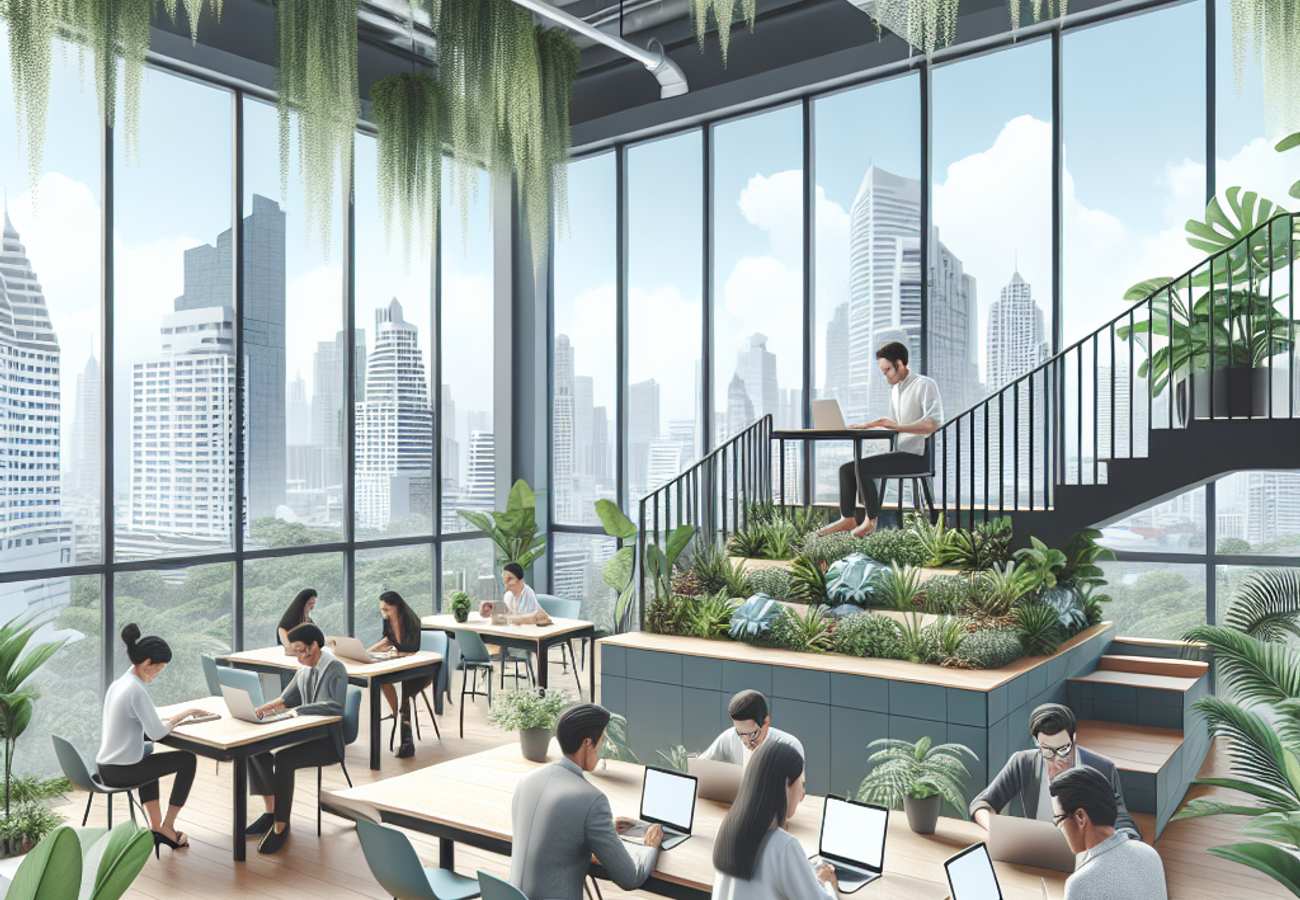
Image generated by AI
Thailand has firmly established itself as a premier destination for digital nomads in Asia. Driven by an affordable cost of living, vibrant culture, and rapidly improving digital infrastructure, thousands of remote professionals relocate here annually.
For professionals evaluating a medium to long-term relocation, the adequacy, reliability, and geographic distribution of coworking options are central to determining whether day-to-day work can be sustained. Here is an assessment of Thailand's practical remote work infrastructure.
Internet Connectivity: Fast and Reliable
Thailand’s digital infrastructure has evolved significantly. The country now boasts some of the fastest fixed-line broadband speeds globally.
- Urban Centers: In cities like Bangkok, Chiang Mai, and Phuket, gigabit fiber-optic connections are standard in high-rise condos and coworking spaces.
- Mobile Networks: Thailand’s 5G rollout has been aggressive and widespread. Mobile data is incredibly cheap and reliable, making tethering a viable primary or backup option for digital nomads.
- Rural Areas: While speeds drop outside major hubs, 4G coverage remains comprehensive across the vast majority of the country.
Bangkok: The Corporate and Tech Hub
Bangkok offers the most mature coworking market in the country, catering to a mix of freelance nomads, tech startups, and distributed corporate teams.
- Infrastructure: Spaces here rival those in London or New York. You will find high-end ergonomic furniture, soundproofed Zoom booths, dedicated leased-line internet, and extensive networking events.
- Key Operators: Global brands like WeWork and True Digital Park dominate the premium segment, while localized brands like The Hive and Hubba offer community-focused alternatives.
- Vibe: Bangkok's spaces are generally more formal and business-oriented compared to the rest of the country.
Chiang Mai: The Original Nomad Capital
Chiang Mai in northern Thailand is widely considered one of the original digital nomad capitals of the world. Its infrastructure is uniquely tailored to location-independent entrepreneurs.
- Infrastructure: Coworking spaces here are deeply embedded in the local nomad community. They are highly affordable and designed for collaboration and networking.
- Key Operators: Punspace (with multiple locations) and Yellow Coworking are legendary institutions in the nomad community.
- Vibe: Highly relaxed, entrepreneurial, and community-driven. However, nomads must be aware of the "Burning Season" (typically February to April), where severe air pollution often forces remote workers to temporarily relocate to the south.
The Islands: Phuket and Koh Phangan
For those seeking a tropical lifestyle, Thailand’s southern islands have rapidly developed their remote work infrastructure.
- Phuket: Offers a blend of luxury resorts and dedicated coworking spaces (like HOMA). The infrastructure here is robust enough to support serious professional work.
- Koh Phangan: Once known purely for Full Moon Parties, it has pivoted hard into a digital nomad and wellness hub. Spaces like La Casa Tropicana offer fiber internet right on the beach, though power outages can occasionally occur during severe tropical storms.
Summary
Thailand offers a highly diverse remote work ecosystem. Whether you need a corporate boardroom in a Bangkok skyscraper or a beachfront desk in Koh Phangan, the country's infrastructure is more than capable of supporting modern distributed workflows.
Disclaimer
This article is for informational and educational purposes only. It does not constitute legal, financial, or professional advice. While we strive to provide accurate and up-to-date information, travel policies, regulations, and conditions change rapidly. Always verify information with official sources before making travel decisions. Nomad Lawyer makes no representations about the accuracy, reliability, completeness, or suitability of the information provided. Readers should consult qualified professionals for advice specific to their circumstances. The views expressed in this article are those of the author and do not necessarily reflect the views of Nomad Lawyer.
Kunal K Choudhary
Co-Founder & Contributor
A passionate traveller and tech enthusiast. Kunal contributes to the vision and growth of Nomad Lawyer, bringing fresh perspectives and driving the community forward.
Learn more about our team →