
Costa Rica and Panama Caribbean Cruise Routes: Limón and Colón Guide 2028
Margaritaville at Sea expands its 2028 fleet deployment across 25 destinations, adding Limón in Costa Rica and Colón in Panama from Port Tampa Bay.

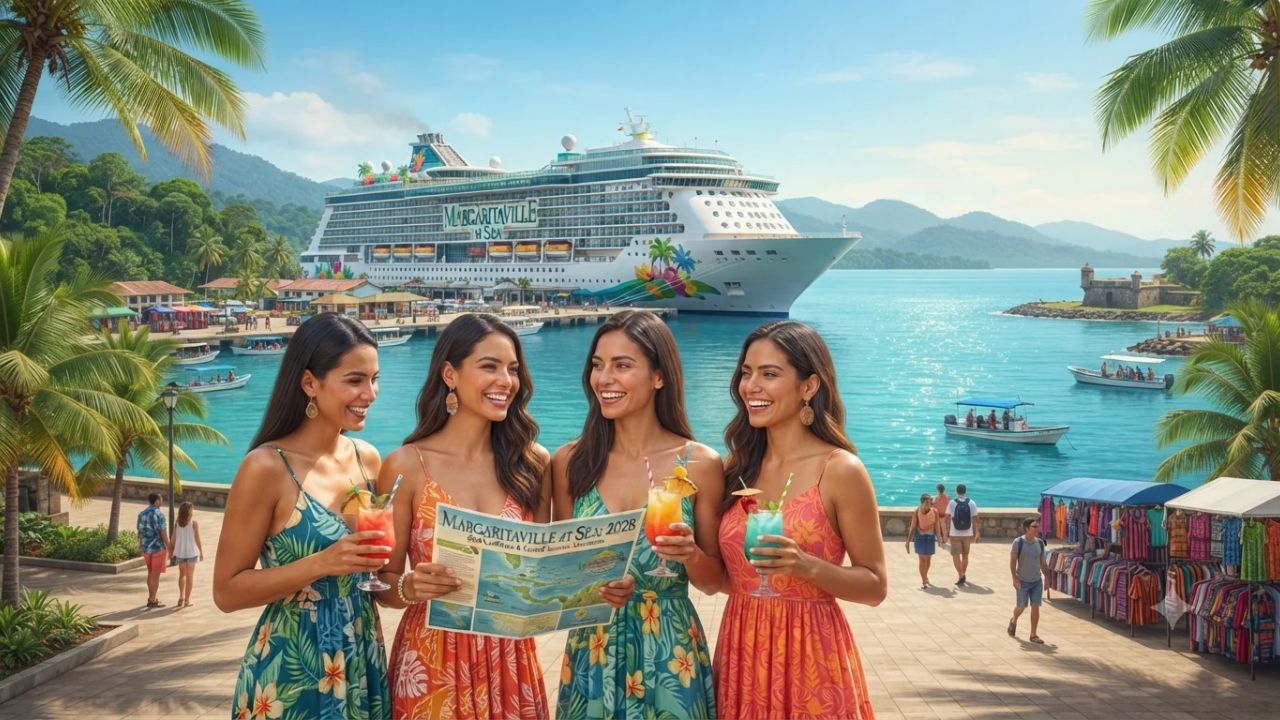
Rather than confining cruise passengers to closed beach resorts, the addition of Puerto Limón in Costa Rica and Colón in Panama opens direct maritime access to primary lowland rainforests and century-old Caribbean fortifications. With Margaritaville at Sea expanding its 2028 deployment to encompass 25 international destinations, long-haul voyages out of Port Tampa Bay on the Margaritaville at Sea Islander are shifting the traditional Western Caribbean cruise model toward rich ecological immersion and Afro-Caribbean cultural exploration.
Central American Maritime Expansion and New 2028 Itineraries
The cruise sector across the Western Caribbean and Gulf of Mexico is recalibrating toward multi-nation itineraries that combine wildlife reserves, historic canal engineering, and regional heritage. Operating voyages between 4 and 10 nights from Tampa, the Margaritaville at Sea Islander introduces direct calls into Puerto Limón on Costa Rica’s Caribbean coastline and Colón on Panama’s Atlantic seaboard.
Simultaneously, the cruise line's deployment of the Margaritaville at Sea Beachcomber introduces 4- to 9-night sailings from Galveston and Miami, incorporating Mexican Gulf ports like Progreso and Veracruz alongside Cozumel. The expanded 2028 schedule also highlights dedicated ABC Island circuits—connecting Aruba, Bonaire, and Curaçao in a single voyage—and a seasonal autumn sailing featuring an overnight port call in New Orleans followed by archaeological excursions across Yucatán via Progreso.
According to development data from the Instituto Costarricense de Turismo, cruise calls along the Caribbean coast represent an essential socioeconomic engine for local transport unions, artisanal cooperatives, and independent nature excursion leaders.
| Cruise Route & Vessel | Homeport | Itinerary Duration | Featured Ports of Call | Target Travel Experience |
|---|---|---|---|---|
| Islander Central American Circuit | Port Tampa Bay, Florida | 7 to 10 nights | Puerto Limón, Colón, Grand Cayman | Rainforest reserves, Canal locks, coral reefs |
| Islander Southern Caribbean | Port Tampa Bay, Florida | 8 to 10 nights | Aruba, Bonaire, Curaçao (ABC Islands) | Marine diving, colonial architecture, arid coastlines |
| Beachcomber Western Gulf | Galveston, Texas | 4 to 9 nights | Cozumel, Progreso, Veracruz | Maya archaeological ruins, Mexican maritime history |
| Seasonal Autumn Voyage | Port Tampa Bay, Florida | 6 to 8 nights | New Orleans (Overnight), Progreso | Live jazz heritage, Creole cuisine, Yucatán cenotes |
What Makes the Caribbean Ports of Limón and Colón Different
While Pacific ports in Central America often cater to dry-forest excursions and mega-marinas, the Caribbean gateways of Limón and Colón preserve distinct cultural rhythms shaped by 19th-century Jamaican and Antillean migrations.
In Puerto Limón, the town’s Victorian gingerbread architecture and lively central markets reflect a deep Afro-Costa Rican identity. The regional food culture is defined by rice and beans cooked in fresh coconut milk with fiery habanero panamanian peppers, savory Jamaican-style patties, and slow-cooked rondon fish soup. A short drive south leads to coastal villages like Cahuita and Puerto Viejo, where reggae rhythms blend with protected coral reef systems and coastal rainforests where three-toed sloths and keel-billed toucans feed in the canopy.
Across the border in Panama, Colón provides immediate passage to two world-defining engineering and historical marvels. Travelers can observe neo-Panamax container vessels transiting the massive Agua Clara Locks on the Atlantic side of the Panama Canal, or explore the ruins of Portobelo and Fort San Lorenzo. Classified by the UNESCO World Heritage Centre, these 17th- and 18th-century Spanish coastal forts overlook the mouth of the Chagres River, surrounded by the untouched tropical wilderness of San Lorenzo National Park.
Visitor Insider Tips
To maximize your shore excursions in Limón, Colón, and the wider Western Caribbean, consider these practical recommendations:
- Pre-Cruise Logistics in Tampa: Port Tampa Bay is located adjacent to the historic Ybor City district. Arrive 24 hours before embarkation to ride the free TECO Line Streetcar, sample authentic Cuban sandwiches at local bakeries, and avoid flight delay stress.
- Booking Nature Excursions in Limón: Skip standard bus tours and hire licensed local nature guides to explore Cahuita National Park or the Tortuguero canal network. The best wildlife spotting occurs between 8:00 AM and 10:30 AM when howler monkeys and poison dart frogs are most active.
- Panama Canal Viewing Strategy: At the Agua Clara Locks visitor center in Colón, head to the elevated observation deck before 11:00 AM to catch the scheduled morning convoy of deep-draft cargo carriers navigating the freshwater Gatun Lake approach.
- Currency and Payment Realities: US Dollars are the official currency in Panama and are universally accepted throughout Costa Rican tourist zones alongside the Costa Rican Colón (CRC). Carry small, clean $1, $5, and $10 bills for fruit stands and indigenous craft vendors.
- Rain Gear is Essential: The Caribbean slopes of Costa Rica and Panama experience sudden tropical downpours year-round. Pack a lightweight waterproof dry bag for camera equipment, water-resistant trail shoes, and reef-safe sunscreen for snorkeling excursions.
Cultural and Environmental Context
The influx of cruise tourism into the Caribbean basins of Costa Rica and Panama presents both economic opportunities and conservation imperatives. The Caribbean coast of Central America contains sensitive mangrove estuaries, sea turtle nesting beaches in Parismina and Tortuguero, and primary rainforest corridors that form the Mesoamerican Biological Corridor.
In Colón, tourism authorities working with the Panama Tourism Authority are actively promoting community-led ecotourism along the Pipeline Trail in Soberanía National Park—one of the world's most famous birdwatching corridors, where over 400 avian species have been recorded. Revenue from national park admissions directly funds park ranger patrols and anti-poaching initiatives across the Chagres River basin.
In Limón, cultural preservation societies emphasize the revitalization of Limonese Creole language (mekatelyu) and traditional cacao agroforestry. Sustainable farm cooperatives invite cruise travelers to see how heirloom cacao is cultivated beneath native shade trees, providing rural farming families with fair wages while protecting the forest floor from industrial monoculture.
FAQ: Caribbean and Central America Cruise Travel
What is the best month to cruise to Costa Rica and Panama?
February through April and September through October provide the lowest rainfall along the Caribbean coast, offering calm seas and optimal hiking conditions in national parks.
Do cruise passengers need separate visas for day stops in Limón and Colón?
Passengers holding valid passports from North America, the UK, and the EU do not need advance visas for standard port-of-call transit days managed by the cruise line.
How far is the Panama Canal from the cruise pier in Colón?
The Agua Clara Locks are approximately a 20-minute drive from the Colón cruise terminal, while the historic Panama Railroad provides direct transit across the isthmus to Pacific locks.
Can you see sloths and monkeys during a standard port stop in Limón?
Yes, half-day excursions to Cahuita National Park, the Veragua Rainforest, or the Tortuguero canals reliably offer sightings of sloths, monkeys, and tropical bird species.
Between the thundering waters of the Panama Canal and the wildlife-rich rainforest canopies of Limón, Central America’s Caribbean coastline delivers unforgettable wild encounters at every port of call.
Related Travel Guides
Disclaimer
This article is for informational and educational purposes only. It does not constitute legal, financial, or professional advice. While we strive to provide accurate and up-to-date information, travel policies, regulations, and conditions change rapidly. Always verify information with official sources before making travel decisions. Nomad Lawyer makes no representations about the accuracy, reliability, completeness, or suitability of the information provided. Readers should consult qualified professionals for advice specific to their circumstances. The views expressed in this article are those of the author and do not necessarily reflect the views of Nomad Lawyer.
Preeti Gunjan
Contributor & Community Manager
A passionate traveller and community builder. Preeti helps grow the Nomad Lawyer community, fostering engagement and bringing the reader experience to life.
Learn more about our team →