
Flight Attendants Reveal the Most Shocking Passenger Behavior at 30,000 Feet—And It's Getting Worse
Breaking airline news and aviation industry updates for 2026.

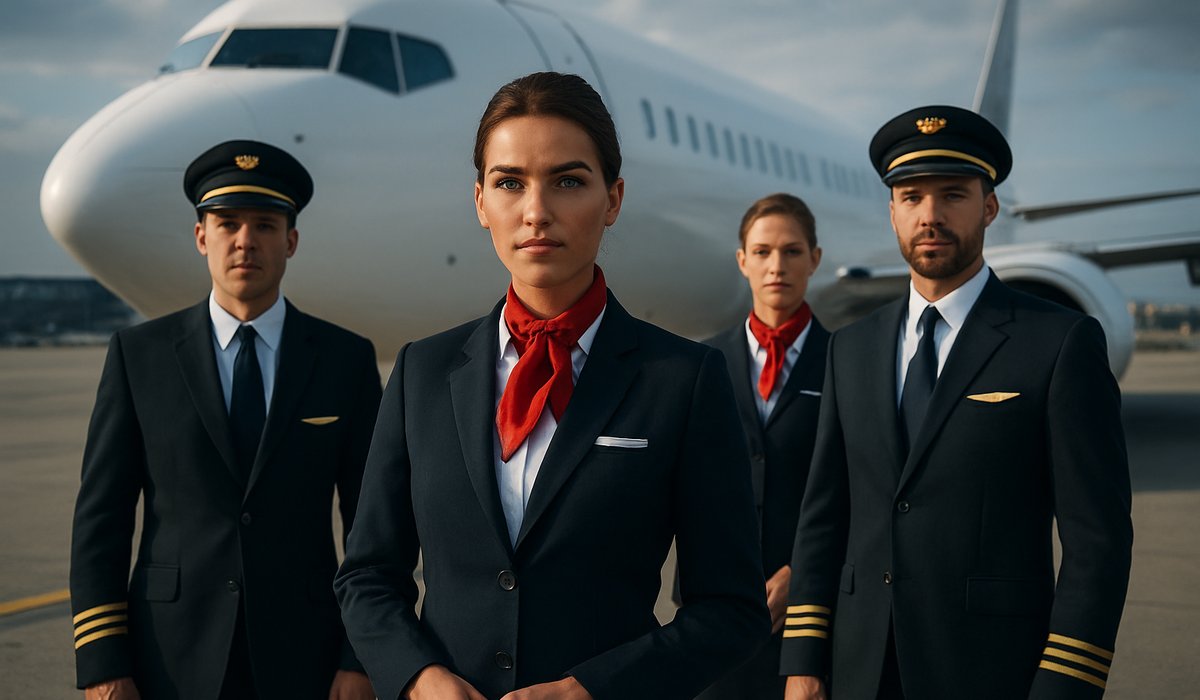
Image generated by AI
Flight Attendants Reveal the Most Shocking Passenger Behavior at 30,000 Feet—And It's Getting Worse
Aviation workers break silence on unruly passengers, safety breaches, and the mounting pressure of modern air travel
Cabin Crew Navigate Unprecedented Challenges in High-Altitude Work Environment
Flight attendants worldwide are increasingly vocal about the chaotic and sometimes dangerous situations they encounter during routine flights, exposing a growing crisis in passenger behavior that threatens both safety and workforce morale across the aviation industry.
Working in one of aviation's most demanding roles, cabin crew members regularly confront a troubling spectrum of passenger misconduct—ranging from aggressive outbursts and hygiene violations to bizarre requests and controversial "emotional support animals" that complicate flight operations. Industry insiders now acknowledge that what was once considered exceptional in-flight incidents has become disturbingly routine.
The Reality Behind Closed Cabin Doors
Flight attendants, trained extensively in safety protocols and de-escalation techniques, describe an escalating pattern of disruptive behavior that extends far beyond typical passenger complaints. From passengers attempting to open emergency exits during flight to public intoxication and verbal abuse directed at crew members, these professionals operate under conditions that few ground-based workers could endure.
The phenomenon reflects broader tensions in modern aviation. Post-pandemic travel surges have compressed already-strained airline operations, while reduced crew staffing levels mean fewer personnel to manage increasingly unpredictable passenger conduct. Budget airline models and competitive pricing pressures have also reshaped passenger demographics, introducing new demographic groups with varying travel experience and behavioral expectations.
Unusual Requests and Safety Gray Areas
Among the most perplexing challenges cabin crew face are unconventional passenger requests involving pets and emotional support animals. Airlines have struggled to establish consistent policies distinguishing legitimate service animals from pets disguised under therapeutic pretenses—creating operational headaches and passenger conflicts at 30,000 feet.
Beyond animal-related incidents, flight attendants report unusual demands for special accommodations, inappropriate use of aircraft facilities, and hygiene concerns that border on hazardous. These situations demand immediate, professional responses while maintaining passenger safety and aircraft integrity.
Pressure Points for Aviation Workers
The cumulative effect of these incidents has sparked serious conversations about crew welfare within the aviation industry. Labor organizations and airline unions increasingly highlight the psychological toll of managing chaotic situations in confined spaces, arguing that current staffing models and compensation structures fail to reflect the genuine demands of the role.
Airlines have begun implementing stricter passenger conduct policies and investing in crew training programs, yet experts contend these measures fall short of addressing systemic issues rooted in industry economics and post-pandemic travel volatility.
FAQ: Understanding Modern Flight Attendant Challenges
Q: Why has passenger misbehavior on flights increased in recent years? A: Post-pandemic travel surges, reduced airline staffing, budget-carrier expansion, and social tensions have collectively contributed to higher incident rates across the industry.
Q: What authority do flight attendants have to manage unruly passengers? A: Cabin crew hold federal authority to enforce safety regulations and airline policies, with power to deny boarding or divert flights in serious cases, though enforcement remains inconsistent.
Q: How do airlines define emotional support animals versus service animals? A: Airlines distinguish legitimate psychiatric service animals (which require documentation) from emotional support animals, though definitions vary by carrier and remain a source of operational friction.
Q: What training do flight attendants receive for managing disruptive situations? A: Most airlines provide de-escalation training, conflict resolution workshops, and safety protocols, though critics argue programs are insufficient for current behavioral demands.
Q: Are flight attendants adequately compensated for safety and behavioral management responsibilities? A: Industry advocates argue current compensation structures undervalue the psychological demands of crew roles, sparking ongoing labor negotiations across major carriers.
Related Travel Guides
Flight Delay Compensation Guide 2026
Understanding Airline Route Changes
Airport Security Process Updated (2026)
External Resources
Disclaimer
This article is for informational and educational purposes only. It does not constitute legal, financial, or professional advice. While we strive to provide accurate and up-to-date information, travel policies, regulations, and conditions change rapidly. Always verify information with official sources before making travel decisions. Nomad Lawyer makes no representations about the accuracy, reliability, completeness, or suitability of the information provided. Readers should consult qualified professionals for advice specific to their circumstances. The views expressed in this article are those of the author and do not necessarily reflect the views of Nomad Lawyer.
Kunal K Choudhary
Co-Founder & Contributor
A passionate traveller and tech enthusiast. Kunal contributes to the vision and growth of Nomad Lawyer, bringing fresh perspectives and driving the community forward.
Learn more about our team →