
Claim Flight Delay Compensation With Confidence: Regional Rules 2026
Flight delays trigger different compensation rights across regions in 2026. EU, UK, Canada, and US rules vary significantly—learn your jurisdiction's framework to secure financial recovery for travel disruptions.

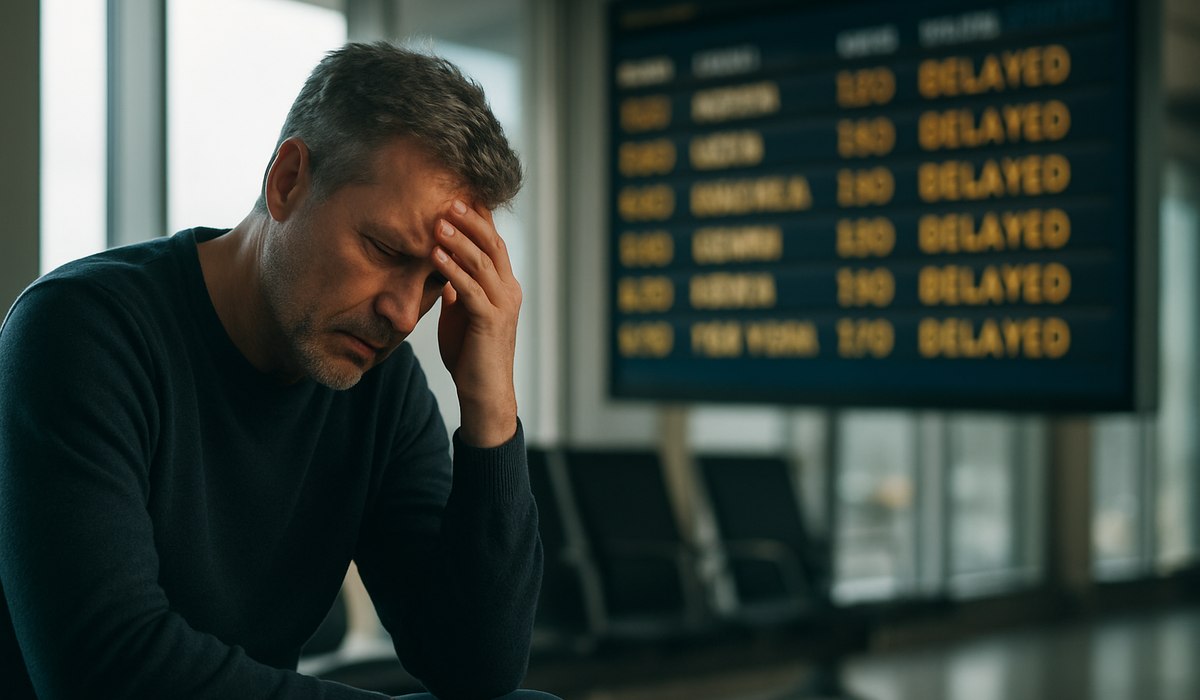
Image generated by AI
Understanding Your Right to Claim Flight Delay Compensation
Flight delays remain endemic across global aviation networks in 2026, but your entitlement to financial compensation hinges entirely on which region you're traveling through and which airline operates your flight. Summer thunderstorms, crew shortages, mechanical failures, and cascading schedule disruptions now occur routinely—yet passenger protections vary dramatically by jurisdiction. Understanding these regional frameworks before you fly transforms a frustrating delay from an unpaid loss into a manageable claim opportunity.
The critical insight: compensation rules are not globally uniform. Your right to claim flight delay benefits depends on departure/arrival locations, airline nationality, and the delay's root cause. This guide breaks down compensation eligibility across the world's major aviation markets and outlines actionable steps to secure your recovery.
Compensation Rules Vary by Region: EU, UK, Canada, and US
European Union and UK frameworks provide the most passenger-favorable compensation models globally. Under EU Regulation 261/2004, passengers arriving more than three hours late at their final destination qualify for fixed-sum compensation ranging from €250 to €600, depending on flight distance. The UK maintained near-identical protections post-Brexit through UK261 regulations, with amounts expressed in GBP rather than EUR.
Both systems compensate passengers only when delays result from airline-controlled factors—not "extraordinary circumstances" like severe weather or air traffic control decisions. However, even extraordinary delays trigger mandatory care provisions: meals, refreshments, hotel accommodation, and communication assistance once delays exceed specific thresholds.
Canadian Air Passenger Protection Regulations establish compensation bands tied to delay length and airline size. Carriers operating 40+ aircraft pay higher compensation amounts than smaller operators. Delays of 3-6 hours trigger initial compensation; 6-9 hour delays increase payouts; delays exceeding 9 hours generate maximum entitlements. Critically, Canadian law mandates care and rebooking assistance regardless of delay cause, distinguishing it from purely airline-fault-based systems.
United States regulations remain notably restrictive. No statutory cash compensation exists for routine flight delays—even extended ones. However, updated Department of Transportation rules require airlines to provide cash refunds when flights are cancelled or significantly modified, provided passengers decline rebooking. Tarmac delay rules cap how long aircraft can remain parked with passengers aboard, requiring food/water provision after specific periods, though these generate no automatic compensation.
Knowing which jurisdiction governs your flight—determined by departure airport location and airline operating country—is foundational to claim success.
EU Regulation 261/2004 and UK261: What Qualifies for Payment
Eligibility hinges on three factors: distance, delay duration, and causation. EU/UK rules distinguish between flights under 1,500km (€250 compensation), 1,500-3,500km (€400), and over 3,500km (€600). The three-hour arrival delay threshold applies universally; landing late due to airline factors triggers entitlement.
Critical definition: "arrival delay" measures time gap between scheduled and actual arrival at your final destination—not intermediate stops. A connection delay caused by a late inbound flight on a single booking qualifies if the overall journey arrives 3+ hours behind schedule.
Extraordinary circumstances exemptions include severe weather, air traffic control restrictions, security threats, and unforeseen technical defects. Airlines must prove these factors made delay unavoidable despite reasonable preventative measures. Crew fatigue, staff shortage, and routine maintenance typically don't qualify as extraordinary—placing financial burden on carriers.
Care entitlements activate immediately once delays exceed specified hours (typically 2 hours for EU flights). Airlines must provide meals proportionate to waiting time, hotel accommodation if overnight stay becomes necessary, transportation between airport/accommodation, and communication assistance (phone calls, emails).
Passengers can also claim reimbursement for reasonable out-of-pocket expenses incurred due to delay—but documentation via receipts is mandatory. Airlines often dispute claims lacking itemized proof.
Canada and US: Different Standards for Delay Compensation
Canada's tiered approach creates more predictable compensation across different delay scenarios. A 3-hour delay on a large carrier generates roughly CAD $400-500 compensation; 6-hour delays exceed CAD $800; 9+ hour delays reach CAD $2,400. These amounts apply regardless of delay cause for most situations—representing fundamentally passenger-protective legislation.
The 2024-2025 period saw Canadian government consultations on strengthening these protections further, with proposals to expedite claims processing and expand coverage for additional passenger expenses. Current regulations already mandate airline rebooking, meal provision, and accommodation without requiring passenger proof of extraordinary circumstances.
US standards remain delay-agnostic regarding compensation. The 2023 DOT enforcement activities focused on refund eligibility rather than delay compensation. Cancellations and material flight changes (schedule shift exceeding 3 hours) trigger refund rights; passengers choosing not to rebook receive full ticket refunds regardless of reason.
However, tarmac delay regulations establish different rules. Domestic flights cannot remain tarmac-parked longer than 3 hours; international flights, 4 hours. Exceeding these limits without passenger deplaning requires food/water provision and lavatory accessibility. However, these regulations prevent entrapment—they don't compensate for delays themselves.
US passengers typically pursue compensation through airline customer service departments citing service failures, rather than statutory rights. Class-action lawsuits against major carriers occasionally succeed where individual claims fail.
How to Determine If Your Delay Meets the Legal Threshold
Step one: identify your flight's governing jurisdiction. EU/UK rules apply to flights departing from these regions on any carrier, plus flights arriving in these regions on EU/UK carriers. Check your ticket; airline operating country and departure airport location determine applicable law.
Step two: measure the actual arrival delay. Download your boarding pass and check FlightAware for recorded landing time versus published schedule. Record the time gap at your final destination, not intermediate stops. Three hours is the universal minimum threshold; anything less typically generates no statutory compensation.
Step three: evaluate delay causation. Extraordinary circumstances exclude most liability. However, the burden of proof rests on airlines. Crew scheduling issues, mechanical problems discovered pre-flight, and supply chain failures typically represent airline responsibility. Volcanic ash, military conflicts, and unexpected severe weather favor airlines.
Step four: calculate compensation eligibility. Use your region's compensation framework (EU/UK fixed amounts, Canadian tiered bands, US refund-only approach) to estimate your entitlement. Consider care expenses separately—accommodation, meals, transportation—as these constitute reimbursable costs beyond statutory compensation.
Step five: gather supporting documentation before contacting the airline. Screenshots, booking confirmations, boarding passes, receipts, and timestamped photos of departure boards create powerful evidence. Time stamps proving when delays were announced versus when you finally departed matter significantly.
Traveler Action Checklist
1. Before Your Flight Document your airline, flight number, scheduled departure/arrival times, distance, and ticket booking confirmation. Verify which jurisdiction governs your flight based on departure airport and airline operating country.
2. Once Delay Becomes Apparent Screenshot airline notifications, photograph departure board displays, and note exact times delays were announced. Photograph any written explanations provided by airline staff or displayed at gates.
3. During the Delay Request written explanation of delay cause from airline staff. Collect receipts for all out-of-pocket expenses: meals, accommodation, ground transportation, and communications. Note times of any schedule changes and actual departure.
4. Upon Arrival Record actual landing time and document any missed connections. Save all boarding passes, itineraries, and booking records digitally until claim resolution.
5. Filing Your Claim Contact airline customer service within timeframes specified by your jurisdiction (typically 6 months for EU/UK, 2 years for Canada). Submit claim with documentation package: booking confirmation, boarding passes, receipts, and photos/
Disclaimer
This article is for informational and educational purposes only. It does not constitute legal, financial, or professional advice. While we strive to provide accurate and up-to-date information, travel policies, regulations, and conditions change rapidly. Always verify information with official sources before making travel decisions. Nomad Lawyer makes no representations about the accuracy, reliability, completeness, or suitability of the information provided. Readers should consult qualified professionals for advice specific to their circumstances. The views expressed in this article are those of the author and do not necessarily reflect the views of Nomad Lawyer.
Kunal K Choudhary
Co-Founder & Contributor
A passionate traveller and tech enthusiast. Kunal contributes to the vision and growth of Nomad Lawyer, bringing fresh perspectives and driving the community forward.
Learn more about our team →