
Porter Adds Optional Flight Disruption Coverage for 2026 Travelers
Porter Airlines launches optional flight disruption coverage in 2026, allowing passengers to purchase extra protection beyond standard rebooking policies as North American carriers face mounting operational challenges.

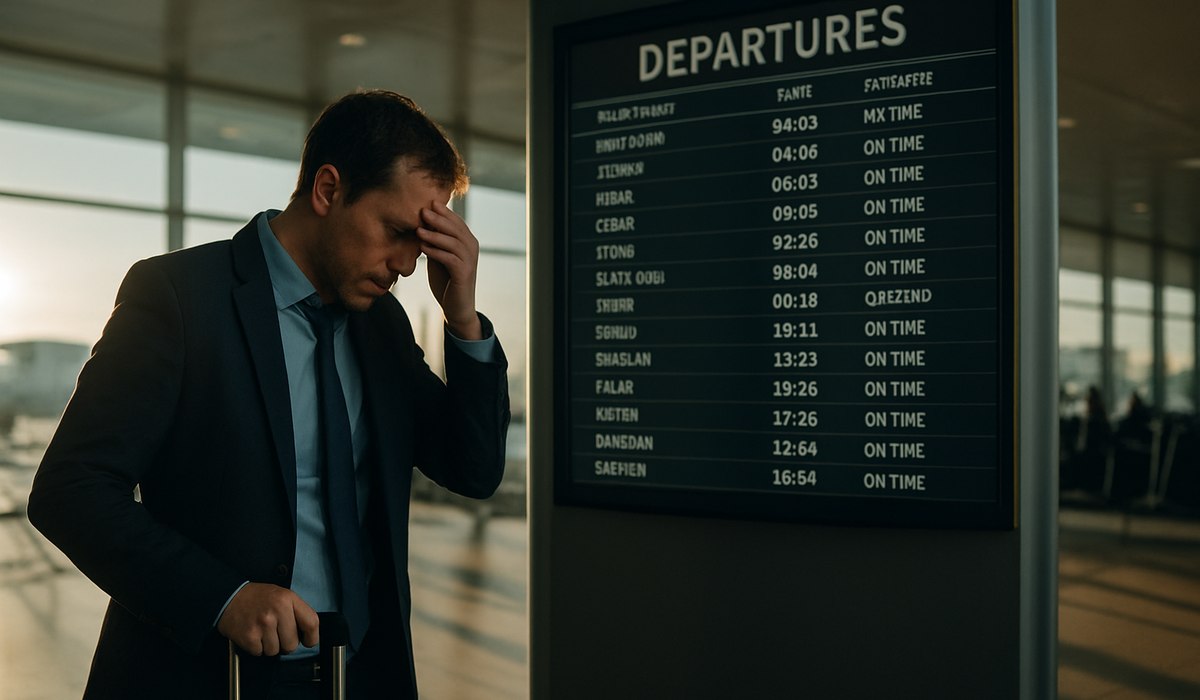
Image generated by AI
Porter Airlines Launches Optional Flight Disruption Coverage Amid Industry Delays
Porter Airlines has introduced a voluntary flight disruption coverage product, enabling travelers to purchase additional protection beyond standard rebooking policies. The optional add-on arrives as North American carriers continue grappling with widespread delays and cancellations throughout 2026. This new ancillary service reflects growing passenger demand for predictable travel protection when disruptions strike planned itineraries.
The Toronto-based carrier is positioning the coverage within its expanding menu of travel extras, alongside paid seat selection, baggage options, and trip insurance. Rather than bundling disruption protection into base fares, Porter allows passengers to opt-in during booking, maintaining competitive headline prices while generating ancillary revenue from security-conscious travelers.
What Is Porter's New Flight Disruption Coverage?
Porter's optional disruption product creates a structured layer of support when flights experience significant delays, cancellations, or missed connections. Unlike mandatory consumer protection regulations that outline baseline rebooking requirements, this paid add-on extends coverage into areas traditional policies don't always address.
The product targets situations where passengers want faster alternatives, more control over rebooking timing, or compensation for out-of-pocket expenses. When travelers purchase the coverage, they gain access to facilitated rebooking on alternative Porter flights, support arranging backup transportation options, and defined compensation parameters beyond standard refunds. Integration into Porter's booking platform means passengers encounter the option at moments when schedule certainty matters most—immediately after selecting departure times.
According to Porter's published information on ancillary services, the disruption coverage operates independently from the airline's existing tariff obligations while complementing them. This dual-track approach allows the carrier to maintain baseline regulatory compliance while offering enhanced flexibility for those willing to pay.
Why Airlines Are Adding Disruption Products Now
Flight disruption across North America has reached unprecedented levels in 2026. Weather systems, staffing shortages, air traffic congestion, and technical issues combine to create operational uncertainty that fundamentally shapes travel decisions. Passengers increasingly prioritize operational reliability when comparing airline options, and carriers respond by monetizing this heightened anxiety.
Porter's expansion into longer-haul routes with larger jet aircraft has intensified competitive pressure against Canada's major carriers. This growth strategy requires operational excellence—yet even well-managed airlines face disruption risks beyond their control. By offering optional disruption coverage, Porter addresses passenger concerns while generating incremental revenue.
The broader airline industry has adopted similar strategies through partnerships with travel-tech providers. Parametric disruption products automatically trigger support when delay or cancellation thresholds are exceeded, creating clarity around entitlements. Porter's approach mirrors this trend, replacing case-by-case negotiation with pre-defined eligibility criteria established at purchase.
For airlines, structured disruption products streamline operations during crises. Rather than improvising solutions under pressure, staff follow established protocols for passengers who purchased coverage, improving efficiency and customer satisfaction simultaneously.
How the Add-On Works Within Porter's Booking System
Passengers encounter Porter's disruption coverage option during the standard booking flow, after selecting outbound and return flights. The product appears alongside other optional services—seat assignments, baggage upgrades, and flexibility packages—on dedicated "travel extras" pages.
Purchasing the coverage requires a single click before payment, with pricing displayed transparently. Once added to a booking, the protection remains active for the entire itinerary, covering all purchased flight segments. Passengers receive confirmation details via email, outlining specific benefits, eligibility thresholds, and claim procedures.
Integration extends beyond initial booking into Porter's manage-booking tools. Travelers can review active coverage in their accounts before travel. Critically, when disruptions occur, passengers can reference their coverage directly in the airline's app or website, accelerating support requests and documentation submission.
The digital-first design reflects modern travel behavior. Passengers research disruption coverage on mobile devices during trip planning, compare options to other carriers' offerings, and expect instant digital confirmation. Porter's platform delivers this seamlessly, reducing friction in the purchase process.
For operational staff, backend systems flag covered passengers in disruption-management tools, prioritizing them for support and ensuring consistent benefit delivery during chaotic situations.
Beyond Standard Policies: What Coverage Includes
Porter's optional disruption coverage extends well beyond regulatory baseline obligations. Standard conditions of carriage require rebooking on the next available carrier-operated flight, typically leaving 8-12 hours after cancellation or extreme delays. The optional product accelerates this timeline and expands available alternatives.
Covered passengers gain faster rebooking priority on Porter flights departing the same day as their disrupted service. When Porter flights aren't available within defined windows, covered travelers access support arranging seats on competing carriers—a benefit not automatically provided to passengers without coverage.
Compensation parameters represent another significant distinction. Standard policies offer ticket refunds or rebooking, accepting passenger burden for meals, ground transportation, and accommodation during extended delays. Disruption coverage typically includes defined compensation for these out-of-pocket expenses, ranging from meal vouchers to partial hotel reimbursement depending on delay length.
Flexible rebooking represents a critical benefit. Non-covered passengers accept rebooking on the airline's chosen next-available flight, regardless of departure time or routing. Covered passengers often specify preferred alternatives—different departure times, connecting airports, or even dates—with the airline accommodating choices when feasible.
Additionally, covered passengers receive dedicated support channels during disruptions. Rather than joining general customer service queues with thousands of other stranded travelers, they access priority phone lines and specialized support staff familiar with their coverage details.
Traveler Action Checklist
When considering Porter's optional flight disruption coverage, follow these steps:
-
Review your trip profile. Assess your route, season, and flexibility tolerance. Business travelers and those flying during peak seasons face higher disruption risk.
-
Compare coverage costs against non-refundable fare savings. Calculate whether disruption coverage pricing justifies the protection level offered.
-
Read benefit details carefully. Access Porter's website and download complete terms. Identify specific thresholds, compensation amounts, and claim procedures.
-
Check your existing protections. Verify whether credit card benefits, travel insurance, or employer programs already provide similar coverage, avoiding redundancy.
-
Add coverage during booking. Opt-in on Porter's travel extras page before completing purchase. Note confirmation details for future reference.
-
Save confirmation emails. File all booking confirmations, itineraries, and coverage details in accessible cloud storage or folders.
-
Monitor weather forecasts five days before departure. If severe disruptions seem likely, consider schedule changes or additional protections.
-
Take screenshots during disruptions. Document flight status changes, rebooking offers, and expenses incurred if claiming compensation later.
-
Contact support promptly. Don't wait for resolution if your flight is cancelled. Call Porter's covered-passenger line immediately to initiate support protocols.
-
Document all expenses. Keep receipts for meals, transportation, and accommodation, as these substantiate compensation claims under disruption coverage terms.
Key Disruption Data: North American Airlines in 2026
| Metric | Details |
|---|---|
| Average Delay Per Flight | 23 minutes across North American carriers |
| Monthly Cancellation Rate | 2.1% of scheduled flights (up from 1.4% in 2023) |
| Weather-Related Disruptions | 42% of all significant delays, increasing seasonally |
| Passenger Rebooking Time | 4-8 hours on average without premium coverage |
| Airlines Offering Disruption Products | 8 major North American carriers as of May 2026 |
| Typical Coverage Cost | CAD $15-35 per passenger depending on route length |
What This Means for Travelers
Porter's disruption coverage represents a growing industry shift: airlines now monetize operational reliability itself. Rather than absorbing disruption costs universally, carriers segment passengers into protected and standard groups based on willingness to pay. This model acknowledges that disruption risk varies by route, season
Disclaimer
This article is for informational and educational purposes only. It does not constitute legal, financial, or professional advice. While we strive to provide accurate and up-to-date information, travel policies, regulations, and conditions change rapidly. Always verify information with official sources before making travel decisions. Nomad Lawyer makes no representations about the accuracy, reliability, completeness, or suitability of the information provided. Readers should consult qualified professionals for advice specific to their circumstances. The views expressed in this article are those of the author and do not necessarily reflect the views of Nomad Lawyer.
Preeti Gunjan
Contributor & Community Manager
A passionate traveller and community builder. Preeti helps grow the Nomad Lawyer community, fostering engagement and bringing the reader experience to life.
Learn more about our team →