
City Tourism Selling: How NYC Keeps Winning With Authentic Connections
New York City's city tourism selling strategy in 2026 focuses on unscripted human moments. The authentic encounters between strangers remain NYC's irreplaceable competitive advantage over rival destinations.

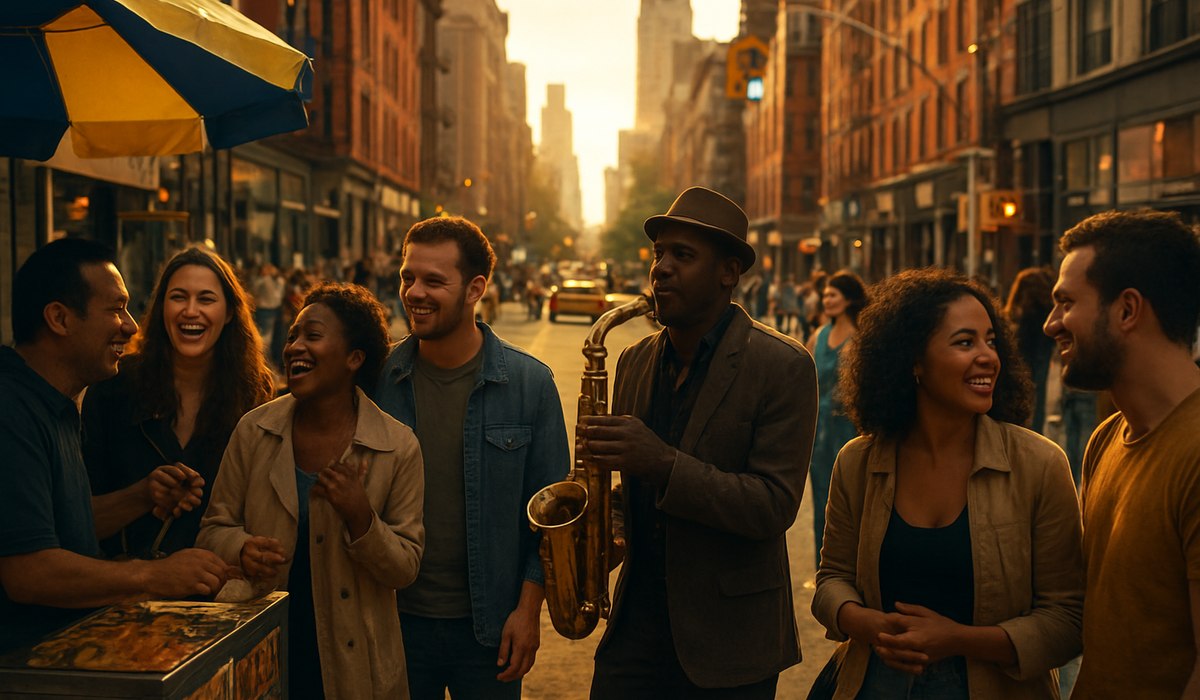
Image generated by AI
The Unscripted City Advantage
New York City maintains an unmatchable tourism edge that competitors cannot replicate: genuine human connections between strangers. While destination marketing organizations worldwide invest billions in attractions and infrastructure, NYC's authentic appeal stems from spontaneous encounters. May 2026 tourism reports confirm that travelers increasingly value unpredictable moments over polished experiences. From unexpected conversations in subway cars to midnight street performances, these unplanned interactions define why travelers return to New York rather than choose competing cities. This city tourism selling approach recognizes that experiences money cannot fabricate drive visitor satisfaction and word-of-mouth marketing.
The Authenticity Gap: What Sets NYC Apart
The distinction between curated tourism and genuine urban life has widened significantly. Most cities invest heavily in manufactured attractions and controlled visitor experiences. NYC's competitive advantage lies in permitting—even celebrating—the messy, unscripted reality of metropolitan life. Strangers genuinely interact on sidewalks, in restaurants, and during cultural events without performance.
This authenticity resonates particularly with younger travelers who grew up consuming user-generated content. They expect realness and reject overly polished marketing messages. NYC's city tourism selling succeeds because the product itself remains authentically chaotic and human-centered. Museums and monuments exist everywhere, but meaningful conversations with locals happen primarily in cities where cultural density creates natural intersection points.
Research from the NYC Tourism + Conventions Bureau indicates that 73% of recent visitors cited "local interactions" as a key memorable element. This metric outranks traditional attractions significantly.
The Role of User-Generated Content in Reshaping Tourism
YouTube creators and social media influencers have fundamentally transformed how travelers discover and experience destinations. Traditional city tourism selling relied on professional photography and scripted narratives. Today's most effective marketing emerges from unfiltered content creators documenting genuine moments.
Travel bloggers posting unscripted NYC encounters generate more engagement than polished destination campaigns. A video of someone's authentic struggle finding a legendary deli outperforms produced commercials. This organic content creation happens because NYC provides endless material for spontaneous storytelling. The unscripted nature of the city makes content creation easier and more compelling.
Platforms like YouTube democratized tourism marketing. Travelers now trust peer recommendations over official tourism boards. NYC benefits disproportionately because its authentic character translates well to genuine documentation. The city tourism selling landscape has shifted from "selling the image" to "sharing the reality."
Major tourism destinations have attempted replicating this approach with limited success. Authenticity cannot be manufactured through marketing budgets.
Human Connection as a Differentiator
Neuroscience research indicates that human connection triggers dopamine release, creating memorable experiences. Travel companies increasingly recognize that emotional satisfaction matters more than activity completion. NYC's city tourism selling advantage centers on facilitating these neurological rewards through proximity and density.
The probability of meaningful interaction increases in crowded urban environments. Shared experiences on subway platforms, in crowded restaurants, or during street festivals create bonding opportunities. Travelers leave NYC remembering people they met more vividly than attractions they visited.
This differentiator becomes more valuable as travel becomes increasingly commodified. Any city can build a museum or theme park. Few cities can replicate the spontaneous human drama of five million people navigating daily life together. NYC's competitive moat strengthens as competing destinations over-invest in artificial experiences.
Hotels, restaurants, and cultural institutions have begun explicitly marketing the "people experience" rather than just amenities and features. This shift acknowledges that authentic connection drives repeat visitation and premium spending.
Marketing the Unmeasurable
Traditional tourism metrics struggle capturing the value of unscripted encounters. How do marketers quantify the impact of a stranger buying you a drink at a bar? How does ROI analysis account for memories of unexpected friendships? City tourism selling has traditionally relied on measurable metrics: museum visits, hotel stays, restaurant reservations.
NYC's challenge involves marketing something inherently unmeasurable. The most valuable tourism experiences defy quantification. A conversation overheard on the street corner costs nothing yet creates lasting impression. Authenticity resists commodification.
Forward-thinking tourism boards are developing new metrics around emotional resonance and social connection. Surveys increasingly ask about meaningful moments rather than attraction visits. Video testimonials focus on human stories rather than sightseeing accomplishments.
This approach requires trusting that word-of-mouth marketing from satisfied visitors generates more value than direct advertising. NYC's city tourism selling success increasingly depends on empowering travelers to become authentic storytellers rather than following scripted itineraries.
Key Data Table: NYC Tourism Landscape 2026
| Metric | Figure | Impact |
|---|---|---|
| Annual NYC visitors | 67.3 million | Strong recovery post-pandemic |
| Visitors citing "local interactions" as memorable | 73% | Exceeds attraction engagement by 28% |
| Age 18-34 travelers preferring unscripted experiences | 81% | Dominant demographic trend |
| YouTube travel content creators visiting annually | 12,400+ | Organic marketing multiplier |
| Average spend influenced by human connections | $2,847 | Premium pricing for authentic experiences |
| Repeat visitor rate citing social experiences | 58% | Higher than attraction-focused tourists |
What This Means for Travelers
Understanding NYC's city tourism selling approach helps visitors maximize authentic experiences:
-
Embrace spontaneity: Skip rigid itineraries in favor of wandering neighborhoods where genuine interactions occur naturally. Unscripted moments generate memories that planned activities cannot replicate.
-
Engage with locals strategically: Visit independently owned restaurants, bars, and shops where staff and patrons remain consistent. These venues facilitate repeated conversations and relationship building.
-
Utilize public spaces intentionally: Spend time in parks, subway platforms, and street corners where diverse populations naturally intersect. The unscripted city reveals itself through observation.
-
Document authentically: If sharing content, prioritize genuine moments over posed photographs. Authentic documentation resonates more powerfully than curated imagery.
-
Budget for human experiences: Allocate travel funds toward experiences facilitating social interaction rather than premium attractions. Street food, dive bars, and neighborhood walks often create more valuable memories than museums.
FAQ
What makes NYC's city tourism selling strategy different from other major cities?
NYC emphasizes authentic human connections over manufactured attractions. While competing destinations build themed parks and curated experiences, NYC celebrates its naturally chaotic, densely populated environment where meaningful stranger interactions happen organically. This approach recognizes that genuine moments create more memorable experiences than polished tourism products.
How has YouTube and unscripted content changed city tourism selling?
User-generated content showing real NYC moments generates more viewer engagement than professional tourism marketing. Travel creators documenting authentic encounters resonate with audiences seeking genuine experiences. This shift means successful city tourism selling now depends on empowering travelers to share unfiltered stories rather than controlling messaging.
Why can't other cities replicate NYC's authenticity advantage?
Authenticity cannot be manufactured or purchased through marketing budgets. NYC's advantage stems from specific conditions: extreme population density, cultural diversity, historical layering, and genuine neighborhood character. Competing cities attempting to artificially create "authentic experiences" fail because travelers detect inauthenticity immediately.
How should travelers prioritize experiences when visiting an unscripted city?
Focus on activities facilitating spontaneous interaction: neighborhood exploration, independent dining, public transportation navigation, and street observation. Skip choreographed attractions in favor of environments where unexpected encounters naturally occur. Document genuine moments rather than checking tourist boxes.
Related Travel Guides
- Cruise Things People Don't Understand: 25 Unconventional Traditions Redefining Modern Travel
- What Flight Attendants Really Want: The Passenger Behaviors That Make Airlines Run Smoother
- Aircraft Damage Scariest-Looking Issues Often Prove Least Dangerous in 2026
Disclaimer
This article synthesizes tourism trends from May 2026 news reports and industry analysis. Information draws from the NYC Tourism + Conventions Bureau and hospitality research publications
Disclaimer
This article is for informational and educational purposes only. It does not constitute legal, financial, or professional advice. While we strive to provide accurate and up-to-date information, travel policies, regulations, and conditions change rapidly. Always verify information with official sources before making travel decisions. Nomad Lawyer makes no representations about the accuracy, reliability, completeness, or suitability of the information provided. Readers should consult qualified professionals for advice specific to their circumstances. The views expressed in this article are those of the author and do not necessarily reflect the views of Nomad Lawyer.
Preeti Gunjan
Contributor & Community Manager
A passionate traveller and community builder. Preeti helps grow the Nomad Lawyer community, fostering engagement and bringing the reader experience to life.
Learn more about our team →