
Aircraft Damage Scariest-Looking Issues Often Prove Least Dangerous in 2026
Viral aircraft damage photos alarm passengers unnecessarily in 2026. Peeling paint and weathered panels rarely signal safety threats compared to hidden structural corrosion beneath protective layers.

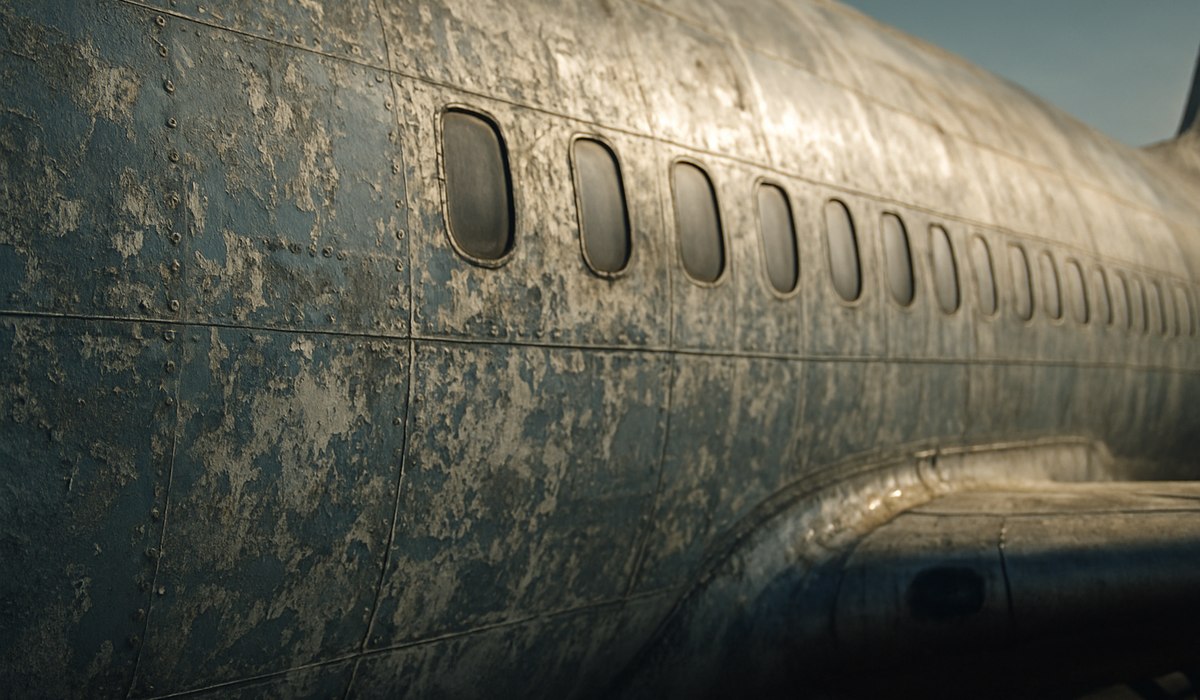
Image generated by AI
Why Passengers Fear Visible Aircraft Damage
Commercial airline passengers frequently react with concern when noticing visible aircraft damage during boarding or preflight inspections. Peeling paint, chipped coatings, discoloration streaks, and weathered panels circulate widely on social media, triggering alarm among travelers. These cosmetic imperfections often appear dramatic in viral photographs, leading many to question aircraft airworthiness. However, the scariest-looking exterior wear rarely represents the most dangerous threat to flight safety. Visible paint damage typically qualifies as routine maintenance rather than an immediate structural emergency. Understanding this distinction proves essential for informed air travel decisions throughout 2026.
The psychological impact of visible aircraft damage frequently exceeds its actual safety implications. Passengers equate worn appearances with mechanical neglect or poor maintenance practices. Airlines recognize this concern and address cosmetic issues during scheduled maintenance. Yet visual deterioration doesn't necessarily indicate compromised airworthiness. Modern aircraft undergo rigorous inspection protocols that identify genuine structural threats long before cosmetic wear becomes apparent to untrained observers.
Paint Serves Critical Protective Functions Beyond Aesthetics
Aircraft paint systems perform far more critical roles than appearance enhancement. The protective coating represents the aircraft's primary defense against moisture, salt spray, chemicals, and environmental exposure. Paint layers shield aluminum fuselages from corrosion-inducing elements encountered at altitude and during ground operations.
Multiple paint layers work together to create comprehensive protection. Epoxy primers provide adhesion and corrosion resistance. Topcoat finishes offer UV protection and weather resistance. When paint remains intact, these layers effectively prevent moisture penetration to underlying metal structures. Compromised paint systems allow water infiltration, initiating oxidation processes that gradually weaken aluminum components.
Airlines recognize paint's protective value and schedule repainting during major maintenance events. The Federal Aviation Administration mandates specific inspection intervals for paint system integrity. Airlines evaluate whether cosmetic damage compromises protective function or merely affects appearance. Surface scratches and minor peeling often require monitoring rather than immediate intervention. Significant paint loss exposing bare metal triggers accelerated inspection schedules and corrosion treatment protocols.
Understanding paint's dual function—protection and appearance—helps contextualize maintenance decisions. Airlines prioritize protective integrity over cosmetic perfection during operational scheduling. Visible wear doesn't automatically signal underlying problems requiring immediate aircraft grounding.
What Actually Threatens Aircraft Structural Integrity
Hidden corrosion represents the genuine structural threat passengers should understand. Corrosion develops beneath intact paint surfaces when moisture breaches protective coatings through micro-cracks, fastener areas, or edge delamination. This subsurface degradation remains invisible to casual observation while progressively weakening structural components.
Structural cracks in aluminum fuselage panels pose serious safety concerns. These typically originate from fatigue stress accumulation rather than cosmetic paint failure. Advanced inspection technologies detect microscopic cracks before they propagate to dangerous dimensions. Aircraft undergo routine structural inspections using eddy current scanning, ultrasonic testing, and visual examination by certified mechanics.
Maintenance issues affecting flight safety include hydraulic system leaks, avionics malfunctions, engine component degradation, and structural fatigue. These threats exist independently from cosmetic appearance. An aircraft with immaculate paint might harbor critical mechanical deficiencies. Conversely, a weathered-looking airframe might possess perfectly sound structural integrity verified through comprehensive testing.
The FAA enforces rigorous certification standards ensuring aircraft remain airworthy regardless of cosmetic condition. Regular airworthiness directives address specific aircraft types and known vulnerability areas. Operators must comply with mandatory maintenance schedules covering inspections, component replacement, and system testing protocols defined by manufacturers and regulatory authorities.
How Airlines Assess Real vs. Cosmetic Damage
Airlines employ systematic damage assessment protocols distinguishing cosmetic wear from structural concerns. Maintenance technicians conduct visual inspections identifying paint damage, corrosion staining, and surface irregularities. Damage severity classification determines appropriate corrective action and maintenance scheduling priorities.
Minor cosmetic damage typically receives notation in maintenance logs without grounding aircraft. Technicians document the damage location, extent, and any underlying corrosion indicators. If paint loss hasn't exposed bare metal or affected protective function, the aircraft remains in service while cosmetic repairs proceed during scheduled downtime.
Significant damage or evidence of subsurface corrosion triggers detailed investigative inspections. Airlines may remove paint locally to examine underlying metal condition. Non-destructive testing equipment assesses structural integrity and metal thickness. Findings determine whether aircraft require immediate repair before returning to service or if monitoring schedules prove sufficient.
The decision-making process prioritizes safety over operational efficiency. Airlines understand that grounding aircraft for legitimate safety concerns protects passenger welfare and company reputation. Conversely, unnecessary groundings for cosmetic issues impact airline profitability and passenger schedules without genuine safety benefit.
Modern aircraft benefit from advanced materials and design improvements reducing corrosion vulnerability compared to older generations. Composite materials used increasingly in contemporary aircraft eliminate aluminum corrosion altogether in affected areas. Structural designs incorporate improved drainage and ventilation reducing moisture accumulation in vulnerable cavities.
Passengers can request additional information about specific aircraft damage through customer service representatives. Airlines maintain detailed maintenance records reviewed during damage assessment. Transparent communication about cosmetic versus structural issues helps build passenger confidence in airline maintenance practices.
Traveler Action Checklist
If you observe aircraft damage before boarding, follow these steps:
-
Document the location and appearance using clear photographs from a safe distance without obstructing airport operations.
-
Report your observation to gate agents or flight crew using calm, factual language describing what you observed.
-
Ask specifically whether the aircraft has received maintenance clearance from qualified technicians and regulatory inspectors.
-
Request information about recent inspections if you want additional assurance regarding specific damage areas.
-
Verify airworthiness through authoritative sources including FlightAware tracking data and checking if the aircraft operated normally the previous day.
-
Contact the FAA or airline customer service if you believe genuine safety concerns exist rather than cosmetic imperfections.
-
Make an informed decision about proceeding with travel based on factual maintenance information rather than appearance-based assumptions.
-
Monitor airline communication channels for any maintenance-related schedule changes affecting your flight.
Passengers shouldn't allow cosmetic concerns to override confidence in regulatory oversight and airline safety practices. The aviation system includes multiple layers of inspection and accountability ensuring only airworthy aircraft carry passengers.
Key Aircraft Damage Assessment Data
| Assessment Category | Typical Response | Timeline | Regulatory Oversight | Risk Level |
|---|---|---|---|---|
| Paint peeling or chipping | Schedule repair during next maintenance window | 7-30 days | FAA Part 145 regulations | Low |
| Discoloration or streaking | Monitor during daily inspections | Ongoing | Airline maintenance standards | Low |
| Exposed bare metal (small area) | Investigate for corrosion; repair if confirmed | 24-48 hours | Manufacturer service bulletins | Medium |
| Subsurface corrosion detected | Remove affected components or reinforce structure | 48-72 hours | AD (Airworthiness Directives) | High |
| Structural cracks | Ground aircraft immediately | Before next flight | Emergency AD compliance | Critical |
| Fastener corrosion around critical areas | Detailed inspection and component replacement | 3-7 days | Structural integrity standards | Medium-High |
What This Means for Travelers
Cosmetic aircraft damage typically reflects aging and environmental exposure rather than maintenance neglect. Airlines operating modern aircraft worldwide inevitably encounter salt spray, extreme temperatures, UV exposure, and moisture—all contributing to surface wear. Visible paint deterioration doesn't indicate systemic maintenance failures or safety system neglect.
Understanding the distinction between cosmetic and structural damage empowers passengers to make informed travel decisions. You can observe aircraft conditions without interpreting minor wear as safety threats. Airlines maintain operational responsibility for airworthiness through comprehensive inspection programs that identify genuine concerns long before cosmetic problems become apparent.
When encountering concerning aircraft damage, contact authorities through proper channels
Disclaimer
This article is for informational and educational purposes only. It does not constitute legal, financial, or professional advice. While we strive to provide accurate and up-to-date information, travel policies, regulations, and conditions change rapidly. Always verify information with official sources before making travel decisions. Nomad Lawyer makes no representations about the accuracy, reliability, completeness, or suitability of the information provided. Readers should consult qualified professionals for advice specific to their circumstances. The views expressed in this article are those of the author and do not necessarily reflect the views of Nomad Lawyer.
Preeti Gunjan
Contributor & Community Manager
A passionate traveller and community builder. Preeti helps grow the Nomad Lawyer community, fostering engagement and bringing the reader experience to life.
Learn more about our team →