
China Tourism Sector Surges: 68M International Arrivals in 2025
China's tourism sector reached record heights in 2025 with over 68 million international arrivals and USD 135 billion in inbound spending. Visa-free policies and digital innovation are driving further growth through 2036.

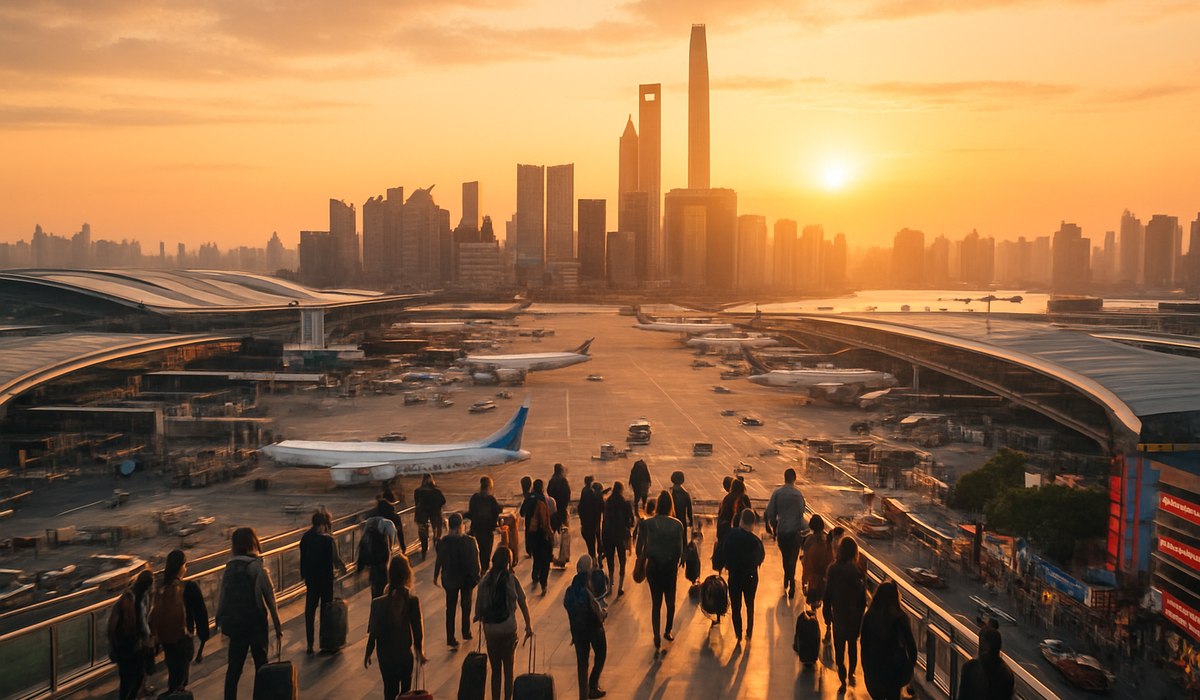
Image generated by AI
China's Tourism Sector Records Historic Milestone with 68 Million International Visitors
China's travel and tourism industry celebrated a landmark achievement in 2025, welcoming more than 68 million international arrivals while generating USD 135 billion in inbound visitor spending. This extraordinary performance underscores the resilience and appeal of China as a premier global destination. The sector's total economic contribution reached USD 1.8 trillion, positioning it as one of the world's most significant tourism markets. Industry projections suggest the china tourism sector will nearly double in size by 2036, fueled by strategic policy reforms and technological advancement.
Record International Arrivals Drive China's Tourism Boom
The 68 million international arrivals in 2025 represent a watershed moment for the china tourism sector. This figure reflects sustained recovery momentum following years of travel restrictions and demonstrates renewed confidence among global travelers. Major airports including Shanghai Pudong, Beijing Capital, and Guangzhou experienced unprecedented passenger volumes throughout the year. The World Travel & Tourism Council (WTTC) attributes this surge to improved air connectivity, expanded hotel capacity, and enhanced tourist facilities across tier-one and emerging tier-two cities.
Airlines operating Chinese routes reported strong booking patterns and load factors exceeding 85 percent during peak travel seasons. Capacity additions on transcontinental routes from North America and Europe particularly benefited from this demand spike. The consistency of arrivals throughout 2025 suggests structural shifts in travel patterns rather than seasonal anomalies, positioning the china tourism sector for sustainable further growth into 2027 and beyond.
Visa-Free Policies and Digital Initiatives Fuel Growth
Expanded visa-free access stands as the primary catalyst accelerating the china tourism sector's expansion. China extended its visa-free entry program to 195 countries and regions, dramatically lowering barriers for spontaneous leisure travelers. This policy innovation transformed travel planning dynamics, enabling same-day booking decisions previously constrained by visa application timelines and processing fees.
Complementing visa policy reforms, digital travel infrastructure modernization accelerated adoption rates among international visitors. Mobile payment systems, real-time translation applications, and AI-powered travel planning platforms simplified navigation for non-Mandarin speakers. Digital innovation initiatives reduced friction points throughout the travel journey, from booking accommodations to purchasing local transportation passes. Investment in these technologies positioned the china tourism sector as a leader in travel tech adoption among developing economies. The integration of facial recognition systems at airport security checkpoints and hotel check-ins enhanced convenience while maintaining safety protocols.
Airlines partnered with hospitality platforms to create integrated booking ecosystems, allowing passengers to arrange ground transportation, accommodations, and activity bookings within unified interfaces. This holistic approach contributed measurably to the sector's further growth trajectory.
Economic Impact and Long-Term Projections to 2036
The USD 1.8 trillion contribution to China's GDP in 2025 reflects the tourism sector's outsized economic impact relative to its industry classification. Tourism spending ripples throughout hospitality, transportation, retail, cultural institutions, and food service sectors, multiplying the direct revenue impact. The china tourism sector accounts for approximately 6 percent of national GDP when accounting for indirect employment and supply chain contributions.
Projections through 2036 anticipate the sector will nearly double, reaching approximately USD 3.2 to USD 3.5 trillion in annual economic value. This growth scenario assumes continued policy liberalization, steady infrastructure investment, and global economic stability. Emerging markets contributing increasingly to international arrivals include India, Southeast Asia, and the Middle East, reflecting demographic shifts in global travel patterns. The further growth trajectory depends substantially on maintaining competitive pricing relative to alternative Asian destinations and sustaining service quality improvements across mid-market accommodation options.
Infrastructure Investment Supporting Sector Expansion
Substantial capital allocation to tourism infrastructure accelerates the china tourism sector's capacity to accommodate record visitor volumes. High-speed rail expansion connects secondary cities to primary tourist centers, reducing travel times between Shanghai, Beijing, and emerging destinations like Chengdu and Xi'an. Airport capacity additions at 24 metropolitan areas increased gate facilities and ground service capabilities by approximately 40 percent between 2023 and 2025.
Hotel development focused on mid-range properties addressing the market segment experiencing fastest growth among international visitors. Boutique accommodations and apartment-style rentals proliferated in heritage districts, capitalizing on experiential travel preferences among younger demographic cohorts. Museums, cultural centers, and outdoor recreation facilities received substantial investment, diversifying attraction portfolios beyond traditional megacities. This distributed development strategy reduces congestion pressures while enabling further growth across geographic regions previously underrepresented in inbound tourism statistics.
Tourism infrastructure investments position the china tourism sector to absorb projected visitor growth through 2036 without experiencing service degradation or overcrowding at marquee attractions.
Key Tourism Sector Performance Metrics
| Metric | 2025 Value | 2024 Comparison | Growth Rate |
|---|---|---|---|
| International Arrivals | 68 million | 58.3 million | 16.6% |
| Inbound Visitor Spending | USD 135 billion | USD 114 billion | 18.4% |
| Sector GDP Contribution | USD 1.8 trillion | USD 1.62 trillion | 11.1% |
| Average Visitor Stay Duration | 8.2 days | 7.9 days | 3.8% |
| Visa-Free Eligible Countries | 195 | 140 | 39.3% |
| Projected 2036 Sector Size | USD 3.2-3.5 trillion | N/A | 77-94% |
| Employment in Sector | 41 million jobs | 38 million jobs | 7.9% |
What This Means for Travelers
The surge in china tourism sector performance creates both opportunities and practical considerations for international visitors planning trips throughout 2026 and beyond.
1. Book accommodations earlier during peak seasons – increased demand means premium properties fill weeks in advance, particularly in Shanghai, Beijing, and Chengdu during summer and autumn months.
2. Leverage visa-free access for spontaneous travel – the expanded 195-country program enables last-minute trips without administrative delays, though advance flight bookings still secure better pricing.
3. Download mobile payment applications before arrival – digital wallets dominate retail transactions; carrying foreign credit cards as backup ensures backup payment options in remote areas.
4. Explore tier-two cities benefiting from infrastructure expansion – secondary destinations like Chengdu, Xi'an, and Hangzhou offer authentic experiences with shorter queues at attractions compared to megacity alternatives.
5. Monitor airline route additions – carriers continuously add new intercontinental routes serving China, potentially offering better prices and scheduling flexibility on your preferred departure date.
6. Verify travel insurance coverage for extended stays – if planning trips exceeding your standard visa-free duration, clarify policy terms with your insurance provider before departure.
Frequently Asked Questions
How many countries qualify for China's visa-free entry program?
China's expanded visa-free program covers 195 countries and regions as of 2025. Citizens of these nations may enter for tourism, business, or transit purposes without visa applications. Each country falls within specific visa-free duration categories, typically ranging from 15 to 180 days. Check the Chinese embassy website for your nation's specific allowance.
What is the projected economic impact of the tourism sector by 2036?
Industry analysts project the china tourism sector will nearly double from its 2025 size of USD 1.8 trillion, reaching USD 3.2 to USD 3.5 trillion by 2036. This projection assumes continued policy support, infrastructure investment, and stable global economic conditions. The compound annual growth rate necessary to achieve this target is approximately 6-8 percent annually.
Which airlines serve China's major tourist destinations most frequently?
Leading carriers include Air China, China Eastern,
Disclaimer
This article is for informational and educational purposes only. It does not constitute legal, financial, or professional advice. While we strive to provide accurate and up-to-date information, travel policies, regulations, and conditions change rapidly. Always verify information with official sources before making travel decisions. Nomad Lawyer makes no representations about the accuracy, reliability, completeness, or suitability of the information provided. Readers should consult qualified professionals for advice specific to their circumstances. The views expressed in this article are those of the author and do not necessarily reflect the views of Nomad Lawyer.
Preeti Gunjan
Contributor & Community Manager
A passionate traveller and community builder. Preeti helps grow the Nomad Lawyer community, fostering engagement and bringing the reader experience to life.
Learn more about our team →