
China Slashes Domestic Flight Fuel Surcharges to Shield Summer Tourists from Skyrocketing Costs and Severe Travel Chaos: Latest Airline News
As global energy volatility threatens to bankrupt summer vacationers, Chinese airlines execute a massive, highly anticipated reduction in domestic fuel surcharges to prevent travel demand collapse.

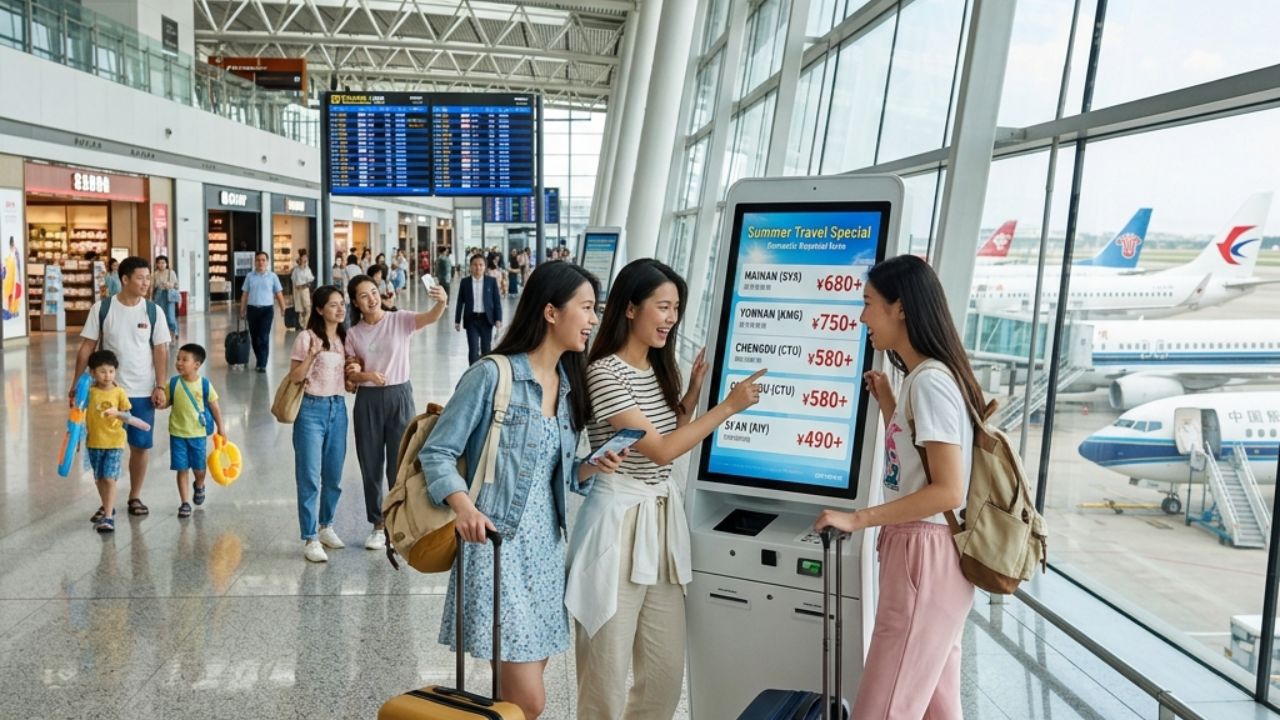
Image generated by AI
A Massive Financial Lifeline for Summer Travelers
While global passenger networks are continually plagued by localized flight cancellations, operational gridlock, and severe financial travel chaos, China's domestic aviation sector has just delivered a highly critical economic victory for tourists. Delivering highly anticipated, urgent airline news, industry regulators have officially confirmed that Chinese airlines will execute a massive, nationwide reduction in fuel surcharges across all domestic flights beginning exactly on June 5, 2026. While desperate passengers across the globe attempt to dodge massive airport disruptions and severely inflated airfares, these exclusive aviation updates confirm that this crucial policy shift arrives just in time to rescue the peak summer travel season. By aggressively slashing these mandatory fees, the Chinese aviation industry is directly combating months of terrifyingly high operating costs, effectively insulating hundreds of millions of price-sensitive families and corporate travelers from the grueling financial exhaustion that frequently ruins summer itineraries.
Expanded Overview: Preventing a Demand Collapse
The strategic implementation of this surcharge reduction serves as massive, undeniable proof of the intense financial pressure currently governing the Chinese domestic aviation market. Historically, aviation fuel remains the absolute largest operational expense for airlines, fiercely accounting for between 20% and 30% of total operating expenditures. When global energy markets spike violently, carriers are forced to aggressively pass these terrifying costs onto the consumer, resulting in massive demand destruction and forcing travelers to abandon air travel for congested high-speed rail networks.
Earlier in 2026, Chinese carriers were forced to execute two massive, back-to-back surcharge hikes, severely inflating travel costs across the entire domestic network and threatening to completely paralyze summer tourism flows. The June 5 policy reversal is an incredible, highly calculated maneuver designed to instantly stimulate demand. For the modern Chinese family planning a massive cross-country vacation, these cumulative ticket savings mathematically shift the balance, preventing the financial stress and last-minute booking anxiety that frequently precede peak-season travel meltdowns.
Section-Wise Breakdown of the Policy Shift
The Surcharge Reversal Timeline
The timeline of this highly volatile pricing structure illustrates the extreme turbulence of modern airline economics. The terrifying sequence began on April 5, 2026, with a significant surcharge increase, followed violently by an additional, massive hike on May 16. The sudden, aggressive reduction scheduled for June 5 marks the absolute first financial relief of the year. While it represents a partial reversal rather than a complete return to absolute lows, it powerfully signals that airlines are aggressively leveraging stabilizing fuel markets to offer immediate relief to domestic passengers preparing for the brutal summer holiday rush.
The Domestic Tourism Explosion
China fiercely possesses one of the absolute largest domestic tourism markets on the planet, and this surcharge slash is designed to trigger a massive economic explosion. For highly remote, wildly popular destinations located thousands of kilometers from major population centers, aviation remains the only viable transport method. Reduced surcharges will heavily stimulate explosive travel demand into critically important tourism corridors, including the massive beach resorts of Hainan, the high-altitude pilgrimage routes of Tibet, and the intense cultural adventure hubs of Xinjiang and Yunnan.
Financial Optimization Strategies
While the airlines are aggressively cutting surcharges, travel analysts fiercely urge passengers to execute their own highly aggressive booking strategies to survive the impending summer surge. By combining the new, lower surcharge environment with extremely calculated booking tactics—such as actively monitoring airline flash promotions, heavily exploiting loyalty program rewards, and deliberately traveling during midweek periods—passengers can achieve massive, unprecedented financial savings, completely avoiding the financial trauma normally associated with peak-season holiday travel.
Comprehensive Fuel Surcharge and Tourism Metrics Tables
To fully comprehend the highly calibrated financial parameters that dictate this massive industry relief effort, the following tables explicitly detail the exact surcharge reductions, the historical timeline, and the critical tourism corridors targeted by this policy:
Domestic Flight Fuel Surcharge Changes (Effective June 5, 2026)
| Route Distance | Current Surcharge | New Surcharge | Total Reduction |
|---|---|---|---|
| 800 km or less | 90 yuan | 80 yuan | 10 yuan |
| More than 800 km | 170 yuan | 150 yuan | 20 yuan |
Domestic Fuel Surcharge Volatility Timeline (2026)
| Date | Fuel Surcharge Trend |
|---|---|
| April 5, 2026 | Significant increase aggressively implemented |
| May 16, 2026 | Additional, massive surcharge increase executed |
| June 5, 2026 | First major reduction of the year implemented |
Critical Domestic Tourism Corridors Stimulated by Surcharge Cuts
| Tourism Region | Travel Significance |
|---|---|
| Hainan | Massive beach tourism and luxury resort travel |
| Xinjiang | Intense adventure and highly remote cultural tourism |
| Yunnan | Nature, heritage, and explosive leisure tourism |
| Tibet | High-altitude tourism and massive pilgrimage travel |
| Northeast China | Seasonal nature and massive winter tourism |
Aggressive Travel Cost Optimization Strategies
| Strategy | Potential Financial Benefit |
|---|---|
| Book early for summer departures | Instantly access much lower base fare classes |
| Compare multiple departure airports | Secure massive pricing flexibility and route options |
| Travel during midweek periods | Exploit lower passenger demand and cheaper fares |
| Monitor airline flash promotions | Stack additional discounts beyond surcharge reductions |
| Aggressively use loyalty programs | Rapidly earn points and massive travel rewards |
Passenger Impact: Insulating the Traveler from Exhaustion
For the modern domestic Chinese commuter and tourist, the passenger impact of this massive surcharge reduction is financially and emotionally liberating. The modern demographic is increasingly demanding absolute financial reliability, actively turning away from travel itineraries crippled by heavily inflated pricing that makes family travel impossible.
When airlines continually hike fees, passengers are frequently forced to cancel itineraries or engage in exhausting, highly stressful alternative transport planning. By actively cutting these surcharges just before the brutal summer school holidays commence, airlines are buying massive passenger goodwill. Travelers can now confidently book their multi-leg domestic itineraries without the terrifying anxiety of absorbing crippling, last-minute fuel penalties, ensuring they arrive at their destination financially intact and ready to heavily inject revenue into local tourism economies.
Industry Analysis: Battling the High-Speed Rail Network
From a macroeconomic and industry operations perspective, this massive surcharge reduction highlights a fierce, highly strategic battle within China's domestic transport ecosystem. While global fuel markets provided the catalyst for the cut, travel analysts fiercely argue that airlines are deliberately weaponizing these lower prices to aggressively combat the terrifying efficiency of China's massive high-speed rail network.
By aggressively lowering the final out-of-pocket cost for the passenger, domestic airlines are violently defending their market share on highly competitive, medium-haul routes. For airports, ground transport operators, and massive regional hospitality businesses, these lower ancillary travel costs are absolutely critical. They guarantee a massive, uninterrupted flow of high-yield visitors during the peak holiday periods, ensuring the entire domestic tourism supply chain remains wildly profitable despite broader global economic uncertainties.
Conclusion: A Highly Lucrative Horizon for Domestic Aviation
The official reduction of China's domestic flight fuel surcharges is exponentially more than a routine tax adjustment—it represents a massive, highly calculated victory in the mission to completely stimulate and secure summer travel demand. By perfectly matching stabilizing global energy markets with an aggressive desire to dominate domestic tourism, the aviation sector has proven that it is fiercely committed to protecting its passengers from extreme financial exhaustion. As legacy carriers in other parts of the world continue to crush passengers with devastating fee hikes, the Chinese domestic network stands as a highly anticipated sanctuary of pricing relief, guaranteeing a magnificent, financially viable journey for hundreds of millions of travelers this summer.
Key Takeaways
- Massive Financial Relief: Chinese airlines will officially execute a massive reduction in domestic fuel surcharges for all tickets issued on or after June 5, 2026.
- Preventing Demand Collapse: The policy fiercely reverses months of terrifying surcharge hikes, actively preventing a collapse in peak summer travel demand.
- Distance-Based Cuts: Surcharges for flights under 800 km will drop to 80 yuan, while longer routes will aggressively fall to 150 yuan.
- Stimulating Remote Tourism: The massive price cuts will heavily stimulate air travel to highly remote, tourism-dependent regions like Hainan, Tibet, and Xinjiang.
- Battling High-Speed Rail: The aviation industry is aggressively utilizing the price cuts to fiercely defend market share against China's massive high-speed rail network.
Disclaimer: The fuel surcharge reductions, historical timeline data, and specific ticket pricing adjustments presented in this report are based on official Chinese aviation regulatory announcements for the June 5, 2026, implementation date. Global energy markets, jet fuel costs, and airline capacity metrics are extremely volatile and subject to continuous, sudden change. Domestic travelers booking summer itineraries are urgently advised to monitor final ticket prices directly via their airline's official booking portal and rapidly finalize travel plans to secure the maximum financial benefit.
Disclaimer
This article is for informational and educational purposes only. It does not constitute legal, financial, or professional advice. While we strive to provide accurate and up-to-date information, travel policies, regulations, and conditions change rapidly. Always verify information with official sources before making travel decisions. Nomad Lawyer makes no representations about the accuracy, reliability, completeness, or suitability of the information provided. Readers should consult qualified professionals for advice specific to their circumstances. The views expressed in this article are those of the author and do not necessarily reflect the views of Nomad Lawyer.
Kunal K Choudhary
Co-Founder & Contributor
A passionate traveller and tech enthusiast. Kunal contributes to the vision and growth of Nomad Lawyer, bringing fresh perspectives and driving the community forward.
Learn more about our team →