
China Mid-Autumn Festival Travel Guide 2026: 17 Million Rail Trips, Moon-Viewing Nights, and Regional Heritage

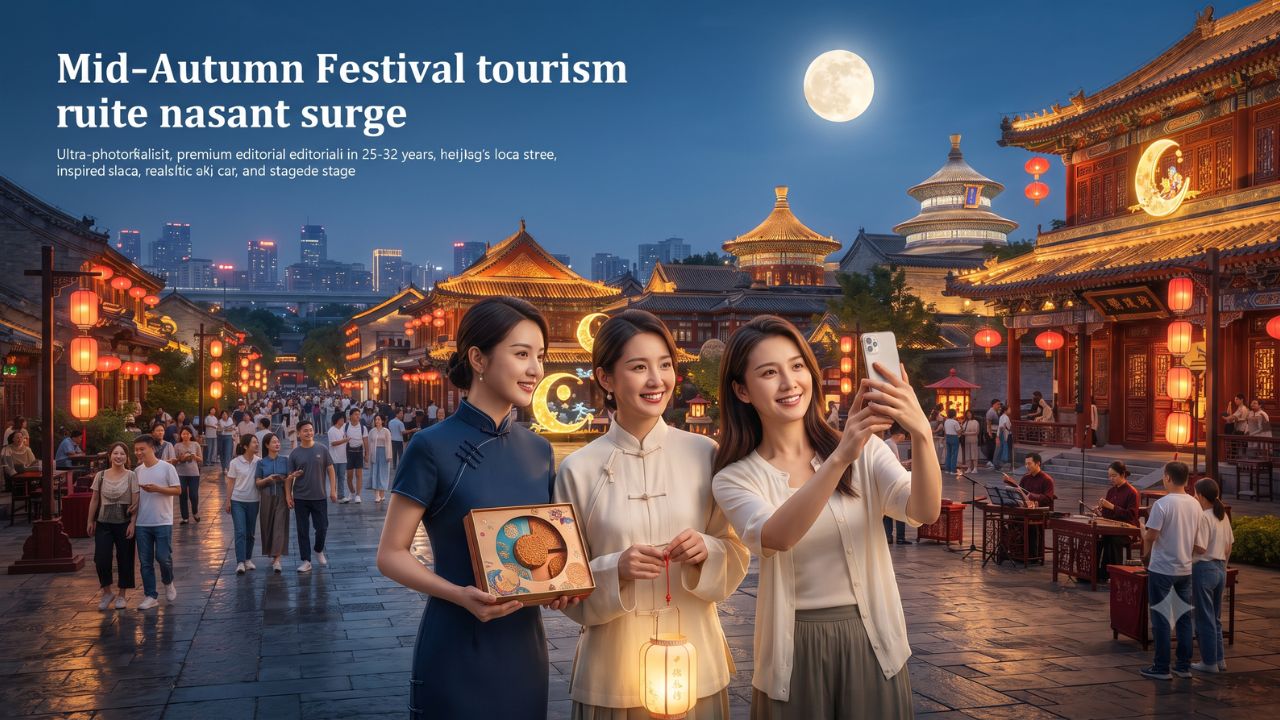
On the opening day of the three-day Mid-Autumn holiday alone, China State Railway Group moved an astonishing 17.139 million passenger journeys while expressways processed an average of 41 million vehicles daily. Celebrated on the 15th day of the eighth lunar month when the full moon shines brightest, this ancient festival of family reunion (tuanyuan) has evolved into one of the country's most dynamic economic engines, driving an 18 percent increase in intercity travel bookings over the Dragon Boat Festival and a massive 105 percent surge in family reunion dining orders.
Rather than concentrating solely on long-distance transcontinental tours, over 60 percent of holidaymakers opted for short-distance regional getaways, combining illuminated nighttime city walks, ancient courtyard lantern gatherings, and scenic mountain moon-viewing excursions.
Inside the Holiday Movement: Night Tourism and Regional Travel Numbers
Operational data compiled through official transport networks and the Ministry of Culture and Tourism underscores how cultural tradition is powering autumn domestic travel:
- Record-Breaking Rail and Road Volumes: China State Railway Group managed 17.139 million passenger trips on day one, while highway authorities recorded approximately 41 million vehicle trips per day across national expressway networks.
- Short-Distance and Nearby Travel Boom: Short-haul and peripheral trips represented more than 60 percent of total holiday bookings, with intercity bookings during the eve and first day jumping 18 percent higher than Dragon Boat Festival benchmarks.
- Surging Reunion Consumer Spend: Digital lifestyle and dining platforms logged a remarkable 105 percent year-on-year increase in banquet and reunion meal reservations as multi-generational families gathered for festive dinners.
- Themed Rail Journeys: High-speed railway operators brought festive culture directly onto train carriages, hosting live mooncake tastings, poetry recitations, and folk music performances on routes connecting Hankou Station with Yichang East Station in Hubei Province.
What Makes Mid-Autumn Festivities Experientially Unique Across China
The Mid-Autumn Festival offers international and domestic travelers an intimate glimpse into the profound connection between Chinese classical mythology, lunar poetry, and seasonal gastronomy.
In Taizhou City, Zhejiang Province, ancient legends came alive through an immersive technological showcase depicting Chang'e, the mythical moon goddess, using water projections, aerial drone formations, and traditional Yue opera melodies. In Beijing, the post-industrial steel structures of Shougang Park—the historic ironworks converted into a green urban recreation zone for the 2022 Winter Olympics—were illuminated with glowing lunar lanterns, drawing thousands of families for moon-viewing beside restored blast furnaces.
At the historic Temple of Heaven, inscribed on the UNESCO World Heritage List, travelers strolled beneath ancient cypress groves illuminated by seasonal lights, admiring imperial Ming and Qing dynasty sacrificial architecture. Further south, within the sandstone spires of Zhangjiajie National Forest Park in Hunan Province, visitors rode the glass Bailong Elevator to view the glowing full moon rising above towering karst monoliths. In Nanning, Guangxi, the shores of Minge Lake resonated with traditional Zhuang ethnic folk songs, copper drum performances, and water lantern releases.
Visitor Insider Tips for Traveling During the Mid-Autumn Season
- Book High-Speed Rail Tickets at 14-Day Windows: Rail tickets for peak holiday dates sell out within minutes on the official China Railway 12306 Platform. Set up an authenticated account with your passport details beforehand and activate the automated waiting list (houbu) function to secure seats when extra holiday trains are scheduled.
- Experience Moon-Viewing (Shangyue) Away From Crowds: Instead of crowding central city plazas, seek elevated, tranquil viewpoints. In Beijing, hike Jingshan Park just before twilight for panoramic views of the Forbidden City bathed in moonlight; in Hangzhou, book an evening wooden skiff along West Lake to see the "Three Pools Mirroring the Moon."
- Sample Regional Mooncake Varieties: Mooncakes vary drastically by province. Try flaky, savory Suzhou pork mooncakes (freshly baked and served warm), classic Cantonese sweet lotus seed paste with double salted duck egg yolks, fragrant Yunnan ham and edible rose blossom cakes, or modern chilled snow-skin fruit mooncakes.
- Digital Payments with Alipay and WeChat Pay: Ensure your international credit cards (Visa or Mastercard) are linked to international tour versions of Alipay or WeChat Pay. Digital QR payments are universally required for everything from metro gates and museum tickets to neighborhood fruit vendors.
- Carry Valid Passport Identification: Physical passports are required for boarding all high-speed trains, checking into hotels, and entering major cultural attractions and national parks. Keep your passport and reservation confirmation codes easily accessible on your smartphone.
Cultural and Environmental Context
The nationwide emphasis on localized, short-distance holiday getaways reflects a broader transition toward low-carbon, sustainable domestic tourism. By encouraging residents to explore regional greenways, historic water towns, and restored urban parks, tourism authorities reduce long-haul aviation emissions and ease strain on oversubscribed natural reserves.
At the community level, the holiday directly supports small family-owned bakeries, tea cooperatives, and rural homestays. In provinces like Zhejiang, Jiangsu, and Fujian, ancient village communities open traditional ancestral halls to stage public tea ceremonies (gongfu cha), ensuring that centuries of intangible cultural heritage are actively preserved and shared with younger generations.
FAQ: Visiting China During Mid-Autumn Festival 2026
When does the Mid-Autumn Festival take place?
The festival occurs annually on the 15th day of the eighth month of the Chinese lunar calendar, usually falling between mid-September and early October.
Are tourist attractions and public transit open during the holiday?
Yes. Major museums, archaeological parks, public transit systems, and high-speed railways operate at expanded capacity throughout the holiday period.
Do foreign visitors need advance reservations for major attractions?
Yes. Popular attractions like the Temple of Heaven in Beijing and Zhangjiajie National Forest Park require real-name passport bookings through official WeChat mini-programs or ticket portals.
What is the most traditional food eaten during the festival?
Mooncakes (yuebing) paired with fragrant osmanthus wine or hot Oolong tea are the quintessential culinary symbols of family unity and harmony.
As the autumn moon rises over ancient temple eaves and modern city skylines, China's timeless festival of reunion illuminates the enduring spirit of its cultural heritage.
Related Travel Guides
Disclaimer
This article is for informational and educational purposes only. It does not constitute legal, financial, or professional advice. While we strive to provide accurate and up-to-date information, travel policies, regulations, and conditions change rapidly. Always verify information with official sources before making travel decisions. Nomad Lawyer makes no representations about the accuracy, reliability, completeness, or suitability of the information provided. Readers should consult qualified professionals for advice specific to their circumstances. The views expressed in this article are those of the author and do not necessarily reflect the views of Nomad Lawyer.
Raushan Kumar
Founder & Lead Developer
Full-stack developer with 11+ years of experience and a passionate traveller. Raushan built Nomad Lawyer from the ground up with a vision to create the best travel and law experience on the web.
Learn more about our team →