
Malta's Notte Bianca 2026: How Valletta Transforms Into a Massive Open-Air Cultural Stage
Experience Valletta after dark during Notte Bianca 2026, a one-night cultural takeover that turns Malta's capital into a hub of art, music, and heritage.

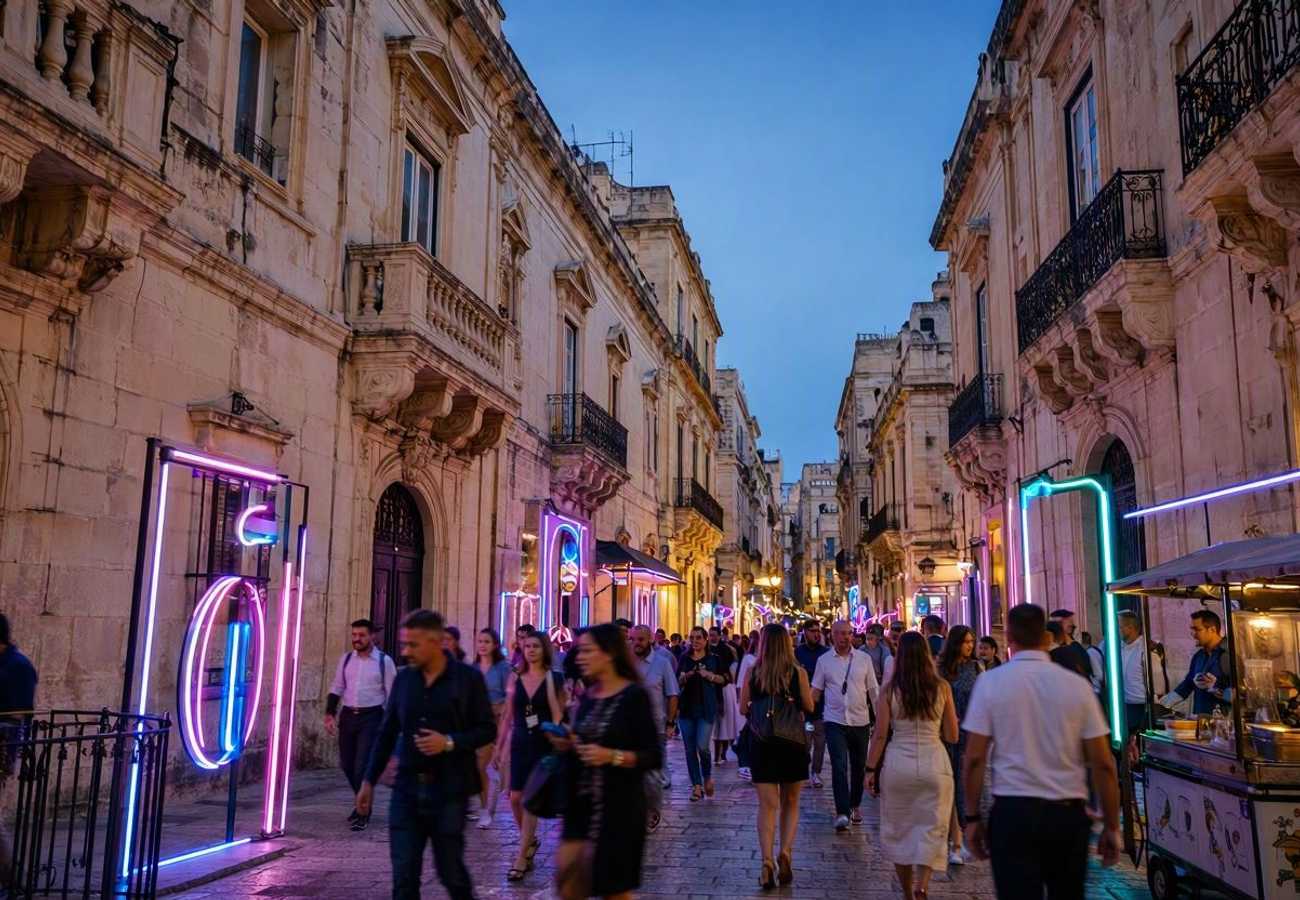
Image generated by AI
For one single night on 3 October 2026, the entire capital of Malta ceases to be a standard museum city and becomes a living, breathing performance piece. While most visitors experience Valletta through the lens of daytime sightseeing, Notte Bianca flips the script, opening the doors of restricted palaces, churches, and museums long after the sun has set to create a city-wide cultural takeover.
The Evolution of Valletta’s Midnight Metamorphosis
Valletta is already a masterpiece of urban planning, but Notte Bianca—organized by Festivals Malta—redefines how the city is consumed. This isn't just a series of concerts; it is a strategic shift toward "night tourism," a growing trend across Europe where historic centers are repurposed as nocturnal galleries. By transforming public squares and historic corridors into venues for contemporary art and music, the city extends the tourist lifecycle, encouraging visitors to stay overnight rather than treating the capital as a day-trip destination.
The event serves as a bridge between Malta’s rigid preservation of the past and its current creative energy. Instead of observing a 16th-century chapel from behind a velvet rope, visitors find themselves inside these spaces while modern installations or avant-garde performances unfold around them. This immersive approach turns the UNESCO World Heritage site of Valletta into an interactive playground, proving that heritage doesn't have to be static to be preserved.
What Makes the Notte Bianca Experience Unique
Unlike a typical music festival with a fenced-off perimeter and a ticket booth, Notte Bianca is an urban diffusion. The "stage" is the city itself. The experience is characterized by a lack of boundaries; you might turn a corner in a narrow limestone alley and stumble upon a jazz quartet, only to find a digital art exhibition in a nearby plaza.
This format is part of a larger global movement inspired by the "Nuit Blanche" (White Night) concept. While the trend started in Paris, Malta has tailored it to fit the Mediterranean rhythm. The contrast is striking: the heavy, baroque architecture of the Knights of Malta provides a dramatic backdrop for light installations and electronic music, creating a sensory friction that you simply cannot find during a 10 AM walking tour.
The economic ripple effect is equally significant. The festival creates a surge in demand for the local hospitality sector. From the small pastry shops selling pastizzi to the high-end wine bars in the Upper Barrakka area, the night-time economy thrives as the city's foot traffic shifts from the waterfront to the inner residential and cultural veins of the capital.
Visitor Insider Tips
Navigating a city-wide festival requires more than just a map; it requires a strategy. To make the most of 3 October 2026, keep these local nuances in mind:
Timing and Flow: Arrive in Valletta by late afternoon. While the main events trigger after sunset, the city becomes incredibly congested as the evening progresses. Securing a base—perhaps a dinner reservation in a side street—allows you to step out into the festivities without fighting the initial rush of crowds.
The "Off-Beat" Path: Most tourists cluster around the main squares. To find the more intimate performances, venture into the smaller streets of the lower city. The real magic of Notte Bianca often happens in the smaller courtyards and hidden balconies where local artists showcase niche works.
Transport Hacks: Do not attempt to drive into Valletta during Notte Bianca. Traffic becomes a standstill and parking is virtually non-existent. Use the ferry from Sliema or the Three Cities to arrive at the Valletta waterfront. It is the fastest way in and provides a stunning view of the illuminated fortifications.
Local Flavors: Skip the formal sit-down meals during the peak of the event. Instead, embrace the street-food culture. Look for local vendors selling traditional Maltese snacks that you can eat while moving between venues.
Cultural and Environmental Context
The rise of night tourism in Malta is not without its challenges. The tension between being a "living city" and a "tourist destination" is palpable during Notte Bianca. For residents, the event is a point of pride but also a source of significant disruption. The influx of thousands of visitors into a compact urban center puts pressure on waste management and noise levels.
However, the environmental trade-off is often seen as worth it for the cultural gain. By concentrating the tourism surge into a single, high-impact night, the city can manage resources more effectively than if the crowds were spread across a month of mid-season travel. Furthermore, the event promotes a "slow travel" philosophy—encouraging visitors to explore the city on foot, reducing the carbon footprint associated with short-distance taxi trips within the capital.
This model is being mirrored across the continent. From the Nuit Blanche in Brussels to the Noite Branca in Braga, Portugal, European cities are discovering that the best way to protect heritage is to make it relevant to the modern traveler. By integrating digital arts and contemporary music into ancient spaces, these cities ensure that the younger generation views historic centers not as dusty museums, but as vibrant centers of current expression.
The Notte Bianca 2026 in Valletta, Malta, promises to be an unforgettable experience, with the city transforming into a massive open-air cultural stage, featuring music, dance, and art performances. For the latest updates on the event schedule and lineup, visitors can check the official Visit Malta website, which provides comprehensive information on the country's events and attractions. This will help travelers plan their trip to Malta and make the most of their time in Valletta during the Notte Bianca.
Global Comparison: The Night Festival Network
Malta is part of an elite network of cities that have mastered the art of the "White Night." While Valletta focuses on the intersection of Baroque heritage and modern art, other cities offer different flavors of the same concept:
| Country | Event Name | Focus | Unique Experience |
|---|---|---|---|
| France | Nuit Blanche | Contemporary Art | City-wide installations in Paris |
| Italy | Notte Bianca | Heritage & Art | Late-night museum access in Rome/Florence |
| Spain | Noche en Blanco | Music & Culture | Urban exploration in Málaga |
| Portugal | Noite Branca | Digital Arts | Tech-integrated performances in Braga |
| Slovakia | Biela Noc | Light Art | Massive light installations in Košice |
| Denmark | Kulturnatten | Civic Culture | Open-door cultural venues in Copenhagen |
FAQ: Visiting Valletta for Notte Bianca 2026
What is the best time to arrive in Valletta? Aim to be in the city by 4:00 PM. This allows you to settle in, find a place to eat, and explore the layout before the heavy crowds arrive for the sunset events.
Do I need a ticket for Notte Bianca? Most of the Notte Bianca events and installations are free and open to the public, though some specific high-profile performances may require advance booking through Festivals Malta.
How do I get to Valletta from the airport? The most efficient way is via taxi or ride-sharing app (around 20-30 minutes). For those staying in Sliema or St. Julians, the ferry is the most scenic and stress-free entry point.
Is it safe for solo travelers? Yes, Valletta is very safe. During Notte Bianca, the city is heavily populated and well-lit, making it an excellent environment for solo explorers to wander and enjoy the arts.
When the sun dips below the Mediterranean horizon, Valletta stops being a map of the past and becomes a canvas for the future.
Related Travel Guides
Disclaimer
This article is for informational and educational purposes only. It does not constitute legal, financial, or professional advice. While we strive to provide accurate and up-to-date information, travel policies, regulations, and conditions change rapidly. Always verify information with official sources before making travel decisions. Nomad Lawyer makes no representations about the accuracy, reliability, completeness, or suitability of the information provided. Readers should consult qualified professionals for advice specific to their circumstances. The views expressed in this article are those of the author and do not necessarily reflect the views of Nomad Lawyer.
Kunal K Choudhary
Co-Founder & Contributor
A passionate traveller and tech enthusiast. Kunal contributes to the vision and growth of Nomad Lawyer, bringing fresh perspectives and driving the community forward.
Learn more about our team →