China Eastern Ramps Up Shanghai-Auckland-Buenos Aires Route in December 2026


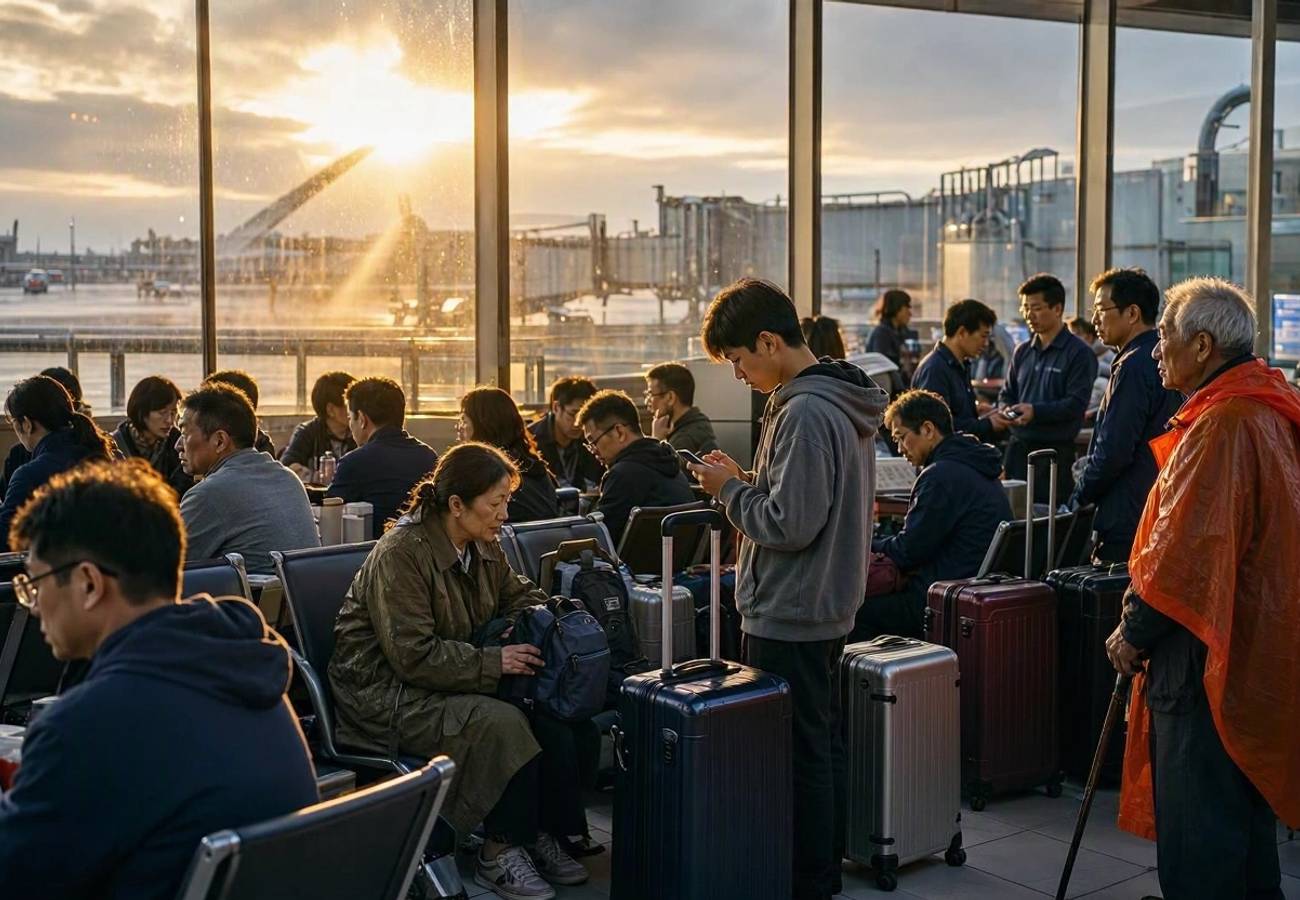
Image generated by AI
**> Quick Summary
- China Eastern Airlines: Ramping up frequencies on the transpacific route connecting Shanghai, Auckland, and Buenos Aires.
- Frequency & Date: Increasing from two to four weekly round trips starting December 5, 2026.
- Aircraft Capacity: Operated using Boeing 777-300ER long-range aircraft.
- Traveler Benefit: Offers flexible transit across three continents without connecting through North America or Europe.**
China Eastern Airlines will double flights on its Shanghai-Auckland-Buenos Aires route from two to four weekly round trips starting December 5, 2026. This landmark expansion on the Boeing 777-300ER service establishes a key transpacific corridor connecting Asia, Oceania, and South America.
Connecting Three Continents: The Auckland Aviation Stopover
Historically, traveling between East Asia and South America has presented significant logistical challenges. Passengers typically navigated complex itineraries transiting through congested hubs in Europe, North America, or the Middle East. By leveraging its strategic route through New Zealand, China Eastern Airlines offers a more direct, transpacific option that circumvents these traditional transit zones.
For international travelers, this route represents a dramatic reduction in travel times and a bypass of transit visa requirements associated with other regions. The stopover at Auckland Airport (AKL/NZAA) allows passengers to rest briefly before embarking on the next leg of their transpacific journey. The doubling of service to four weekly round trips provides business and leisure travelers with the flexibility needed to plan complex multi-continental travel.
Flight Schedule and Frequency Expansion
The expansion, scheduled to take effect on December 5, 2026, represents a significant capacity upgrade for one of the longest commercial air routes in the world. By doubling the frequency from two to four weekly flights, the airline aims to satisfy growing passenger and cargo demand across three continents. The route connects Shanghai Pudong International Airport (PVG/ZSPD), Auckland Airport (AKL/NZAA), and Buenos Aires Ezeiza International Airport (EZE/SAEZ).
The service is operated by the twin-engine Boeing 777-300ER, an aircraft designed for ultra-long-haul performance. The table below details the updated flight connectivity and routing details:
| Route Segment | Airport Codes | Weekly Frequency (Pre-Dec 2026) | New Weekly Frequency (From Dec 5, 2026) | Primary Aircraft |
|---|---|---|---|---|
| Shanghai to Auckland | PVG – AKL | 2 Round Trips | 4 Round Trips | Boeing 777-300ER |
| Auckland to Buenos Aires | AKL – EZE | 2 Round Trips | 4 Round Trips | Boeing 777-300ER |
| Shanghai to Buenos Aires | PVG – AKL – EZE | 2 Round Trips | 4 Round Trips | Boeing 777-300ER |
Cultural and Environmental Integration
Beyond increasing capacity, this three-continent route plays an essential role in fostering cultural exchange and supporting regional heritage. According to Tourism New Zealand, the increased connectivity assists in dispersing visitors to regional areas, directly supporting local economies. In Argentina, the National Institute of Tourism Promotion (INPROTUR) highlights the growing interest of Asian travelers in South American eco-tourism and cultural heritage.
For the conscious traveler, this route offers opportunities to participate in sustainable tourism practices. In New Zealand, visitors are encouraged to follow the Tiaki Promise, a commitment to care for the people, place, and culture. In Argentina, travelers can support community-run conservation programs in Patagonia, ensuring that tourism revenue directly benefits indigenous communities and local wildlife preserves. By offering a direct transpacific corridor, this flight path also reduces overall fuel emissions compared to multi-stop itineraries through the Northern Hemisphere.
Visitor Insider Tips for Three-Continent Travel
To make the most of this unique journey and navigate local environments smoothly, keep these practical visitor tips in mind:
- Identify Off-Peak Visit Windows: Visit Buenos Aires during the shoulder months of October to November or April to May, when the weather is mild and the crowds are smaller. For Auckland, the best time to explore is from March to May or September to November, avoiding the busy summer peak while enjoying pleasant temperatures.
- Observe Regional Etiquette: In Argentina, sharing mate is a deeply social ritual; never stir the bombilla (metal straw) once the water is poured, as it is considered impolite. In New Zealand, respect Māori cultural protocols (tikanga) when visiting sacred natural sites (tapu), such as refraining from climbing ancestral volcanic cones unless explicitly permitted.
- Savor Local Dining Specialties: In Buenos Aires, bypass tourist-heavy steakhouses and seek out traditional neighborhood parrillas in San Telmo for authentic grass-fed Argentine beef. In Auckland, visit the waterfront dining precincts to try fresh green-lipped mussels paired with regional Sauvignon Blanc.
- Explore Under-the-Radar Heritage Sites: In Buenos Aires, escape the city center to walk the quiet trails of the Reserva Ecológica Costanera Sur. In Auckland, take a short ferry ride to the historic seaside village of Devonport to explore the volcanic tunnels of North Head.
Economic and Regional Outlook
The expansion of this transpacific route is expected to strengthen international ties and boost regional tourism. With New Zealand acting as the central transit gateway, Auckland Airport will see an increase in transit passenger volume, cementing its status as a vital global aviation hub.
The increased flight frequency also provides a boost for trade and cargo transportation. The Boeing 777-300ER features significant belly-hold cargo capacity, allowing for the rapid exchange of goods between South America and Asia. This enhanced connectivity supports business travel, trade relationships, and international partnerships, fostering closer cooperation between the economic regions.
Frequently Asked Questions
When does China Eastern increase flights on the Shanghai-Auckland-Buenos Aires route? China Eastern Airlines will double flights on the route from two to four weekly round trips starting December 5, 2026, to accommodate passenger demand.
What aircraft operates the Shanghai-Auckland-Buenos Aires route? The long-haul three-continent route is operated using the Boeing 777-300ER aircraft, known for its long-range passenger comfort.
Why is Auckland Airport a key stopover on this route? Auckland Airport (AKL) acts as a strategic refuelling and transit hub, linking markets in Asia and South America that are otherwise separated by vast distances.
What are the main entry requirements for transiting via Auckland? Transit passengers must check New Zealand transit visa rules, as citizens of certain countries require a Transit Visa or a New Zealand Electronic Travel Authority (NZeTA) to transit through AKL.
Related Travel Guides
- Breaking Airline News: Severe Travel Chaos Averted as Atlanta Airport Deploys Massive Concourse D Expansion to Crush Passenger Gridlock
- Jetstar Launches Direct Christchurch to Cairns Flights to Bypass Travel Chaos and Spark Great Barrier Reef Tourism Frenzy for Summer 2026
- Air Transat Launches Historic Direct Montreal-Agadir Route to Defeat Transatlantic Travel Chaos
Disclaimer: Flight schedules and operational frequencies are subject to seasonal demand and airline updates. Verify all travel schedules, visa requirements, and transit policies with China Eastern Airlines prior to booking.
This article is for informational purposes. Flight routes, passenger regulations, visa rules, and transit advisories are subject to change by airlines and aviation authorities. Readers are advised to verify schedules and travel documentation with relevant carriers and border agencies before departure.
Related Stories
754 Flight Cancellations and 6,264 Delays Across Asia: Typhoon Champi Disrupts Air Travel in 2026

Inside New Zealand's Aviation Overhaul: Auckland's NZ$3.9B Terminal Unification and Regional Upgrades Across Aotearoa