
China Airlines A350 Ground Incident at Melbourne Airport Triggers ATSB Investigation Into Aircraft Handling Safety
ATSB investigates China Airlines A350 ground incident at Melbourne Airport involving aircraft rolling into jet bridge, prompting review of wide-body aircraft ground handling safety protocols.

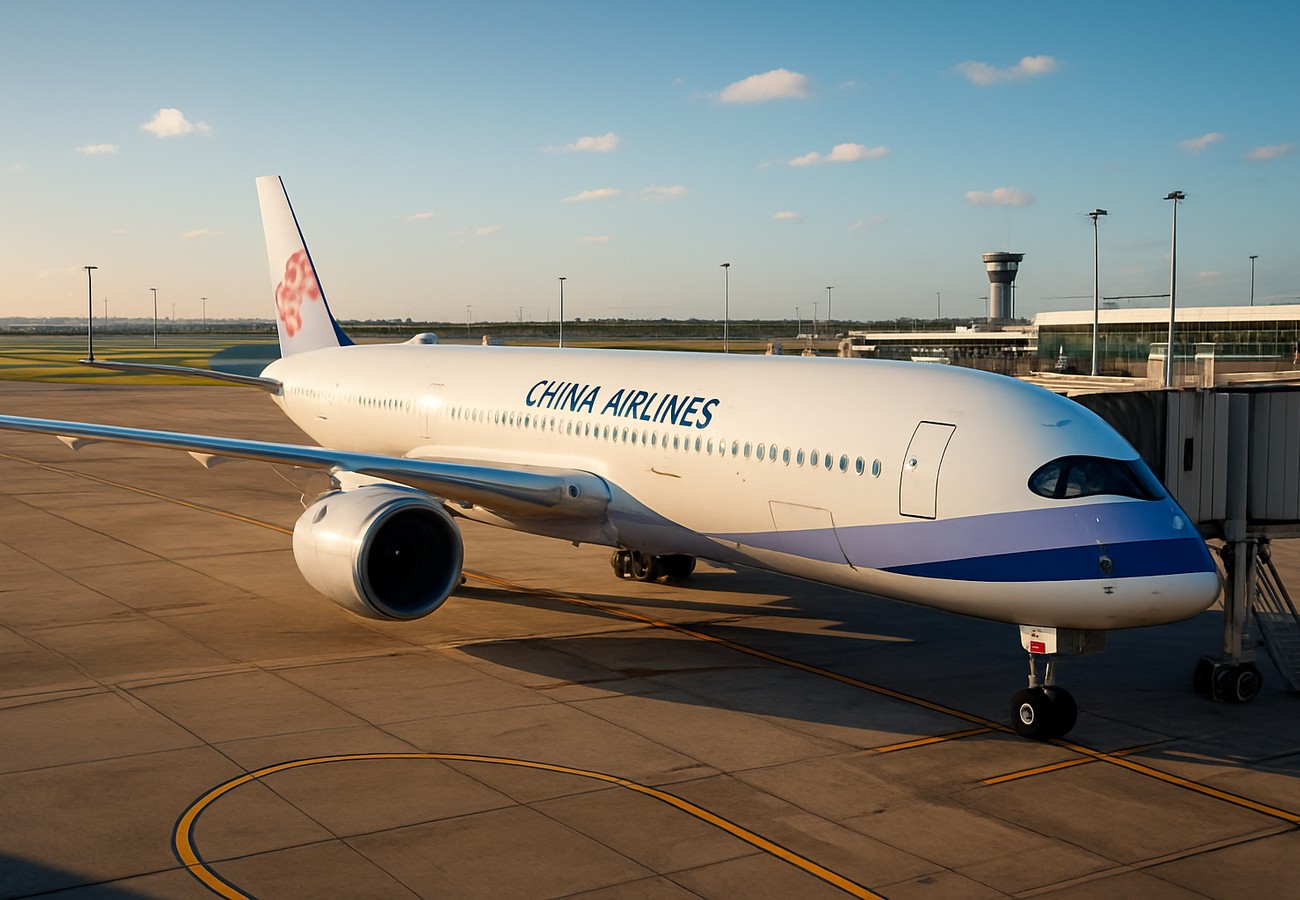
Image generated by AI
China Airlines A350 Ground Incident Sparks Safety Review
The Australian Transport Safety Bureau (ATSB) has launched a formal investigation into a significant ground handling incident involving a China Airlines Airbus A350-941 at Melbourne Airport. The incident, which occurred during routine ground operations, has intensified scrutiny on aircraft ground handling safety protocols and prompted a comprehensive review of procedures for managing wide-body aircraft at major international terminals.
The occurrence highlights critical gaps in ground operations standards and underscores the importance of rigorous adherence to aviation safety protocols maintained by national transport safety authorities globally to protect passengers, crew, and airport infrastructure.
What Happened: The Melbourne Airport Ground Incident
During routine ground operations at Melbourne Airport, China Airlines Flight CI58 (aircraft registration B-18902) unexpectedly rolled backward while parked at a gate. The aircraft collided with the attached jet bridge structure, causing substantial damage to the aircraft's forward left passenger door area and the aerobridge itself.
The incident did not involve an in-flight malfunction or operational flight concern. Rather, it occurred during ground handling procedures—a critical reminder that safety events can arise even when aircraft are stationary on the ground. The unexpected movement prompted an immediate response by airport staff and has since triggered a formal investigation by Australia's independent aviation safety body.
Damage Assessment and Immediate Response
The collision caused significant structural damage requiring:
- Technical assessment of the aircraft's forward left passenger door area
- Repair work to the jet bridge structure
- Comprehensive evaluation before the aircraft could return to service
ATSB Investigation: Scope and Methodology
The Australian Transport Safety Bureau, a statutory agency operating under the Transport Safety Investigation Act 2003, is responsible for civil aviation safety investigations across air, maritime, and rail sectors in Australia. The ATSB's mandate includes determining contributing factors to transport incidents and recommending safety actions to prevent recurrence.
Investigation Focus Areas
ATSB investigators are examining multiple technical and procedural aspects, including:
- Ground control procedures and coordination protocols
- Aircraft systems functionality and mechanical integrity
- Human-machine interfaces during ground operations
- Compliance with established safety regulations
- Parking brake engagement and verification procedures
- Wheel chock placement and effectiveness
- Ground equipment interface protocols
- Personnel training and adherence to standard operating procedures
Preliminary analysis focuses on understanding how the aircraft was secured, whether standard operating procedures for parking brakes and ground equipment were followed, and if any mechanical or procedural anomalies occurred.
Potential Regulatory Impact
The ATSB's findings could significantly affect how operators and ground handlers manage wide-body aircraft like the Airbus A350, especially during boarding, disembarkation, and terminal maneuvering phases. These recommendations will likely influence safety protocols across Australia's aviation industry and potentially inform international best practices.
China Airlines and Airbus A350 Operations
China Airlines operates several Airbus A350-900 aircraft as part of its long-haul fleet. The A350 series is designed to offer:
- Efficient fuel consumption
- Extended range capabilities
- Modern safety systems and avionics
While the A350 series maintains a strong safety record under normal flight operations, aviation regulators insist that both in-flight and on-ground procedures must consistently meet exacting standards.
Regulatory Compliance Framework
Regular maintenance and ground handling protocols are established by international aviation authorities, including the International Civil Aviation Organization (ICAO) and respective national civil aviation regulators, to ensure aircraft systems function correctly and safety procedures are rigorously enforced at every operational phase.
Melbourne Airport Safety Context
Melbourne Airport, one of Australia's busiest international gateways, adheres to stringent safety and operational protocols mandated by the Civil Aviation Safety Authority (CASA) and overseen by the ATSB when incidents occur. CASA sets aviation safety regulations within Australia, including aircraft ground movement, taxi operations, and aerodrome handling procedures.
Historical Safety Events at Melbourne Airport
Previous incidents at Melbourne Airport have drawn regulatory attention:
- 2023 Near-Miss Events: Two arriving large passenger jets passed perilously close to runway construction zones by operating with outdated runway length data
- Regulatory Response: Authorities reviewed safety communications and procedural adherence protocols
- Lesson Learned: These events emphasized that aviation safety must cover all aspects of flight activity—not only airborne operations but also ground handling, runway management, and accurate dissemination of critical operational information
Global Aviation Safety Regulatory Framework
The aviation safety ecosystem comprises multiple stakeholders working in concert:
Key Players:
- Aircraft manufacturers (e.g., Airbus) provide design specifications and maintenance guidelines
- Airlines implement operational procedures based on manufacturer recommendations and regulatory requirements
- Ground handlers execute parking, boarding, and equipment interface procedures
- National civil aviation authorities establish and enforce safety standards
- International organizations like ICAO develop harmonized safety protocols
Compliance Requirements: Airlines like China Airlines must continuously certify compliance with safety standards established by ICAO, national civil aviation authorities, and transport safety agencies.
Ground Handling Risks and Best Practices for Wide-Body Aircraft
Ground handling of wide-body aircraft carries unique challenges due to aircraft size, weight, and equipment interfaces like aerobridges. Secure parking involves multiple mechanical and procedural safeguards:
Essential Safety Measures:
- Parking brake engagement verification
- Wheel chock placement and positioning
- Ground personnel coordination and communication
- Aircraft marshalling technique compliance
- Equipment interface stability checks
- Environmental factor assessment (wind, surface conditions)
Any deviation from established procedures can increase risk, necessitating formal safety investigations. Aviation safety regulators worldwide monitor trends from such incidents to refine recommendations for handling large aircraft in busy airport environments.
Global Aviation Safety Implications
While the China Airlines A350 ground incident focuses on a specific occurrence at Melbourne Airport, authorities use such events to enhance safety frameworks globally. National investigation reports serve to highlight risk factors and generate timely, evidence-based safety improvements across international aviation networks.
International Regulatory Response
Investigative outcomes contribute to updated guidance from civil aviation authorities including:
- Federal Aviation Administration (FAA)
- European Union Aviation Safety Agency (EASA)
- International Civil Aviation Organization (ICAO)
These updated standards help improve handling procedures and operator training worldwide, creating a continuous cycle of safety enhancement across the global aviation industry.
What This Means for Travelers
While ground handling incidents are rare, this investigation reinforces the multi-layered safety systems protecting passengers:
- Rigorous oversight: Independent agencies like the ATSB investigate all significant incidents
- Continuous improvement: Safety findings drive procedural updates across the industry
- Manufacturer standards: Aircraft like the A350 undergo extensive design and operational testing
- Regulatory compliance: Airlines must maintain certification across all operational phases
Travelers can be assured that such incidents trigger comprehensive investigations and lead to enhanced safety protocols, ensuring that lessons learned benefit the entire aviation community.
Conclusion: Strengthened Ground Safety Standards
The China Airlines A350 ground incident at Melbourne Airport underscores that aviation safety extends well beyond flight operations. Ground handling procedures, equipment maintenance, personnel training, and procedural adherence are equally critical to passenger safety and aircraft integrity.
The ATSB investigation will provide valuable insights into the contributing factors and will likely result in enhanced safety recommendations that strengthen ground handling protocols across Australia and inform international best practices. As aviation continues to grow globally, maintaining rigorous standards for all operational phases—from takeoff to landing to ground operations—remains essential to the industry's exemplary safety record.
Related Travel Guides
Disclaimer
This article is for informational and educational purposes only. It does not constitute legal, financial, or professional advice. While we strive to provide accurate and up-to-date information, travel policies, regulations, and conditions change rapidly. Always verify information with official sources before making travel decisions. Nomad Lawyer makes no representations about the accuracy, reliability, completeness, or suitability of the information provided. Readers should consult qualified professionals for advice specific to their circumstances. The views expressed in this article are those of the author and do not necessarily reflect the views of Nomad Lawyer.
Kunal K Choudhary
Co-Founder & Contributor
A passionate traveller and tech enthusiast. Kunal contributes to the vision and growth of Nomad Lawyer, bringing fresh perspectives and driving the community forward.
Learn more about our team →