
Chicago O'Hare Meltdown Cascades Across US and Transatlantic Routes
A cascading operational collapse at Chicago O'Hare in April 2026 triggers widespread disruptions across US domestic networks and transatlantic routes to Europe, affecting thousands of travelers.

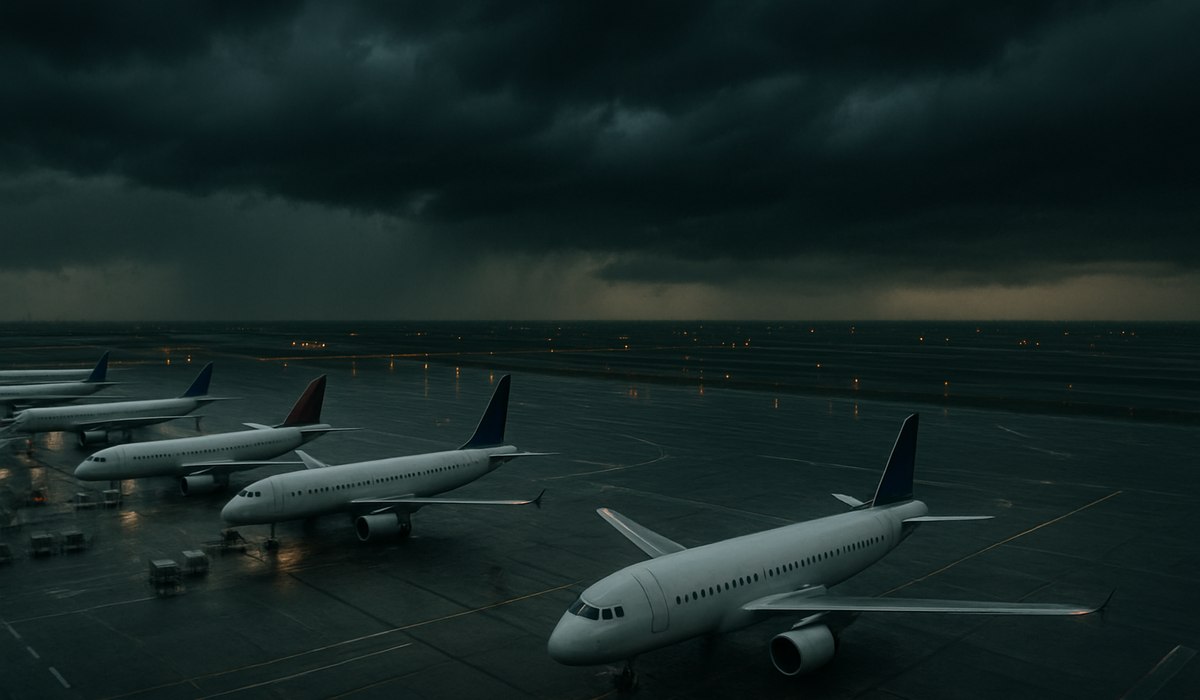
Image generated by AI
Chicago O'Hare Meltdown Sends Cascading Delays Across Continental Networks
Chicago O'Hare International Airport experienced a severe operational breakdown in early April 2026, triggering one of the most significant airport disruption events of the spring travel season. The crisis stemmed from a devastating combination of spring thunderstorms and acute staffing shortages in critical operational roles. Within hours, the Chicago O'Hare meltdown rippled outward, creating flight delays across major US hubs and disrupting transatlantic services to Europe. Thousands of travelers faced cancellations, missed connections, and unexpected overnight stays as airlines scrambled to restore network stability.
Perfect Storm: Thunderstorms Meet Staffing Strains
The Chicago O'Hare meltdown emerged from converging operational pressures that overwhelmed the airport's capacity to manage normal traffic volumes. Severe spring thunderstorms battered the Chicago region throughout late March and into early April, repeatedly forcing ground stops and implementing arrival/departure flow restrictions at one of North America's busiest aviation hubs.
Flight-tracking data confirmed that weather-related backlogs accumulated rapidly, with dozens of aircraft diverted to alternate airports and crews timing out as flights sat on tarmacs. Meanwhile, publicly documented staffing shortage issues compounded the weather crisis. Air traffic control positions operated below optimal staffing levels, ramp operations struggled with crew availability, and gate-handling services fell behind schedule as the backlog grew exponentially.
Airlines responded by issuing broad travel waivers for Chicago-origin and Chicago-bound passengers—a move typically reserved for catastrophic disruptions. These waivers allowed customers to rebook without standard change fees, signaling carrier expectations of extended irregular operations. For more on navigating airline policies during disruptions, visit the US Department of Transportation's airline passenger rights guide.
How O'Hare's Breakdown Cascaded Across US Hubs
The airport disruption at Chicago O'Hare didn't remain contained within Illinois. As a central hub for multiple airline networks, disruptions cascaded instantly to connecting cities nationwide. Atlanta, New York LaGuardia, Boston, and dozens of secondary markets experienced rolling flight delays as aircraft and crews arrived out of sequence from disrupted Chicago connections.
Flight-status monitoring systems revealed a domino effect: planes scheduled to originate in Chicago arrived hours late, forcing airlines to consolidate departures, swap aircraft, or cancel flights outright. Cities with clear skies—including Nashville, Memphis, and Kansas City—still experienced significant delays because their aircraft were stranded in Chicago or en route to the Midwest hub.
Passengers on routine routes unaffected by weather encountered unexpected delays as airline crews and equipment remained out of position. Many travelers were consolidated onto later flights, with some experiencing overnight layovers they hadn't anticipated. The airport disruption demonstrated how tightly coupled modern hub-and-spoke networks have become, with single-point failures triggering network-wide consequences.
Transatlantic Routes Feel the Ripple Effect
The crisis extended far beyond North American borders. Evening transatlantic departures from Chicago rely on precise aircraft rotations from domestic feeder flights throughout the day. When those domestic flights fell hours behind schedule, long-haul transatlantic services missed their assigned departure slots at Chicago and other US hubs feeding European connections.
Flight-tracking data from major European airports—including London Heathrow, Frankfurt, and Amsterdam—showed delayed arrivals from United States gateways. Some services experienced transatlantic impact delays exceeding 6-8 hours, pushing departures well into night hours and disrupting the carefully choreographed bank-and-spoke connection windows European hubs rely upon.
Passengers connecting through Frankfurt or Amsterdam to regional European cities reported missed same-day onward connections. Airlines rebooked affected travelers on flights departing 24-48 hours later, converting short European layovers into extended unplanned stays. The disruption highlighted how North American operational crises propagate to European networks within hours, affecting travelers on both continents simultaneously. For current transatlantic travel conditions, the European Commission's aviation safety portal provides real-time operational updates.
What Travelers Need to Know Now
Travel disruption recovery from the Chicago O'Hare meltdown progressed through mid-April 2026. Airlines progressively restored normal scheduling after implementing capacity reductions and focusing resources on core trunk routes. However, residual impacts persisted for several days as aircraft rotations normalized and crews returned to standard patterns.
Travelers with Chicago connections during April 2026 faced elevated cancellation risks and unpredictable delays. Many carriers extended travel waivers through April 15, allowing flexible rebooking and fee waivers for affected passengers. Customers holding tickets for Chicago-origin or Chicago-connecting flights were encouraged to monitor airline communications closely and contact carriers proactively before traveling.
For future travel planning, the crisis underscored the importance of building schedule buffers around major hubs during spring storm season. Passengers with tight connections should consider routing through alternative hubs or selecting flights with longer layover windows. Travel insurance covering operational disruptions became increasingly valuable for springtime travelers. Monitoring real-time conditions through the FAA's flight delay information system provides crucial decision-making data for those planning Chicago connections.
Key Operational Impact Data
| Metric | Details |
|---|---|
| Primary Disruption Location | Chicago O'Hare International Airport (ORD) |
| Duration | April 2-8, 2026 (peak crisis period) |
| Root Causes | Spring thunderstorms + air traffic control staffing shortage |
| Affected Hubs | Atlanta, LaGuardia, Boston, Nashville, Memphis, Kansas City |
| Transatlantic Impact | Delays to London, Frankfurt, Amsterdam (6-8+ hours typical) |
| Traveler Response | Broad travel waivers issued; 1000+ daily cancellations at peak |
| Recovery Timeline | Gradual normalization April 8-15 |
| Network Vulnerability | Hub-and-spoke concentration amplifies cascading failures |
FAQ: Chicago O'Hare Meltdown April 2026
What caused the Chicago O'Hare meltdown in April 2026? Severe spring thunderstorms combined with documented air traffic control and ramp operations staffing shortage at O'Hare overwhelmed the airport's capacity. The concurrent weather and personnel constraints created a cascading operational failure affecting the entire US network.
Did the Chicago O'Hare meltdown affect transatlantic flights to Europe? Yes. Evening transatlantic departures rely on domestic Chicago feeder flights. The Chicago O'Hare meltdown delayed aircraft rotations, causing transatlantic departures to miss assigned slots and experience 6-8 hour delays to European hubs including London, Frankfurt, and Amsterdam.
How long did flight delays last after the Chicago O'Hare meltdown? Peak disruption lasted April 2-8, 2026. However, residual delays persisted through mid-April as aircraft rotations and crew scheduling normalized. Some flights experienced impacts for 10+ days as the network gradually recovered.
What should travelers do if their flight connects through Chicago during future disruptions? Monitor airline communications constantly, build 3+ hour buffers for Chicago connections, consider alternative routing, and purchase travel insurance covering operational disruptions. Contact your airline proactively if disruptions are forecast.
What This Means for Travelers
The Chicago O'Hare meltdown illustrates critical vulnerabilities in interconnected airline networks. When major hubs
Disclaimer
This article is for informational and educational purposes only. It does not constitute legal, financial, or professional advice. While we strive to provide accurate and up-to-date information, travel policies, regulations, and conditions change rapidly. Always verify information with official sources before making travel decisions. Nomad Lawyer makes no representations about the accuracy, reliability, completeness, or suitability of the information provided. Readers should consult qualified professionals for advice specific to their circumstances. The views expressed in this article are those of the author and do not necessarily reflect the views of Nomad Lawyer.
Raushan Kumar
Founder & Lead Developer
Full-stack developer with 11+ years of experience and a passionate traveller. Raushan built Nomad Lawyer from the ground up with a vision to create the best travel and law experience on the web.
Learn more about our team →