
Chicago O'Hare and Atlanta Hartsfield-Jackson Lead 2026 US International Air Travel Surge
New 2026 aviation data reveals Chicago O'Hare and Atlanta Hartsfield-Jackson as the primary drivers of US international tourism growth, outpacing other major hubs.

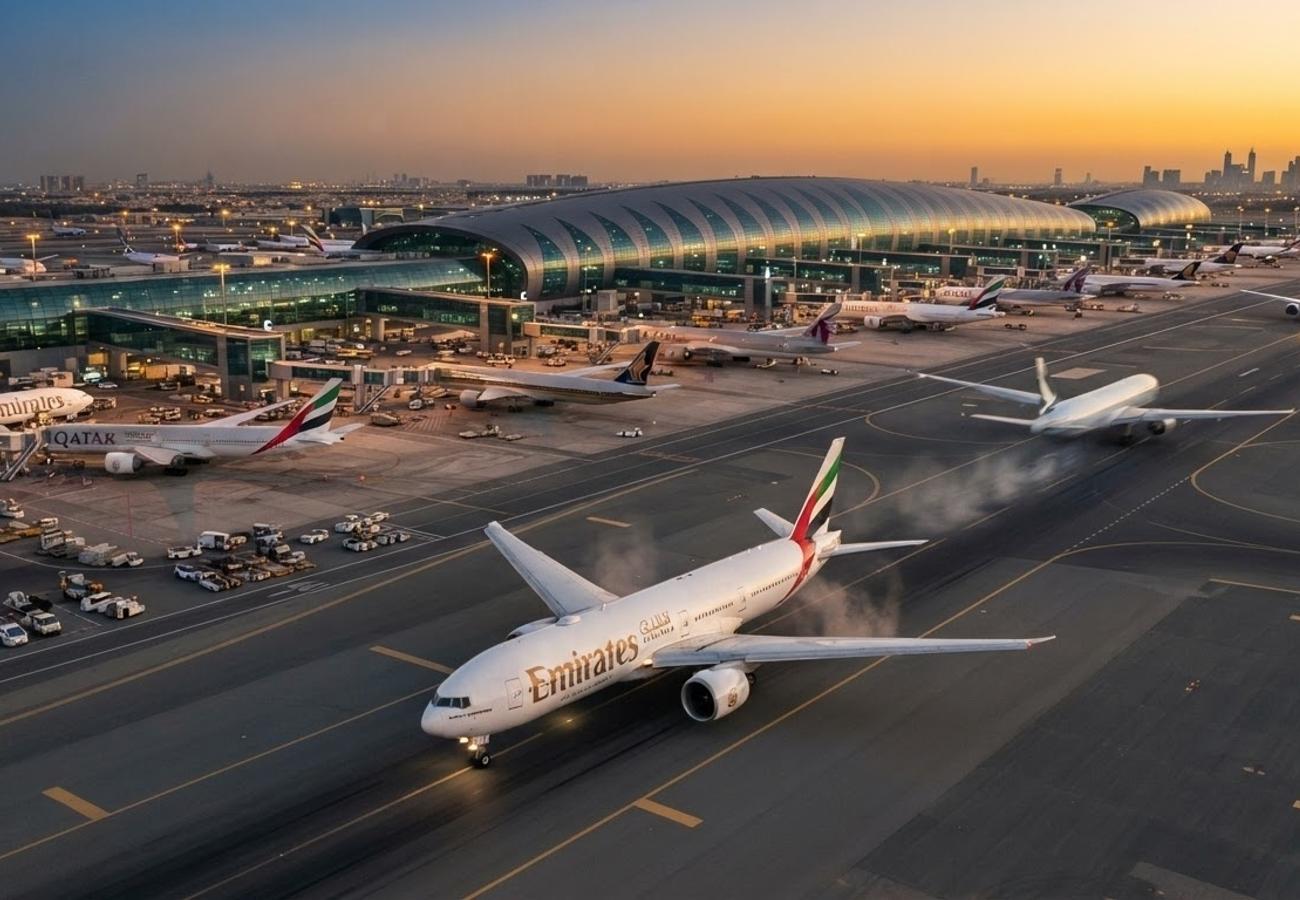
Image generated by AI
International tourism in the U.S. is seeing a stark divergence in 2026, with Chicago O’Hare and Hartsfield-Jackson Atlanta emerging as the only major hubs posting peak growth in overseas traffic. While other domestic gateways struggle with stagnation, these two mid-continent and southern giants are capturing a disproportionate share of global arrivals.
Diverging Growth Patterns Across US Gateways
Recent data from the first half of 2026 indicates a widening gap between the performance of Chicago and Atlanta and their domestic counterparts. While North American passenger counts experienced a slight softening in 2025, federal aviation statistics and Airports Council International (ACI) datasets show a contrasting trend at these two specific hubs.
The international component of traffic at O'Hare and Hartsfield-Jackson is expanding more rapidly than at other U.S. gateways, particularly across transatlantic and Latin American corridors. This shift suggests a strategic realignment of how international travelers enter and navigate the United States.
According to the ACI 2026 World Airport Traffic Dataset (finalizing 2025 figures in July 2026), both airports remain among the world's busiest. While Atlanta maintains its lead in total passenger volume, Chicago has significantly strengthened its position regarding aircraft movements.
Chicago O’Hare: The Midwest's Global Entry Point
Chicago O’Hare’s recent surge is largely the result of network rebalancing and the adoption of new aircraft technology. The airport climbed to the top global position for aircraft movements in 2025, recording over 850,000 takeoffs and landings—a double-digit increase over 2024 levels.
This growth is fueled by two primary factors:
- Advanced Fleet Deployment: The use of fuel-efficient, twin-engine widebody jets has allowed carriers to link secondary cities in Europe and Asia directly to the Midwest, bypassing traditional East Coast hubs like New York.
- Network Restoration: The aggressive restoration of pre-pandemic long-haul routes to Asia and Europe has solidified O'Hare's role as a primary point of entry.
Because of its central geographic location, O'Hare serves as a highly efficient transit point for international tourists heading to interior destinations such as St. Louis, Detroit, or Minneapolis, reducing total travel time compared to coastal routing.
Atlanta's Strategy as a Global Mega Hub
Hartsfield-Jackson Atlanta continues to dominate global passenger rankings, processing more than 100 million travelers in 2025. While historically dependent on domestic transfers, the airport has pivoted toward deepening its international flows throughout late 2025 and 2026.
Atlanta has achieved this through steady seat growth on routes serving:
- Western Europe: Increased frequencies to major capitals.
- The Americas: Expanded capacity to Mexico, the Caribbean, and key South American hubs.
The airport's "bank structure" allows airlines to synchronize long-haul arrivals with domestic departures, making it the premier gateway for European travelers visiting Florida or the Carolinas. Rather than adding new domestic routes, Atlanta's recent development has focused on thickening these high-value international corridors.
Why Coastal Hubs are Falling Behind
The success of Chicago and Atlanta contrasts with the muted results seen at other major gateways, including Los Angeles, Miami, Denver, and Dallas Fort Worth. While these airports still handle massive volumes, their year-on-year growth in international enplanements has flattened.
Several systemic issues are contributing to this lag:
- Infrastructure Constraints: Airspace congestion and ongoing terminal redevelopment projects at coastal airports have limited the ability of airlines to add new international services.
- Market Fragmentation: Some regions have multiple international gateways competing for the same catchment area, spreading tourism flows thin rather than consolidating them.
- Domestic Softness: With a slight regional decline in domestic volumes in 2025, airports that lack a robust international segment have seen their overall totals suffer.
Strategic Implications for 2026-2027 Travelers
For those planning U.S. trips in late 2026 and 2027, the concentration of capacity in Chicago and Atlanta offers tangible benefits. Travelers can expect a wider array of nonstop flight options and potentially more competitive pricing due to increased seat capacity.
Those visiting the Great Lakes or Midwest region will find O'Hare an increasingly efficient first stop. Meanwhile, visitors targeting the American South or the Caribbean will find Atlanta's expanded widebody service and connection timings more advantageous than ever.
International Traffic Performance Summary (2025-2026)
| Airport | Primary Growth Driver | 2025 Key Metric | 2026 Trend |
|---|---|---|---|
| Chicago O'Hare | Aircraft Movements / New Fleet | 850,000+ movements | Double-digit growth |
| Hartsfield-Jackson Atlanta | Total Passenger Volume | 100 Million+ passengers | Strategic Int'l expansion |
| Other Major Hubs | High Base Volume | Stable/High | Flat or declining growth |
Key Takeaways
- Dominant Hubs: Chicago and Atlanta are the only major U.S. airports showing peak international tourism growth in 2026.
- Fleet Impact: New-generation long-range aircraft are enabling O'Hare to bypass East Coast gateways for European and Asian routes.
- Strategic Shift: Atlanta is prioritizing high-value international "trunk" routes over domestic expansion.
- Infrastructure Gaps: Coastal airports are hindered by congestion and construction, allowing mid-continent hubs to capture more market share.
FAQ
Why is Chicago O'Hare seeing more international growth than New York? O'Hare is benefiting from new fuel-efficient aircraft that allow airlines to fly nonstop from secondary European and Asian cities to the Midwest, reducing the need to transit through coastal hubs.
Is Atlanta still primarily a domestic airport? While it remains the world's busiest for total passengers, Atlanta has strategically shifted its focus toward increasing seat capacity and frequency for Western Europe and South America.
How does this affect flight prices for international travelers? Increased capacity and more nonstop options at Chicago and Atlanta typically lead to more competitive fares and shorter overall travel durations.
The shift toward central U.S. hubs marks a new era in global aviation connectivity.
Related Travel Guides
Disclaimer
This article is for informational and educational purposes only. It does not constitute legal, financial, or professional advice. While we strive to provide accurate and up-to-date information, travel policies, regulations, and conditions change rapidly. Always verify information with official sources before making travel decisions. Nomad Lawyer makes no representations about the accuracy, reliability, completeness, or suitability of the information provided. Readers should consult qualified professionals for advice specific to their circumstances. The views expressed in this article are those of the author and do not necessarily reflect the views of Nomad Lawyer.
Preeti Gunjan
Contributor & Community Manager
A passionate traveller and community builder. Preeti helps grow the Nomad Lawyer community, fostering engagement and bringing the reader experience to life.
Learn more about our team →