
Charlotte Flight Disruptions April 2026: 200+ Delays at Douglas Hub
Over 200 flights delayed at Charlotte Douglas International Airport in April 2026, cascading disruptions across U.S. aviation. American Airlines, Delta, and Southwest affected hundreds of travelers.

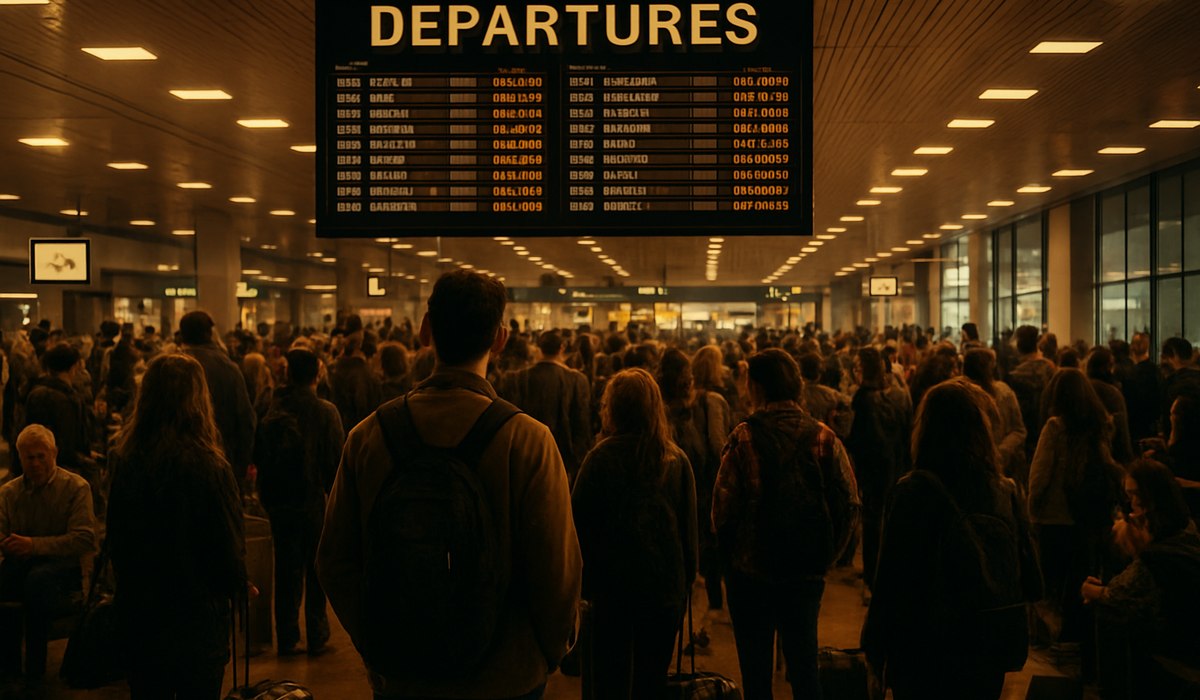
Image generated by AI
Charlotte Flight Disruptions Create Cascading Travel Chaos Across U.S.
Charlotte Douglas International Airport experienced a significant operational disruption on April 15, 2026, when charlotte flight disruptions left hundreds of travelers stranded. More than 200 flights faced delays while one cancellation was recorded, affecting American Airlines, Delta Air Lines, Southwest Airlines, and other carriers operating at North Carolina's busiest aviation hub. The incident rippled through the domestic and international network, demonstrating how problems at major hubs amplify across the U.S. aviation system.
Widespread Disruptions Across Charlotte's Major Hub
Charlotte Douglas International Airport serves as a critical connection point between Southeast destinations and major cities nationwide, plus key international markets. When operational challenges occur here, the effects spread rapidly through connecting flights and downstream operations.
On April 15, flight-tracking data documented 216 delayed departures and arrivals alongside one cancellation during a single operating window. American Airlines bore the heaviest impact given its substantial presence at the hub. Delta Air Lines, Southwest Airlines, United Airlines, and other operators also reported schedule irregularities spanning early morning through afternoon banking periods.
The disruption created extended waits at customer-service counters and triggered widespread rebooking efforts. Passengers faced uncertainty about downstream connections while ground crews struggled to manage congested gates and taxiways. The airport's infrastructure constraints became evident as accumulated delays overwhelmed recovery capabilities. Many travelers experienced delays exceeding two hours, with some facing cancellations affecting their entire itineraries.
Weather patterns, air-traffic flow program adjustments, and ground operations likely contributed to the cascade, though no single cause was immediately confirmed. The incident underscores Charlotte's vulnerability as a connecting hub where delays originating elsewhere frequently propagate through its banked flight structure.
Cascading Effects Ripple Through U.S. Aviation System
Hub disruptions create predictable bottlenecks across North America's aviation network. Aircraft scheduled for multiple daily segments cannot absorb delays without pushing back subsequent departures. Crew scheduling constraints compound the problem, as crews must rest between flights per federal regulations.
A delayed inbound aircraft from another major airport means cancellation risks for downline flights scheduled within tight turnaround windows. When crews remain on duty longer than planned, their legal flight-hour limits tighten, triggering additional cancellations elsewhere.
The April 15 charlotte flight disruptions demonstrated this vulnerability clearly. Initial delays at Charlotte fed into afternoon flights destined for New York, Atlanta, and Chicago. Evening departures experienced pushed-back schedules as aircraft repositioned from disrupted morning segments. International services to London and Toronto encountered knock-on delays, particularly where inbound equipment arrived late from delayed domestic feeder flights.
Industry analysts note that U.S. aviation currently operates near maximum capacity during peak hours. Even brief bottlenecks at major hubs trigger system-wide congestion lasting hours. Construction projects, gate restrictions, and staffing limitations at Charlotte further constrain recovery speed once delays begin accumulating.
Key Routes and Airlines Impacted
Short-haul corridors experienced the most visible disruption on April 15. Flights between Charlotte and New York encountered departure delays averaging 45 minutes, affecting business travelers relying on tight connections at LaGuardia, Newark, and JFK. The New York market represents Charlotte's highest-traffic short-haul segment, amplifying passenger impact.
Atlanta routes saw significant ground time extensions as both hubs absorbed schedule irregularities. Charlotte-Chicago flights on carriers including American and Southwest faced delays affecting travelers heading to O'Hare and Midway. These three markets—New York, Atlanta, and Chicago—account for approximately 40% of Charlotte's domestic traffic.
International service degradation proved significant despite lower flight volumes. Transatlantic routes to London Heathrow and London Gatwick reported extended departure estimates, particularly for evening and overnight flights. Toronto routes operated by multiple carriers experienced cascading delays as inbound aircraft from delayed domestic segments assumed late-arriving status.
The following carriers reported schedule impacts:
- American Airlines (most affected)
- Delta Air Lines
- Southwest Airlines
- United Airlines
- Air Canada
Ground personnel at Charlotte worked extended shifts attempting damage control, but the sheer volume of affected flights exceeded immediate rebooking capacity.
Live Tracking and Real-Time Updates
Travelers experienced significant challenges obtaining accurate delay information during the April 15 incident. Official airport channels became overwhelmed with inquiries. Real-time tracking through independent services proved more reliable than airline phone lines and airport information systems.
FlightAware tracked the incident extensively, documenting delay patterns, route impacts, and recovery progression. The platform showed 216 concurrent delays during peak disruption hours, with some flights experiencing gate holds exceeding 90 minutes.
Passengers tracking individual flights on FlightAware could observe whether aircraft were delayed on inbound legs or held for crew scheduling reasons. This transparency helped some travelers make rebooking decisions more confidently. The Federal Aviation Administration FAA issued Ground Delay Programs affecting Charlotte-bound traffic during peak disruption hours.
Direct airline apps functioned inconsistently, with several experiencing processing delays or crashes from excessive user traffic. Travelers who regularly use airline applications reported difficulty accessing real-time seat maps and rebooking functions. This technical limitation compounded passenger frustration during the disruption event.
Important Passenger Rights and Compensation
The U.S. Department of Transportation enforces passenger protection regulations requiring airlines to provide accommodations for delayed and canceled flights under specific circumstances. The U.S. Department of Transportation oversees airline consumer protection standards.
Passengers experiencing delays exceeding three hours on flights 250+ miles received compensation eligibility depending on delay cause determination. Domestic delays over two hours generally entitle passengers to meal vouchers and rebooking on next-available flights. Airlines must provide this assistance regardless of whether they caused the disruption.
Canceled flights trigger automatic rebooking obligations on the same airline or competitor airlines at no additional charge. Airlines must offer hotel accommodations and ground transportation for overnight delays when flights are disrupted between 10 p.m. and 6 a.m. international services warrant higher compensation levels—up to $2,700 for transatlantic disruptions exceeding three hours.
However, "acts of God" including severe weather and air-traffic control decisions exempt airlines from financial compensation obligations. April 15's disruption cause determination would affect ultimate compensation eligibility. Passengers should document their specific delays and request written cause statements from airlines to support future compensation claims.
| Disruption Metric | Details |
|---|---|
| Total Flights Delayed | 216 flights |
| Cancellations Recorded | 1 cancellation |
| Primary Hub | Charlotte Douglas International Airport |
| Most Impacted Airline | American Airlines |
| Secondary Carriers Affected | Delta, Southwest, United |
| Key Impacted Routes | Charlotte-New York, Charlotte-Atlanta, Charlotte-Chicago |
| International Routes Affected | Charlotte-London, Charlotte-Toronto |
| Average Delay Duration | 45-120 minutes (varies by route) |
| Peak Disruption Period | Early morning through afternoon banking |
| Contributing Factors | Air-traffic flow programs, infrastructure constraints, possible weather |
What Travelers Should Know
Charlotte Douglas International Airport handles approximately 47 million annual passengers, making it the 10th busiest U.S. airport by traffic volume. April 15's incident represents a significant but not unprecedented disruption. Understanding how such incidents propagate helps travelers make better decisions.
The airport's banked flight structure—where banks of flights depart in coordinated waves—means single disruptions affect dozens of downstream flights. Morning delays cascade into afternoon departures, then evening services. Passengers booked on flights 4-6 hours after the initial disruption experience secondary impacts.
Passengers currently booked on flights from or through Charlotte should monitor delay status via [FlightAware](https://fl
Disclaimer
This article is for informational and educational purposes only. It does not constitute legal, financial, or professional advice. While we strive to provide accurate and up-to-date information, travel policies, regulations, and conditions change rapidly. Always verify information with official sources before making travel decisions. Nomad Lawyer makes no representations about the accuracy, reliability, completeness, or suitability of the information provided. Readers should consult qualified professionals for advice specific to their circumstances. The views expressed in this article are those of the author and do not necessarily reflect the views of Nomad Lawyer.
Preeti Gunjan
Contributor & Community Manager
A passionate traveller and community builder. Preeti helps grow the Nomad Lawyer community, fostering engagement and bringing the reader experience to life.
Learn more about our team →