
Charleston Travel Surge Powered by Living Heritage and Coastal Appeal
Charleston leverages historic preservation at Rainbow Row and outdoor adventure at Folly Beach to drive premium domestic and global travel growth.

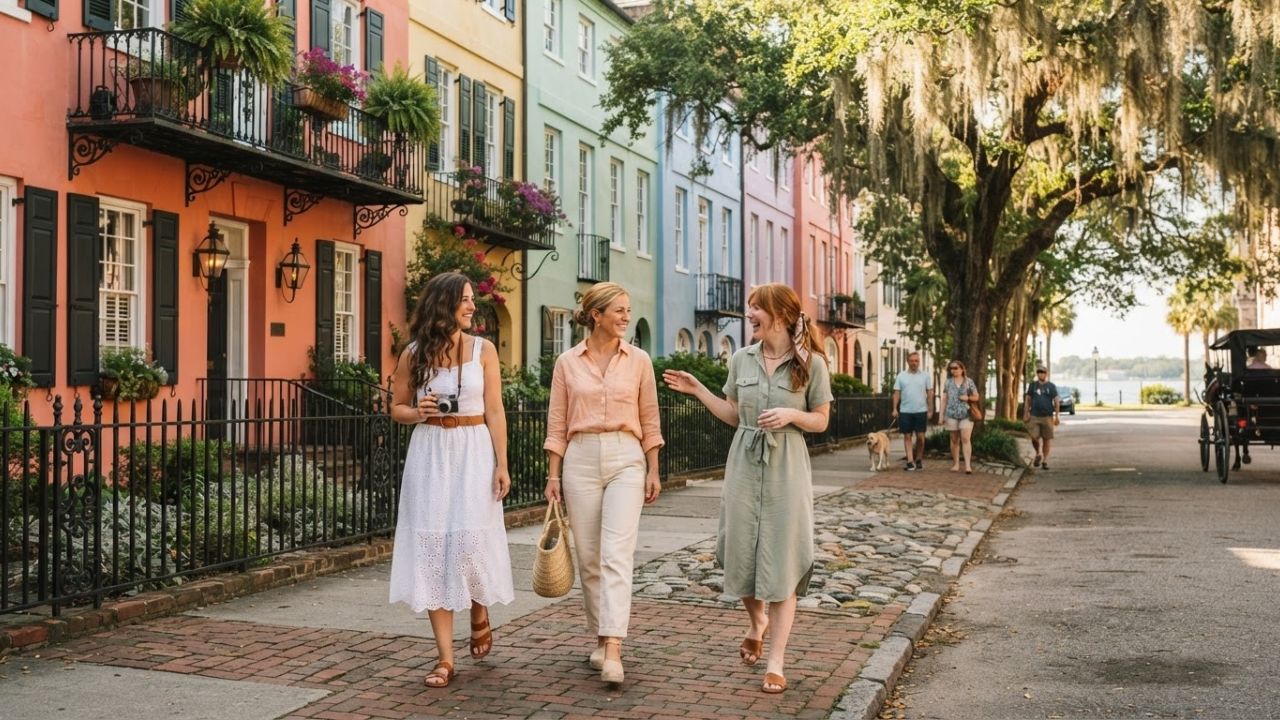
Image generated by AI
The coastal city of Charleston, South Carolina, has entered a dynamic phase of travel growth as the South Carolina Department of Parks, Recreation and Tourism champions a heritage-focused promotion campaign. Highlighting iconic sites like Rainbow Row and the adjacent sands of Folly Beach, the initiative connects historical preservation with modern coastal lifestyle, attracting domestic and international visitors seeking authentic Southern experiences.
The Lowcountry Travel Boom in 2026
Charleston's visitor economy is experiencing a massive shift in how travelers engage with the region. Instead of traditional passive sightseeing, travelers increasingly seek deep connections with local culinary history, community preservation, and natural coastal environments. This travel surge is driven by visual storytelling on digital platforms, which showcases the distinct aesthetic of the historic peninsula and surrounding barrier islands. Visitors now prioritize finding unique perspectives on the destination rather than just checking off popular landmarks.
According to data from the South Carolina Department of Parks, Recreation and Tourism, the regional travel economy benefits from extended stays, with visitors spending more at local businesses, boutique accommodations, and independent tour outfits. The city’s walkable design makes it an ideal destination for slow travel, allowing visitors to discover historic neighborhoods, secret gardens, and waterfront parks at a leisurely pace. This slow travel trend helps reduce congestion on the narrow historic streets while encouraging travelers to patronize under-the-radar shops and restaurants.
Rather than concentrating visitors in a few crowded blocks, local tourism strategies encourage travelers to explore the wider Lowcountry region. This dispersion of visitor traffic supports businesses in surrounding communities like West Ashley and Park Circle, providing a more balanced economic impact across the county. The integration of urban history, culinary excellence, and coastal recreation gives the region a competitive edge in the crowded domestic leisure market, drawing interest from diverse traveler demographics.
Rainbow Row and the Preservation Model
Located along East Bay Street, Rainbow Row is a collection of thirteen pastel-colored historic homes that serves as a visual symbol of Charleston. These homes, dating back to the mid-eighteenth century, represent the city's colonial-era waterfront trade and its pioneering efforts in historic preservation. During the twentieth century, these run-down commercial buildings were restored and painted in vibrant colors, starting a preservation movement that defined the city's modern identity.
For travelers, walking along East Bay Street offers an educational experience in architecture and preservation. The preservation of Rainbow Row demonstrates how a community can protect its physical history while adapting to modern residential and commercial needs. Rather than turning the area into a static museum, these historic homes remain active parts of the city’s urban fabric, showing that history is a living element of daily life.
Local heritage organizations and historical societies emphasize the importance of understanding the complex history behind these structures. Visitors are encouraged to take walking tours led by certified local guides who share stories of the merchants, enslaved workers, and preservationists who shaped the waterfront. This focus on historical accuracy and storytelling helps maintain the authenticity of the visitor experience, providing context that goes beyond the colorful facades.
Folly Beach and Ecological Stewardship
Just fifteen miles from the historic center, Folly Beach offers a relaxed seaside environment that complements the urban heritage of the peninsula. Known as the "Edge of America," the barrier island is popular for surfing, kayaking, and coastal walks. However, the island's popularity requires active management to protect its delicate coastal ecosystem from the impacts of erosion and climate change.
Because the Charleston Harbor jetties block the natural drift of sand down the coast, Folly Beach experiences significant erosion. To address this challenge, the city collaborates with the U.S. Army Corps of Engineers on beach renourishment projects. These initiatives restore the shoreline, protect coastal infrastructure, and rebuild the sand dunes that act as natural barriers against storm surges, ensuring the beach remains a habitat for wildlife and a recreation area for visitors.
Additionally, the city has implemented nature-based solutions like living shorelines at Folly River Park. By using native marsh grasses and oyster reef structures, these projects stabilize the shoreline, filter water, and create habitats for marine life. These ecological initiatives demonstrate how a popular beach destination can balance recreational tourism with environmental restoration, showing that local communities are actively working to protect their natural resources.
Sustainable Coastal Travel in Practice
Sustainable travel in the Lowcountry depends on active visitor participation in conservation practices. During the loggerhead sea turtle nesting season, which runs from May 1 to October 31, local turtle patrol organizations work to protect nesting sites along the beach. Visitors must turn off outdoor lights and avoid using bright flashlights on the beach at night to prevent disorienting nesting turtles and hatchlings, who rely on natural light to find the ocean.
Another important rule for beachgoers is to fill in any holes dug in the sand before leaving. Large holes pose a significant hazard to nesting sea turtles, shorebirds, and walkers. Keeping the beaches clean by packing out all trash and using reusable water bottles helps reduce plastic pollution in the coastal waterways, protecting marine animals from ingesting harmful debris.
Local businesses have also adopted eco-friendly policies, including bans on single-use plastics and polystyrene packaging. By supporting local seafood markets and dining at restaurants that source ingredients from regional farmers and fishermen, travelers contribute directly to the local economy and reduce the carbon footprint associated with food transport. This collective effort ensures that tourism supports rather than degrades the local environment.
Destination Specialist Visitor Tips
To get the most out of a visit to this coastal destination, travelers should plan ahead and follow recommendations from local residents:
- Off-Peak Windows: Plan walks along the historic streets early in the morning. Arriving lower on the peninsula before 8:00 AM allows you to enjoy the historic architecture and quiet lanes before the crowds arrive.
- Alternative Beaches: While Folly Beach is famous for its laid-back vibe, consider taking a day trip to Botany Bay Beach near Edisto Island. This undeveloped beach features a shoreline filled with weathered trees and shells, offering a quiet alternative to the busier resort beaches.
- Dining Destinations: Skip the tourist-heavy restaurants near the City Market and explore spots like Lewis BBQ in the Upper Peninsula, Xiao Bao Biscuit in West Ashley, or The Obstinate Daughter on Sullivan's Island, which is known for locally sourced oysters.
- Cypress Gardens: For a unique outdoor activity, visit Cypress Gardens in Moncks Corner. You can rent a kayak to paddle through a swamp filled with cypress trees, offering a scenic look at the inland wetlands and wildlife.
- Cemeteries: Walk through Magnolia Cemetery to view unique historical monuments, including a stone pyramid, while learning about the region's nineteenth-century history and the stories of the people buried there.
Long-Term Outlook for South Carolina's Coast
The future of travel in Charleston and its surrounding beaches depends on balancing economic growth with heritage preservation and environmental protection. As visitor numbers increase, the city and local conservation groups continue to invest in sustainable infrastructure and educational campaigns. By promoting responsible travel and supporting local communities, the region aims to protect its cultural and natural assets for future generations, ensuring the Lowcountry remains a vibrant destination.
Related Travel Guides
Columbia Tourism Reaches Historic Milestone with Record $3 Billion Economic Boost
Disclaimer
This article is for informational and educational purposes only. It does not constitute legal, financial, or professional advice. While we strive to provide accurate and up-to-date information, travel policies, regulations, and conditions change rapidly. Always verify information with official sources before making travel decisions. Nomad Lawyer makes no representations about the accuracy, reliability, completeness, or suitability of the information provided. Readers should consult qualified professionals for advice specific to their circumstances. The views expressed in this article are those of the author and do not necessarily reflect the views of Nomad Lawyer.
Raushan Kumar
Founder & Lead Developer
Full-stack developer with 11+ years of experience and a passionate traveller. Raushan built Nomad Lawyer from the ground up with a vision to create the best travel and law experience on the web.
Learn more about our team →