
Chamonix Leads Europe's Cross-Border Tourism Syndicates to Overcome Overtourism

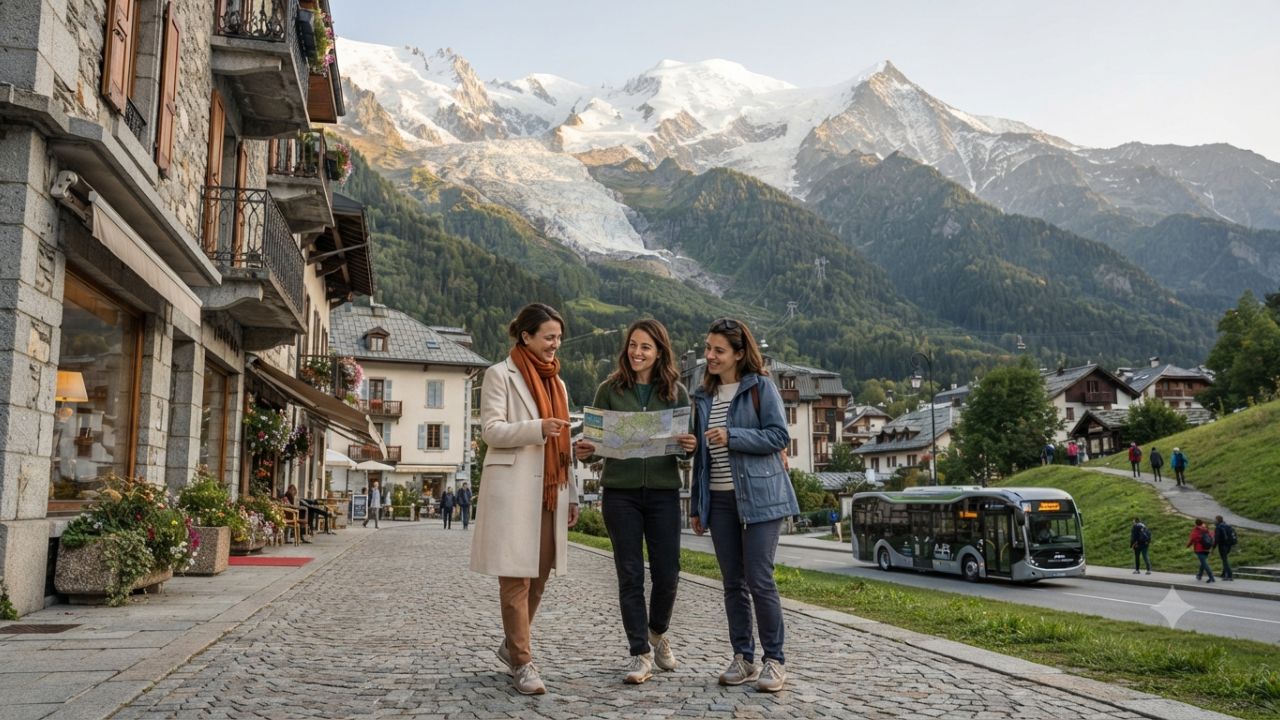
European border communes are forming cross-border EGTC syndicates to redistribute visitor traffic away from overcrowded capitals.
European regional destinations are abandoning isolated municipal marketing in favor of multi-national tourism syndicates designed to combat overtourism. Rather than competing horizontally, contiguous border communes across France, Italy, Switzerland, Spain, Portugal, Germany, Poland, Estonia, Austria, Slovakia, and Hungary are creating integrated cross-border networks. Governed by European Grouping of Territorial Cooperation (EGTC) legal instruments and co-financed through Interreg and ERDF funds, these micro-destination cross-border federations redistribute over 4.7 million annual visitor nights away from congested capitals into regional alpine, riverine, maritime, and interior corridors.
Comparative Matrix: The Four European Cross-Border Corridors
EUROPEAN CROSS-BORDER TOURISM CORRIDOR MATRIX
| Entity / Facility | Delays | Cancellations | Details |
|---|---|---|---|
| Corridor Axis | Member Communes | EU Governance | Core Mobility |
| Alpine Corridor | Chamonix (FR), | Espace Mont-Blanc | Matterhorn 3S |
| Courmayeur (IT), | EGTC, Interreg | Alpine Crossing, | |
| Zermatt (CH) | ALCOTRA PITER | Mont Blanc Tunnel | |
| Iberian Interior | Marvão (PT), | Interreg POCTEP, | Sever River Foot- |
| Corridor | Valencia de | Eurocidade / | bridge, Megalithic |
| Alcántara (ES) | Tajo-Tejo Reserve | Trail & EV Grid | |
| Hanseatic | Wismar (DE), | Interreg South/ | Wooden Hanseatic |
| Maritime | Hel (PL), | Central Baltic, | Cogs, Electric |
| Corridor | Pärnu (EE) | Baltic Cities | Ferries, Rail |
| Danubian | Dürnstein (AT), | Interreg SK-HU, | EuroVelo 6, Mária |
| Riverine | Štúrovo (SK), | Ister-Granum | Valéria Cross- |
| Corridor | Esztergom (HU) | EGTC, EuroVelo | Border E-Bike Share |
                 CROSS-BORDER MICRO-DESTINATION FEDERATION MODEL
                                       │
     ┌──────────────────┬──────────────┼──────────────┬──────────────────┐
     ▼                  ▼              ▼              ▼                  ▼
┌──────────┐      ┌───────────┐  ┌───────────┐  ┌───────────┐      ┌───────────┐
│ Tri-     │      │ Iberian   │  │ Hanseatic │  │ Danubian  │      │ Single    │
│ National │      │ Megalithic│  │ Maritime  │  │ Cycle     │      │ Digital   │
│ Alpine   │      │ Trail     │  │ Eco-Ferries│ │ Network   │      │ EGTC      │
│ (Mont    │      │ (Sever    │  │ (Baltic   │  │ (EuroVelo │      │ Mobility  │
│ Blanc)   │      │ River)    │  │ Sea)      │  │ 6)        │      │ Token     │
└──────────┘      └───────────┘  └───────────┘  └───────────┘      └───────────┘
Detailed Analysis of the Four Transnational Axes
1. Tri-National Alpine Corridor (France, Italy, Switzerland)
Anchored by Chamonix-Mont-Blanc (France), Courmayeur (Italy), and Zermatt (Switzerland), this tri-national alliance operates under the Espace Mont-Blanc EGTC and Interreg ALCOTRA (PITER PARCOURS+). Key infrastructure includes the Matterhorn Alpine Crossing 3S cableway (connecting Zermatt to Breuil-Cervinia via the Klein Matterhorn station at 3,820 meters), Montenvers and Gornergrat cog railways, and Mont Blanc Tunnel electric shuttles. The AdaPT Mont-Blanc initiative redistributes 1.2+ million shoulder-season hikers along the Tour du Mont Blanc (TMB).
2. Iberian Interior Corridor (Portugal & Spain)
Linking Marvão (Portugal) and Valencia de Alcántara (Spain) across the Sever River basin, this corridor sits within the Tajo/Tejo Internacional Biosphere Reserve. Supported by Interreg POCTEP, the Iberian Megalithic Trail connects Neolithic dolmens and menhirs via an international pedestrian bridge over the Rio Sever. Cultural integration during the Festa do Castanheiro (Chestnut Fair) and Boda Regia reenactments generates 1.0+ million slow-travel overnights annually.
3. Hanseatic Maritime Corridor (Germany, Poland, Estonia)
Uniting Wismar (Germany), Hel (Poland), and Pärnu (Estonia) via Interreg South Baltic and Central Baltic programs, this maritime network promotes low-carbon sailing on wooden Hanseatic cogs and electric ferries. Statistics Estonia reports 3.7 million accommodated tourists in 2025 (+5% YoY), with Pärnu County capturing 11% of foreign visitors. Polish GUS data confirms Pomeranian summer traffic exceeding 1.5 million. Combined, the corridor generates 1.5+ million coastal heritage nights.
4. Danubian Riverine Corridor (Austria, Slovakia, Hungary)
Connecting Dürnstein (Austria), Štúrovo (Slovakia), and Esztergom (Hungary) along EuroVelo 6, this riverine syndicate utilizes the reconstructed Mária Valéria Bridge and the cross-border Mária Valéria Bike (MVB) e-bike share network. The network disperses 1.0+ million cycle travelers into small wine-growing hamlets across the Wachau and Central Danube bends.
Strategic Economic & Operational Performance Metrics
OPERATIONAL COMPARISON: STANDALONE VS. EGTC SYNDICATE
| Performance Metric | Standalone Municipal | Cross-Border EGTC Syndicate |
|---|---|---|
| Geographic Dispersion | Single Core (<5 km²) | Multi-Commune Axis (50-250 km) |
| Average Length of Stay | 1.4 to 2.1 Nights | 4.8 to 7.5 Nights |
| Carbon Footprint / Guest | High (Cars/Aviation) | Low (Electric Rail/Bikes/Ferries) |
| Seasonality Profile | Extreme Summer Peak | Balanced 4-Season Operation |
| Local Revenue Retention | Low (Aggregator Leak) | High (Direct Guilds/Cooperatives) |
| Annual Corridor Volume | Unstable Surge Capacity | 1.0M to 1.5M Managed Nights |
Frequently Asked Questions
What is a European Grouping of Territorial Cooperation (EGTC)?
An EGTC is a formal European Union legal instrument that enables regional councils and municipalities across different EU member states to pool budgets, co-manage public infrastructure, and apply directly for EU development funding.
How does the Matterhorn Alpine Crossing connect Switzerland and Italy?
The Matterhorn Alpine Crossing is a 3S high-altitude cableway that connects Zermatt (Switzerland) directly to Breuil-Cervinia (Italy) via the Klein Matterhorn mountain station at 3,820 meters above sea level.
How does the Mária Valéria Bike system work across borders?
Supported by Interreg Slovakia-Hungary, the Mária Valéria Bike (MVB) system allows cyclists to rent e-bikes in Štúrovo (Slovakia) and drop them off across the Mária Valéria Bridge in Esztergom (Hungary) using a single mobile app.
Official Sources
- Espace Mont-Blanc EGTC: Tri-National Territorial Governance Portal
- European Commission (DG REGIO): Interreg Cross-Border Cooperation Programs
- Statistics Estonia: Inbound Tourism & Pärnu Regional Arrival Data
- OECD Tourism Committee: OECD Tourism Trends and Policies Report
Related Travel Guides
Disclaimer
This article is for informational and educational purposes only. It does not constitute legal, financial, or professional advice. While we strive to provide accurate and up-to-date information, travel policies, regulations, and conditions change rapidly. Always verify information with official sources before making travel decisions. Nomad Lawyer makes no representations about the accuracy, reliability, completeness, or suitability of the information provided. Readers should consult qualified professionals for advice specific to their circumstances. The views expressed in this article are those of the author and do not necessarily reflect the views of Nomad Lawyer.
Preeti Gunjan
Contributor & Community Manager
A passionate traveller and community builder. Preeti helps grow the Nomad Lawyer community, fostering engagement and bringing the reader experience to life.
Learn more about our team →