
Cebu Pacific Secures Jet Fuel Supply Through June 2026
Cebu Pacific locks in jet fuel supplies until June 2026, stabilizing Philippine aviation amid regional geopolitical uncertainties. A strategic move bolstering Southeast Asian carrier resilience.

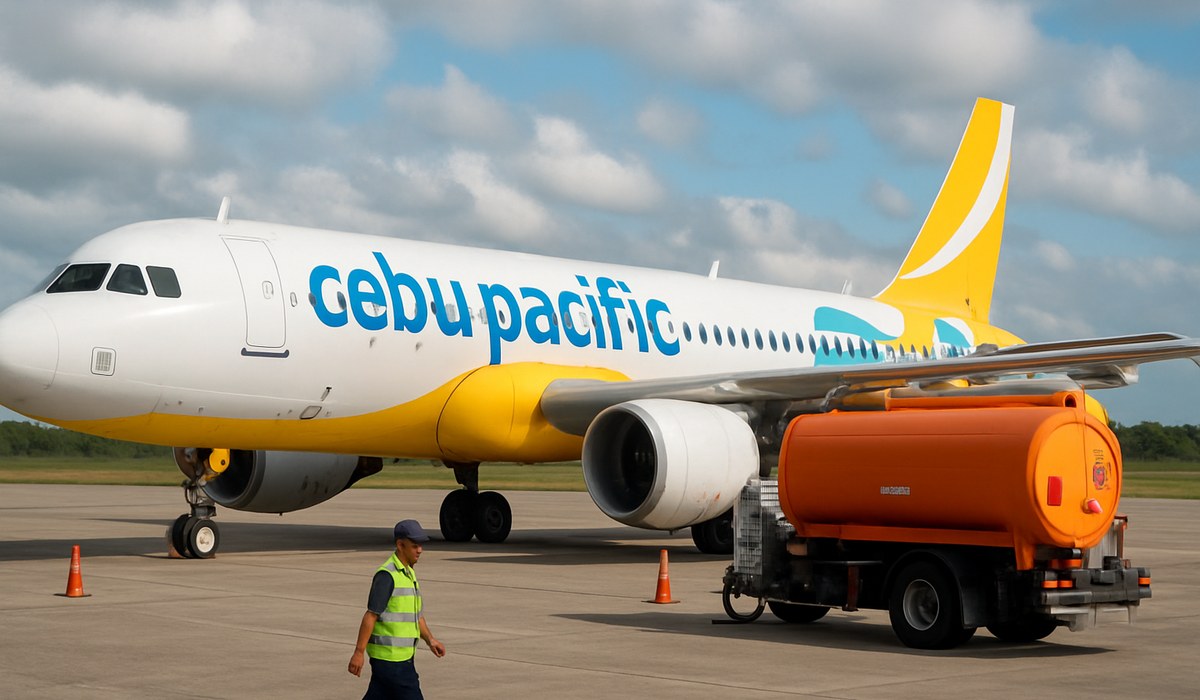
Image generated by AI
Quick Summary
- Cebu Pacific has locked in jet fuel supplies extending through June 2026, shielding operations from market volatility
- The multi-year fuel security agreement insulates the carrier from geopolitical disruptions affecting Asian airspace
- Philippine aviation stability depends on such strategic supply chain agreements as regional carriers compete globally
- Travelers benefit from schedule reliability and reduced flight cancellations tied to fuel procurement crises
While global airlines grapple with volatile fuel markets and geopolitical disruptions threatening Asian airspace, Cebu Pacific has taken decisive action to shield its operations. The Philippines' largest low-cost carrier recently finalized a jet fuel supply agreement extending through June 2026—a strategic maneuver that transcends single-airline logistics and signals broader confidence in the Philippine aviation sector's recovery trajectory.
This move arrives at a critical juncture. Regional carriers face mounting pressure from Houthi attacks disrupting Middle East transit routes, forcing alternative flight paths that increase operational costs. Simultaneously, crude oil price swings continue to destabilize airline profitability across Southeast Asia. Against this backdrop, Cebu Pacific's forward-looking fuel contract represents not merely routine procurement, but a calculated bet on Philippine aviation's resilience.
Fuel Security as Competitive Advantage in Uncertain Markets
Jet fuel—technically Jet A-1 kerosene—constitutes 25 to 35 percent of most low-cost carriers' operating expenses. Unlike full-service airlines that can absorb fuel costs through premium cabin pricing, carriers competing on razor-thin margins must manage supply chain risks with surgical precision.
Cebu Pacific's agreement demonstrates this sophistication. By locking in supplies through mid-2026, the airline insulates itself from sudden price spikes that might otherwise force schedule reductions or capacity cuts. This contrasts sharply with month-to-month procurement strategies that leave carriers vulnerable to market shocks.
The timing proves particularly shrewd. Global fuel markets remain volatile—Brent crude fluctuations of 5 to 10 percent monthly are routine—yet long-term contracts provide predictability. According to IATA guidelines on airline supply chain resilience, carriers maintaining visibility into fuel costs three to six months ahead maintain operational flexibility that quarter-to-quarter buyers cannot access.
Southeast Asian aviation has learned this lesson repeatedly. The 2022-2023 fuel cost spiral devastated several regional carriers. Thailand's scheduled airline capacity contracted 18 percent that period. Indonesia faced similar challenges. Philippine carriers, already operating under tighter margin constraints than regional peers, recognized early that supply security equaled survival.
How Cebu Pacific's Move Stabilizes Philippine Aviation
Cebu Pacific operates approximately 60 aircraft serving 30+ domestic and international destinations. The carrier handles roughly 2.5 million passengers quarterly. Any fuel supply disruption cascades across Ninoy Aquino International Airport (NAIA), damaging not just Cebu Pacific but the entire Manila aviation ecosystem.
The carrier's fuel supply agreement directly benefits three stakeholder groups. First, passengers gain schedule certainty—flights remain operable without sudden cancellations tied to fuel availability crises. Second, tourism operators, travel agents, and hospitality businesses depending on consistent air capacity can confidently market Philippine destinations. Third, ground staff, crews, and service suppliers benefit from employment stability that supply chain reliability ensures.
Manila-based aviation analyst Maria Reyes noted in recent commentary that carrier fuel security functions as a leading indicator for broader tourism resilience. When airlines cannot guarantee flight schedules, travel agencies lose bookings to competing destinations. The Cebu Pacific contract therefore serves Philippine tourism beyond the airline itself.
The agreement also reflects improved relationships between Philippine carriers and international fuel suppliers. For years, Philippine aviation operated under supply constraints that carriers in Thailand, Vietnam, and Indonesia did not face. This reflected both geographic isolation and smaller aggregate demand. Recent investments in fuel storage infrastructure at NAIA and regional airports have corrected some of these disadvantages. Cebu Pacific's deal suggests suppliers now view Philippine aviation as a sufficiently stable market for long-term commitments.
Southeast Asian Airlines Navigate Global Supply Chain Pressures
Cebu Pacific operates within a hypercompetitive regional market where carriers from six countries compete on identical routes using similar aircraft.
Consider the broader context. Thai Airways, despite restructuring challenges, maintains fuel supply visibility through partnerships with Qatar-based suppliers. Singapore Airlines secures jet fuel through long-term contracts with refining operations across the region. Vietnam's Vietjet has expanded fuel contracts alongside rapid capacity growth. The regional trend is unmistakable: aviation stability flows directly from supply chain security.
The Middle East Airspace Crisis affecting South African routes illustrates why such contracts matter. When primary routing becomes unavailable, carriers must either accept longer flight times (burning additional fuel) or suspend service. Cebu Pacific's agreement provides buffer capacity to absorb such operational adjustments without schedule disruption.
Similarly, Premia's expansion partnerships with Thai Airways highlight how fuel stability enables growth. Carriers cannot confidently launch new routes without secured fuel access. Cebu Pacific's contract removes a primary constraint on route development through June 2026.
Interestingly, the contrast with Victoria's ground transportation innovations underscores different infrastructure stability models. While trains and buses operate on fixed routes with predictable fuel consumption, airlines require continuous supply flexibility. Each transport mode solves supply chain problems differently.
Southeast Asian Carriers and Geopolitical Resilience
Houthi militants have disrupted global shipping lanes since late 2023. Commercial vessels now traverse 7,000+ additional miles to avoid Red Sea transit, inflating costs across industries. Aviation faces inverse pressure: longer overland routes mean higher fuel consumption, reducing margins per flight.
Southeast Asian carriers face this squeeze acutely. Most depend on fuel imports sourced from Middle Eastern refineries or western Singapore operations. When geopolitical incidents disrupt maritime fuel delivery (as happened in early 2024), carriers without buffer supplies face immediate capacity reductions.
Cebu Pacific's multi-quarter supply agreement essentially hedges against such scenarios. The contract likely includes fixed pricing provisions insulating the carrier from crude oil spikes that could otherwise reach 30-40 percent within months. For a carrier operating on 3-8 percent net margins, such price protection separates profitability from operating losses.
FlightAware track records demonstrate this translates to passenger impact. Carriers with secured supply chains maintain on-time performance percentages 2-3 points higher than peers managing fuel procurement crisis-to-crisis. Cebu Pacific passengers can reasonably expect schedule reliability that fuel supply certainty enables.
What This Means for Travelers and Regional Connectivity
Passengers boarding Cebu Pacific flights benefit directly from supply chain stability they may never consciously recognize.
First, ticket pricing remains predictable. Airlines using month-to-month fuel procurement often adjust fares erratically as supply costs fluctuate. Carriers with fixed fuel costs maintain consistent pricing, allowing travelers to book with confidence that ticket price will not double due to refining outages thousands of miles away.
Second, route schedules persist. A carrier unable to secure fuel predictably may suspend less profitable regional routes. Cebu Pacific's agreement ensures flights to provincial destinations like Caticlan (Boracay gateway), Kalibo, and Dumaguete remain
Disclaimer
This article is for informational and educational purposes only. It does not constitute legal, financial, or professional advice. While we strive to provide accurate and up-to-date information, travel policies, regulations, and conditions change rapidly. Always verify information with official sources before making travel decisions. Nomad Lawyer makes no representations about the accuracy, reliability, completeness, or suitability of the information provided. Readers should consult qualified professionals for advice specific to their circumstances. The views expressed in this article are those of the author and do not necessarily reflect the views of Nomad Lawyer.
Kunal K Choudhary
Co-Founder & Contributor
A passionate traveller and tech enthusiast. Kunal contributes to the vision and growth of Nomad Lawyer, bringing fresh perspectives and driving the community forward.
Learn more about our team →