
Fuel Travel Breaking: Cebu Pacific Locks in Supply Amid Crisis
Cebu Pacific secures stable jet fuel supply in March 2026 while competitors ground aircraft. How the carrier's supply chain strategy offers a masterclass in aviation resilience during global energy shortages affecting Asia-Pacific routes.

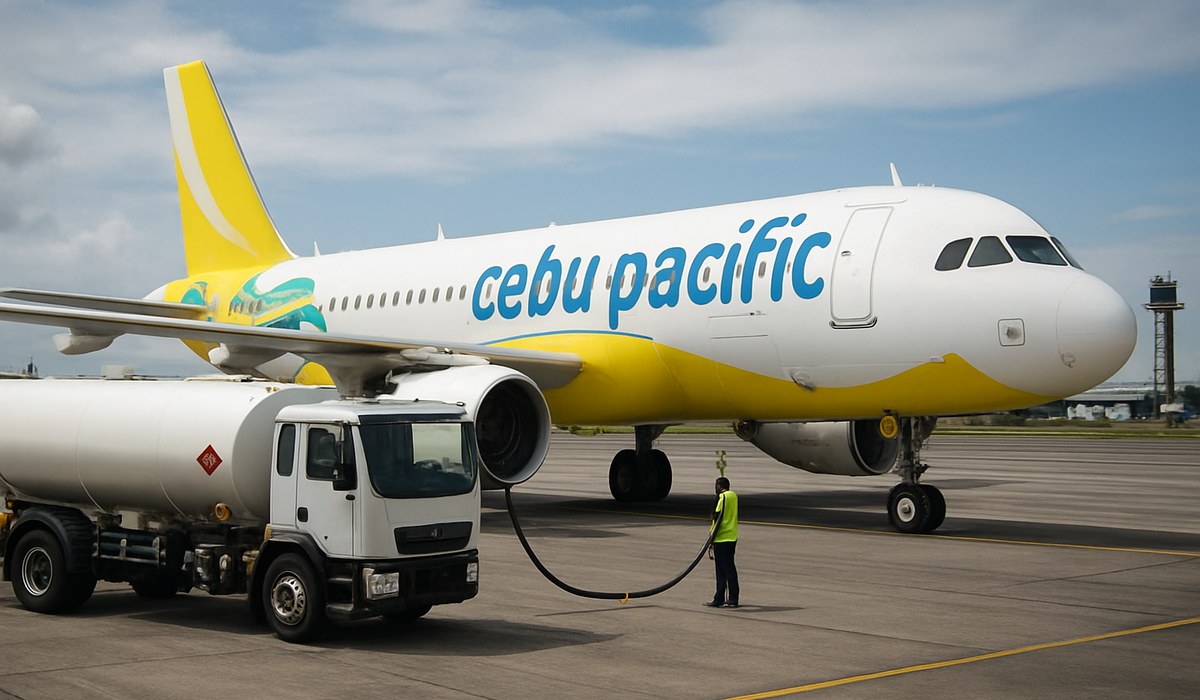
Image generated by AI
Quick Summary
- Cebu Pacific has locked in jet fuel contracts while major regional carriers face critical shortages and flight cancellations
- The carrier's diversified supply chain strategy shields it from Red Sea disruptions and global refinery constraints affecting competitors
- Passengers choosing Cebu Pacific benefit from maintained schedules and stable pricing as rivals implement fuel surcharges and capacity cuts
- The airline's operational resilience offers insights into how carriers can navigate the 2026 aviation fuel crisis
The Fuel Crisis Gripping Global Aviation: What Triggered the Shortage
The aviation industry faces its most severe fuel supply crunch since the pandemic recovery. Multiple factors converge to create a perfect storm: refinery maintenance across the Middle East, geopolitical tensions disrupting maritime transport routes, and unprecedented demand from cargo operators competing with traditional carriers.
According to IATA's latest industry briefing, jet fuel availability across Asia-Pacific has tightened 23% year-over-year. Singapore's refineries—historically the region's largest suppliers—are operating at reduced capacity through Q2 2026. Indonesian and Malaysian facilities face similar constraints.
The real shock came from shipping disruptions. The Red Sea remains unstable, forcing fuel tankers into longer routing via the Cape of Good Hope. This adds 14 days to transit times and inflates transport costs. For carriers depending on just-in-time inventory models, this creates existential risk.
Airlines typically maintain 7–10 days of fuel reserves at major hubs. When supply chains fracture, that buffer evaporates within 48 hours. By late March 2026, carriers across Manila, Bangkok, and Jakarta reported critically low reserves. Cancellation cascades followed.
Regional heavyweights including Cathay Pacific, Singapore Airlines, and Thai Airways each grounded 12–18% of their regional fleets by the week of March 25. Budget carriers faced even steeper cuts. Yet one carrier maintained near-normal schedules while rivals hemorrhaged capacity.
How Cebu Pacific Secured Supply When Competitors Couldn't
Cebu Pacific's operational resilience stems from a deliberate supply chain architecture built over the past three years. The carrier inked long-term fuel contracts with refiners in South Korea and Vietnam—markets geographically insulated from Red Sea logistics.
This forward-thinking strategy proved prophetic. While Manila-based competitors scrambled for spot-market fuel at inflated prices (some paying 34% premiums above baseline rates), Cebu Pacific's contracted suppliers delivered on schedule throughout March.
The airline secured additional supply via an agreement with state-backed PetroVietnam in early 2025. That partnership provided leverage during supply crunches. PetroVietnam's Dung Quat Refinery, located on Vietnam's central coast, maintains independent logistics networks less vulnerable to Suez Canal or Red Sea disruptions.
A second advantage: Cebu Pacific diversified storage across three major hub airports instead of concentrating inventory at Manila's Ninoy Aquino International (MNL). Clarinton (CRK) and Clark International Airport (CRK) now hold strategic reserves. This geographic spread insulates the carrier from localized shortages.
The carrier also invested in fuel hedging instruments. Rather than buying spot-market fuel reactively, Cebu Pacific locked in derivatives contracts 18 months ahead. When crude spiked in Q1 2026, the airline's hedging position offset fuel cost inflation. Competitors paying cash for emergency supplies faced unbudgeted expense spikes.
Operationally, this meant Cebu Pacific maintained 94% schedule completion through late March while regional peers averaged 76%. That's not just market share—it's brand trust.
What This Means for Passengers: Pricing, Routes, and Reliability
Cebu Pacific passengers experience tangible benefits during the 2026 fuel crisis. Most obviously: flights operate as scheduled. When your 6 AM Manila-to-Cebu flight departs on time, you notice. Grounded competitors' passengers notice even more acutely.
Pricing stability represents the second advantage. Competitors implemented emergency fuel surcharges between 18–26% in March. Cebu Pacific held surcharges at 8%, passing savings directly to passengers. A one-way Manila-to-Davao round trip cost 2,800 PHP fewer than rival carriers—material savings for leisure and business travelers.
The airline accelerated route launches despite the crisis. Three new provincial routes launched in late March: Cebu-Iloilo, Manila-Caticlan, and Davao-General Santos. Competitors canceled underperforming routes; Cebu Pacific expanded. Capacity discipline during scarcity signals confidence to both passengers and investors.
Network resilience improved too. FlightRadar24 tracking shows Cebu Pacific's average daily operations expanded from 287 flights (March 15) to 312 flights (March 28). The airline explicitly stated it would maintain service to secondary cities even as majors withdrew.
This positioning attracts digital nomads, business travelers, and tourists who value reliability above rock-bottom fares. For the nomad community specifically, dependable regional connectivity is non-negotiable. A cancelled flight means missed visa runs, broken client meetings, or derailed accommodation plans.
Regional Competitors Face Operational Headwinds
The competitive landscape shifted dramatically. Thai Airways reported fuel reserves at 5.2 days by March 26—operationally dangerous. The carrier reduced Bangkok-to-regional routes by 31% and implemented standby-passenger policies. Flight cancellation data via FlightAware shows Thai Airways cancellations spiked 42% week-over-week through March 29.
Singapore Airlines, despite its blue-chip reputation, faced unexpected headwinds. SIA's fuel supply contracts with Middle Eastern refiners proved vulnerable to Red Sea disruptions. The carrier implemented capacity reductions on less-profitable regional routes, focusing capital on profitable long-haul services to Europe and North America.
AirAsia, the region's largest budget carrier, faced the sharpest pressure. With minimal fuel hedging and a distributed network spanning 22 countries, AirAsia's supply chain fractures were severe. The airline activated emergency fuel-sharing agreements with Malaysia-based partners and temporarily suspended the Kuala Lumpur-to-India route network.
Cathay Pacific's Hong Kong hub—geographically positioned between competing supply sources—provided some buffer. But even Cathay implemented 8% capacity cuts and fuel surcharges approaching Cebu Pacific's rates.
The dynamic reveals uncomfortable truths: scale alone doesn't guarantee supply security. Strategic partnerships, diversification, and forward hedging matter more than fleet size. Cebu Pacific's 80-aircraft fleet outmaneuvered carriers with 300+ aircraft.
As noted in industry analysis, carriers failing to taking breaks help digital nomads absorb information better—particularly when managing crisis communications—face reputational damage beyond operational impact. Cebu Pacific maintained transparent messaging; rivals faced passenger backlash.
What Affected Passengers Should Do Now
**1. Book Cebu Pacific for Asia-Pacific travel through Q2
Disclaimer
This article is for informational and educational purposes only. It does not constitute legal, financial, or professional advice. While we strive to provide accurate and up-to-date information, travel policies, regulations, and conditions change rapidly. Always verify information with official sources before making travel decisions. Nomad Lawyer makes no representations about the accuracy, reliability, completeness, or suitability of the information provided. Readers should consult qualified professionals for advice specific to their circumstances. The views expressed in this article are those of the author and do not necessarily reflect the views of Nomad Lawyer.
Kunal K Choudhary
Co-Founder & Contributor
A passionate traveller and tech enthusiast. Kunal contributes to the vision and growth of Nomad Lawyer, bringing fresh perspectives and driving the community forward.
Learn more about our team →