
Tourism Plans Scale Back: U.S. Ends Social Media Collection for Travelers
The U.S. Customs and Border Protection abandons its controversial social media surveillance mandate in 2026, reversing course on invasive entry requirements affecting international visitors worldwide.

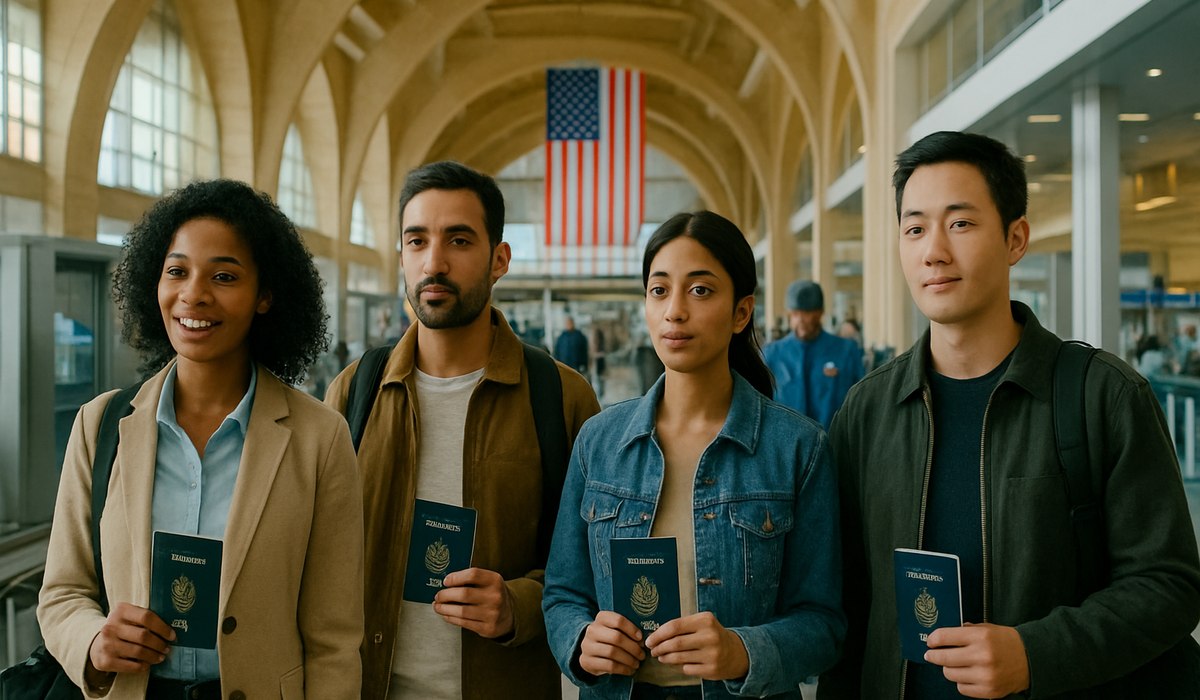
Image generated by AI
U.S. Government Reverses Invasive Social Media Collection Policy
The U.S. Customs and Border Protection (CBP) has officially abandoned its controversial mandate requiring all international travelers to submit social media handles upon entry, addressing mounting global backlash against invasive surveillance practices. The decision marks a significant policy reversal that restores confidence among international visitors reconsidering travel to the United States. This shift signals the government's commitment to balancing security protocols with traveler privacy and destination competitiveness.
The proposed social media collection rule, though not yet fully implemented, triggered widespread concern among tourism stakeholders, immigration attorneys, and international travelers worldwide. Many nations' governments formally objected to the invasive screening procedure, viewing it as an unprecedented breach of personal privacy. The CBP's decision to scale back these collecting requirements represents a major win for tourism advocates and travel industry leaders pushing for more welcoming border policies.
CBP Reverses Social Media Collection Policy
The original CBP proposal would have required all foreign nationals—regardless of visa type or purpose of travel—to provide comprehensive social media account information before entry. Officials justified the mandate as a security enhancement tool for vetting prospective visitors. However, international travelers expressed legitimate concerns about data privacy, government surveillance, and the normalization of digital personal collection.
The reversal demonstrates responsiveness to constituent feedback and diplomatic pressure from allied nations. Several countries issued formal travel advisories warning citizens about the intrusive screening process. The tourism industry collectively warned that the policy threatened American competitiveness as an international destination. By stepping back from this mandate, the CBP acknowledges that security measures must coexist with traveler comfort and privacy protections.
Immigration lawyers and travel consultants widely praised the policy reversal. The decision allows the U.S. to maintain legitimate security interests without subjecting every tourist, business traveler, and visiting scholar to blanket surveillance. This balanced approach protects national interests while respecting individual privacy rights—a critical consideration for maintaining America's appeal as a premier travel destination.
International Impact on Travel Sentiment
Tourism sentiment metrics show remarkable improvement following the CBP's policy announcement. Market research indicates that international travelers who previously hesitated to book American vacations now express renewed interest in visiting U.S. destinations. Countries across Europe, Asia, and Latin America have reported increased inquiries about U.S. travel planning since the social media collection requirement was abandoned.
The proposed collecting mandate had triggered significant damage to America's international reputation as a traveler-friendly destination. Business travelers expressed reluctance to visit for conferences, corporate meetings, and professional engagements. Educational institutions worried about international student enrollment declining if border procedures continued becoming more invasive. By reversing course, the U.S. demonstrates commitment to welcoming international visitors while maintaining security standards.
Tourism boards throughout the country celebrate the policy reversal. State-level tourism agencies note increased website traffic and booking inquiries from international markets. Hotels, airlines, and destination management companies report renewed confidence from overseas tour operators and travel agencies. This positive sentiment shift could translate into measurable increases in international visitor spending and hospitality sector employment.
What This Means for Future Travelers
International visitors planning trips to the United States should understand that standard entry requirements remain in effect, even with the social media collection mandate eliminated. All foreign nationals still require valid passports and appropriate visa documentation based on nationality and travel purpose. The CBP continues implementing established security screening protocols at ports of entry.
The policy reversal means travelers no longer face pressure to voluntarily disclose social media accounts or provide digital personal information during border procedures. Standard customs declarations, health screening, and immigration interviews continue as routine entry protocols. Advanced Passenger Information Systems (APIS) still collect travel booking data, but personal social media collection is no longer part of the border screening process.
Visa applicants and entry requirements remain unchanged across categories including B-1/B-2 tourist and business visas, F-1 student visas, and employment-based temporary visas. Processing times, documentation requirements, and approval conditions follow established guidelines. Travelers should consult official resources for specific visa category requirements and updated entry procedures.
Implications for U.S. Tourism Competitiveness
The policy reversal positions the United States more competitively against international travel destinations that have criticized invasive surveillance practices. Canada, Mexico, and European Union nations emphasize privacy-respecting border procedures in their promotional materials. By abandoning the social media collection mandate, America removes a significant competitive disadvantage in the international tourism marketplace.
Global travel trends indicate increasing consumer awareness about data privacy and government surveillance. Travelers increasingly select destinations based partly on their approach to personal information protection. The CBP's decision aligns U.S. border policy with international expectations regarding traveler dignity and privacy rights. This positioning strengthens America's appeal among affluent international tourists and business visitors.
Industry analysts project the policy reversal could generate substantial economic benefits across hospitality, transportation, and cultural tourism sectors. International travelers spend an estimated $200+ billion annually in the U.S. economy. Removing barriers to travel planning and entry encourages increased spending from hesitant international markets. The decision supports long-term tourism revenue growth and employment in travel-dependent communities.
Who Qualifies for U.S. Entry?
Entry eligibility depends on nationality, visa status, and purpose of travel. Citizens of Visa Waiver Program countries (primarily European Union nations, Australia, Japan, and others) can enter for tourism and business visits up to 90 days without advance visa applications through the ESTA system. Other nationalities require specific visa categories matched to their travel purposes.
Tourist visas (B-2 category) accommodate visitors for leisure, family visits, and tourism activities. Business visas (B-1 category) serve individuals attending conferences, negotiations, and professional meetings. Student visas (F-1 and M-1 categories) enable academic enrollment at accredited institutions. Employment visas (H-1B, O-1, L-1 categories) facilitate temporary work authorization. Immediate family members of U.S. citizens and certain special categories have distinct pathways.
Health-related entry requirements apply equally to all foreign nationals regardless of visa category. Valid passport credentials must remain current throughout the visit period. Criminal history, immigration violations, and certain medical conditions may affect eligibility. Consult with immigration attorneys regarding individual circumstances and specific qualifying factors.
How to Apply Step by Step
Step 1: Determine Your Visa Category Identify the appropriate visa type matching your travel purpose. Tourist and business visitors typically require B-2 or B-1 visas, though Visa Waiver Program citizens may use ESTA. Students need F-1 or M-1 documentation. Employees require category-specific work visas. Consult the IATA Travel Centre for comprehensive visa requirement verification by nationality.
Step 2: Complete Application Forms Apply through the official U.S. Department of State visa portal at travel.state.gov. Complete the DS-160 form for immigrant and nonimmigrant visa applications. Provide accurate biographical information, travel itinerary, and purpose details. Answer all questions thoroughly and honestly. Submit digitally and retain confirmation receipts.
Step 3: Gather Required Documentation Prepare passport copies, photographs meeting U.S. specifications, financial statements demonstrating visit funding, and invitation letters if applicable. Employment verification, educational enrollment confirmations, and family relationship documents strengthen applications. Organize documentation chronologically to facilitate consular review.
Step 4: Pay Processing Fees Standard visa application fees vary by visa category, typically ranging from $160-$265. Processing fees are non-refundable regardless of approval status. Payment processing occurs through designated banking partners at U.S. embassies and consulates. Retain payment receipts as part of your application record.
Step 5: Schedule Consular Interview Book appointment slots at your nearest U.S. embassy or consulate. Interview scheduling availability varies by location and season. Prepare for questions about your travel purpose, funding sources, ties to your home country, and itinerary details. Arrive early and bring all original documentation.
Step 6: Attend Your Interview Present yourself professionally and answer questions directly
Disclaimer
This article is for informational and educational purposes only. It does not constitute legal, financial, or professional advice. While we strive to provide accurate and up-to-date information, travel policies, regulations, and conditions change rapidly. Always verify information with official sources before making travel decisions. Nomad Lawyer makes no representations about the accuracy, reliability, completeness, or suitability of the information provided. Readers should consult qualified professionals for advice specific to their circumstances. The views expressed in this article are those of the author and do not necessarily reflect the views of Nomad Lawyer.
Raushan Kumar
Founder & Lead Developer
Full-stack developer with 11+ years of experience and a passionate traveller. Raushan built Nomad Lawyer from the ground up with a vision to create the best travel and law experience on the web.
Learn more about our team →