
Ryanair Faces Backlash After 30+ Passengers Trapped in Edinburgh Stairwell
Ryanair faces backlash after over 30 passengers were locked in a secure stairwell at Edinburgh Airport while their flight FR6624 departed to Krakow with their checked baggage. The incident raises critical questions about ground handling procedures and passenger safety in 2026.

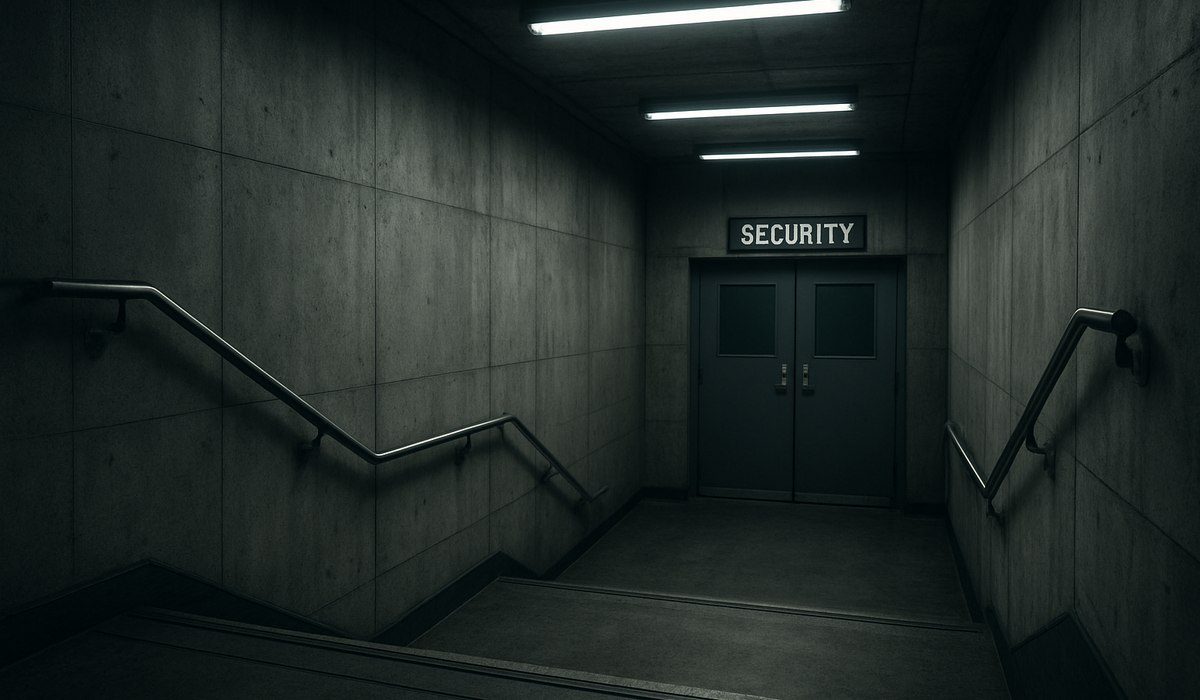
Image generated by AI
Ryanair Faces Backlash After Passengers Trapped During Boarding Procedures
Ryanair faces backlash following a shocking incident at Edinburgh Airport where more than 30 passengers were locked inside a secure stairwell while their aircraft completed boarding and departed for Krakow. Flight FR6624, scheduled to depart Edinburgh to Kraków on April 26, 2026, took off with the stranded passengers' checked luggage aboard while travelers remained confined in the locked stairwell for approximately one hour. The incident has sparked widespread criticism of ground handling procedures, boarding safety protocols, and the airline's operational standards during peak travel season.
Passengers Trapped as Flight Departs Without Them
During the boarding process for flight FR6624, ground staff directed passengers through security checkpoints and into a secure stairwell area after their passports and boarding passes had been verified. Once inside this nonpublic space, travelers discovered both the upper and lower doors were locked, leaving them completely isolated from gate personnel and aircraft access points. Passengers waited anxiously in the confined stairwell, expecting to be directed to the jet bridge, but instead watched as their aircraft completed final boarding procedures with other customers and pushed back from the gate.
By the time one frustrated traveler activated an emergency exit mechanism to escape the stairwell, the Ryanair aircraft had already departed Edinburgh bound for Poland. Ground staff subsequently escorted the stranded passengers back into the main terminal where they were rebooked on later Ryanair flights. Most affected travelers experienced delays of several hours before finally reaching their intended Kraków destination. The incident gained traction on social media when passengers shared photographs of the empty stairwell and detailed accounts of their experience.
Ground Handling and Safety Procedures Under Question
Ryanair faces backlash as aviation safety experts examine how this boarding breakdown occurred. Standard airport operating procedures mandate that secure areas—including stairwells, jet bridges, and apron walkways—remain supervised at all times with coordinated access managed between airline staff, ground handling agents, and airport operations personnel. In this case, passengers describe being separated from the terminal without established communication channels to alert staff of their location or status.
Aviation safety specialists emphasize that confining passengers in locked areas without direct supervision creates multiple operational and safety risks. Medical emergencies, fire incidents, or other security situations could escalate dangerously when trapped passengers cannot reach help. According to industry standards published by the FAA, airlines must maintain passenger accountability throughout boarding, with final reconciliation of boarding passes and passenger counts required before doors close. The Edinburgh incident demonstrates what happens when these fundamental safety protocols break down due to rushed schedules, inadequate staffing, or poor coordination.
The incident has become frequently cited in aviation forums as a cautionary example of operational failures during peak boarding periods. Questions have emerged about whether Ryanair's aggressive turnaround schedules and minimized ground staff created conditions where boarding procedures were rushed or inadequately supervised.
What This Means for Airline Standards and Passenger Protection
This incident exposes vulnerabilities in how budget airlines manage rapid turnarounds and boarding procedures across European airports. Consumer advocates argue that pressure to maintain tight schedules can compromise safety protocols when ground handling becomes understaffed or uncoordinated. The stairwell confinement incident represents an extreme case, but passengers and industry observers note that boarding bottlenecks, gate changes, and communication failures affect thousands of travelers annually.
Under European Union aviation regulations, passengers affected by flight cancellations or missed departures are entitled to compensation ranging from €250 to €600 depending on flight distance and delay circumstances. Passengers in the Edinburgh incident received reboarding on later flights, though many have questioned whether additional compensation was offered. Travel advocates recommend that passengers affected by similar incidents document all details, retain boarding passes and receipts, and file formal complaints with both the airline and relevant aviation authorities.
Traveler Action Checklist
If you experience a boarding procedure failure or find yourself unable to board your flight, follow these essential steps:
- Document everything immediately – photograph boarding passes, gate numbers, time stamps, and any communications with ground staff
- Request written confirmation from airline staff explaining why you missed your flight, including the specific cause and timeline
- Preserve all receipts for meals, accommodation, transportation, and other expenses incurred due to the missed flight
- Request reboarding options in writing and confirm your seat assignments before accepting alternative flights
- File a formal complaint with the airline within 30 days, referencing EU261/2004 regulations if applicable
- Contact your national aviation authority – in the UK, file with the Civil Aviation Authority; in other EU nations, contact your relevant regulator
- Gather passenger contact information from others affected, as collective complaints carry more weight with regulators
- Consult flight delay compensation websites like AirHelp to assess your legal claim
- Verify your travel insurance coverage for missed flight scenarios and process claims if eligible
- Follow up in writing every 14 days if you don't receive responses from the airline or authority
Key Incident Data and Timeline
| Aspect | Details |
|---|---|
| Flight Number | FR6624 |
| Route | Edinburgh (EDI) to Kraków (KRK) |
| Date of Incident | April 26, 2026 |
| Passengers Affected | 30+ travelers |
| Confinement Duration | Approximately 1 hour |
| Aircraft Status at Departure | Departed with affected passengers' checked baggage |
| Delay for Rebooked Passengers | Several hours until rebooked flights |
| Secure Area Type | Locked stairwell with both upper and lower doors secured |
| Staff Communication | No established channel for passengers to alert staff |
| Resolution | Emergency exit activation; reboarding on later flights |
| Investigation Focus | Ground handling procedures, boarding coordination, staffing levels |
Ryanair's Operational Challenges and Wider Industry Context
Ryanair has faced increasing criticism regarding customer service, operational disruptions, and boarding procedure consistency. The Dublin-based carrier operates under a low-cost model that emphasizes tight aircraft turnarounds, strict boarding cutoff times, and minimal ground staff. While this approach keeps fares competitive, it has created recurring issues when operational bottlenecks occur at security, immigration, or boarding gates.
Social media discussions and consumer reports frequently cite instances where Ryanair passengers missed flights due to prolonged border control queues, delayed boarding pass issuance, or late gate changes. The Edinburgh stairwell incident exemplifies how these systemic pressures can create scenarios where passengers complete all required procedures yet still lose their flight and baggage. Ryanair faces backlash not only for this specific incident but also for broader patterns of operational management that prioritize schedule adherence over passenger safety protocols.
Industry observers note that budget carriers across Europe face similar pressures, but the concentration of such incidents involving Ryanair suggests potential operational or procedural shortcomings specific to that airline's management systems.
Passenger Rights and Compensation Frameworks
Passengers affected by missed flights due to airline operational failures have legal protections under EU261/2004 regulations. Depending on the specific circumstances and flight distance, eligible passengers can claim compensation ranging from €250 for short-haul flights to €600 for longer journeys. The Edinburgh incident likely qualifies affected passengers for such compensation, though formal claims require documented evidence of the airline's responsibility.
To strengthen compensation claims, passengers should gather witness statements from other affected travelers, retain photographs of gate signage and boarding areas, and document all
Disclaimer
This article is for informational and educational purposes only. It does not constitute legal, financial, or professional advice. While we strive to provide accurate and up-to-date information, travel policies, regulations, and conditions change rapidly. Always verify information with official sources before making travel decisions. Nomad Lawyer makes no representations about the accuracy, reliability, completeness, or suitability of the information provided. Readers should consult qualified professionals for advice specific to their circumstances. The views expressed in this article are those of the author and do not necessarily reflect the views of Nomad Lawyer.
Raushan Kumar
Founder & Lead Developer
Full-stack developer with 11+ years of experience and a passionate traveller. Raushan built Nomad Lawyer from the ground up with a vision to create the best travel and law experience on the web.
Learn more about our team →