
Catalonia Joins Balearic Islands, Andalusia, Valencia, Liguria, Provence-Alpes-Côte d’Azur and Attica as WTTC Urges Barcelona to Reconsider Cruise Tourist Tax Increase Amid Mediterranean Tourism Competition: New update
WTTC warns Barcelona that increasing cruise tourist taxes could harm economic competitiveness and reduce visitor spendin

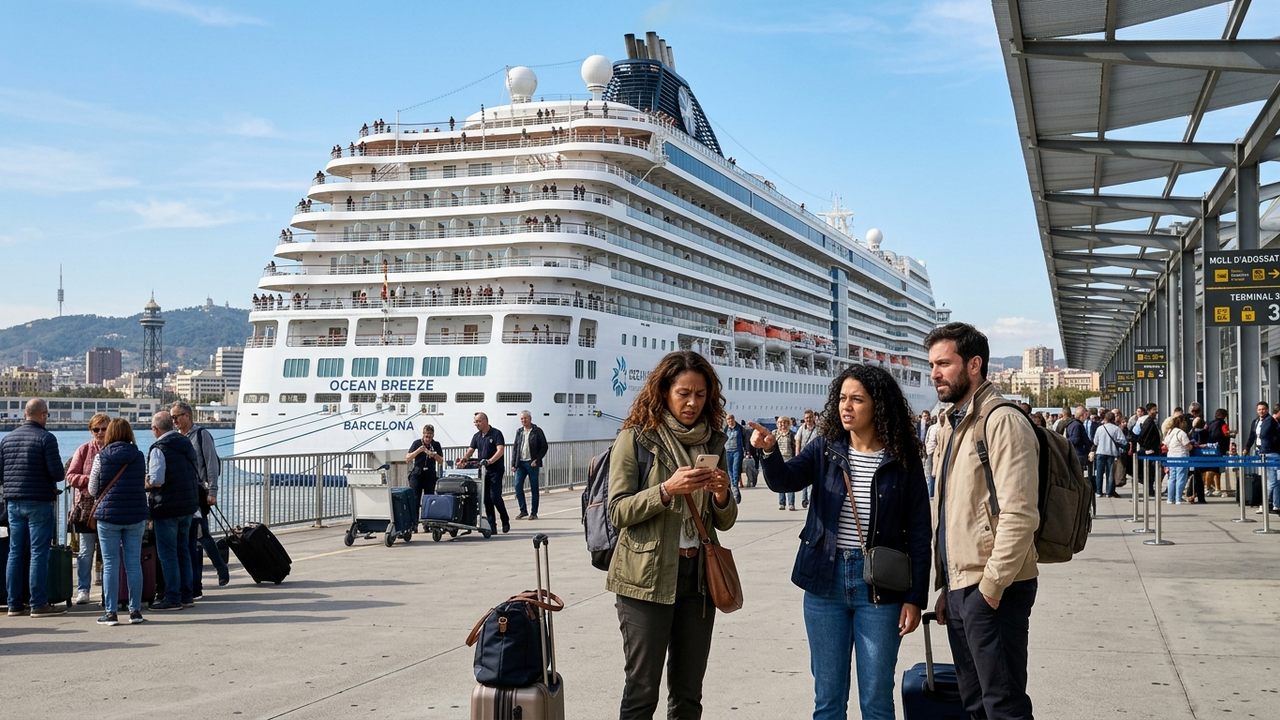
Image generated by AI
[Barcelona, June 25, 2026] — The World Travel & Tourism Council (WTTC) has issued a formal warning to Barcelona authorities, urging the city to reconsider a proposed increase in tourist taxes for short-stay cruise passengers to avoid losing its competitive edge in the Mediterranean. The global tourism body cautions that the fiscal move could trigger a decline in visitor demand and reduce overall spending, potentially destabilizing the employment ecosystem within the city's hospitality and retail sectors.
Regional Pressure and the Mediterranean Cruise Market
Barcelona is currently weighing a policy shift that would raise the cost of entry for cruise visitors on short-term stays. This development places the city in a challenging position, as it joins a growing list of regions—including the Balearic Islands, Andalusia, Valencia, Liguria, Provence-Alpes-Côte d’Azur, and Attica—that are navigating the complexities of tourism taxation and sustainable management.
Industry observers note that Barcelona has spent several decades establishing itself as a premier global hub for cruise travel. The WTTC argues that introducing higher financial barriers now could lead cruise operators to alter their itineraries, potentially diverting passengers to rival Mediterranean ports that maintain more visitor-friendly pricing structures.
Economic Risks of Increased Visitor Levies in Barcelona
Gloria Guevara, President and CEO of the WTTC, has stated that while the organization supports the pursuit of sustainable destination management, the use of aggressive tax hikes may lead to adverse economic outcomes. According to industry reports, cruise tourism provides a vital injection of capital into the local economy, benefiting a wide array of stakeholders including hotels, transport providers, local artisans, and dining establishments.
The council suggests that when taxes increase significantly, travelers often compensate by reducing their discretionary spending. Rather than increasing the total revenue for the city, the policy may simply shift spending away from local shops, museums, and excursions, thereby harming the very businesses the city intends to support.
Statistical Overview of Barcelona's Cruise Sector
Flight tracking and port data highlight the scale of the industry's footprint in the region. The following table outlines the current economic indicators for Barcelona's cruise tourism:
| Tourism Indicator | Latest Figures |
|---|---|
| Annual cruise passengers | Around 4 million |
| Average spending per homeport passenger | Approximately €255 |
| Cruise industry taxes contributed to Barcelona City Council (2024) | €11.9 million |
| Decline in transit cruise passengers during 2024 | 3.3% |
| Projected international visitor spending growth in 2025 | 2.7% |
The Gateway Effect and Long-Term Visitor Retention
A critical point raised by the WTTC involves the "gateway effect" of cruise tourism. Citing research from the Cruise Lines International Association, the council points out that cruise visits often serve as an introduction to a destination, sparking a desire for future independent travel.
| Cruise Tourism Benefit | Industry Finding |
|---|---|
| Repeat destination visits | More than 60% of cruise travelers revisit destinations first discovered during a cruise |
| Economic contribution | Spending benefits accommodation, restaurants, transport, retail, attractions and local suppliers |
| Tourism value | Cruise tourism introduces destinations to future independent travelers |
By discouraging cruise arrivals through higher taxes, the WTTC warns that Barcelona may inadvertently reduce the number of high-spending, long-term independent tourists who would have otherwise returned to the city for extended stays.
Addressing the Slowdown in International Tourism Growth
The timing of the proposed tax increase is particularly concerning to industry leaders, as Barcelona is already facing a cooling period in international tourism growth. Global economic pressures have already begun to impact arrival numbers; specifically, transit cruise passenger figures saw a 3.3% dip throughout 2024.
Furthermore, the projected growth for international visitor spending in 2025 is estimated at a modest 2.7%, which is lower than several of Barcelona's primary competitors in Europe. The WTTC believes that adding financial friction at a time of slowing growth could further erode the city's market share and hinder the recovery of the tourism sector.
Collaborative Strategies for Sustainable Destination Management
Instead of relying on fiscal penalties, the WTTC recommends a transition toward collaborative planning. This approach would involve a partnership between municipal government authorities, cruise operators, local business owners, and the residents of Barcelona.
The goal of such a framework would be to balance environmental sustainability and infrastructure capacity with the need for economic viability. The council has offered its expertise to help Barcelona develop a management strategy that protects the quality of life for residents without alienating the international visitor base.
Implications for Mediterranean Itinerary Planning
Because Barcelona serves as one of the most influential cruise hubs in the Mediterranean, its policy decisions have a ripple effect across the region. Cruise lines constantly evaluate the total cost of operations, including port fees and taxes, when designing their seasonal routes.
If Barcelona becomes significantly more expensive than neighboring ports, it may see a shift in "homeport" status, where ships begin and end their journeys elsewhere. This would lead to a substantial loss in revenue, as homeport passengers typically spend significantly more in the city than those on short transit stops.
The ongoing tension between the need for "overtourism" controls and the necessity of economic growth remains a defining challenge for European coastal cities. The outcome of Barcelona's decision will likely serve as a benchmark for other Mediterranean destinations attempting to manage high visitor volumes.
Related Travel Guides
Disclaimer
This article is for informational and educational purposes only. It does not constitute legal, financial, or professional advice. While we strive to provide accurate and up-to-date information, travel policies, regulations, and conditions change rapidly. Always verify information with official sources before making travel decisions. Nomad Lawyer makes no representations about the accuracy, reliability, completeness, or suitability of the information provided. Readers should consult qualified professionals for advice specific to their circumstances. The views expressed in this article are those of the author and do not necessarily reflect the views of Nomad Lawyer.
Raushan Kumar
Founder & Lead Developer
Full-stack developer with 11+ years of experience and a passionate traveller. Raushan built Nomad Lawyer from the ground up with a vision to create the best travel and law experience on the web.
Learn more about our team →