
Carnival Radiance America250 Celebration at Long Beach Drives Themed US Cruise Boom in 2026
Carnival Cruise Line's America250 patriotic celebration aboard Carnival Radiance at Long Beach signals a major shift toward immersive themed cruises and West Coast cruise tourism growth in 2026.

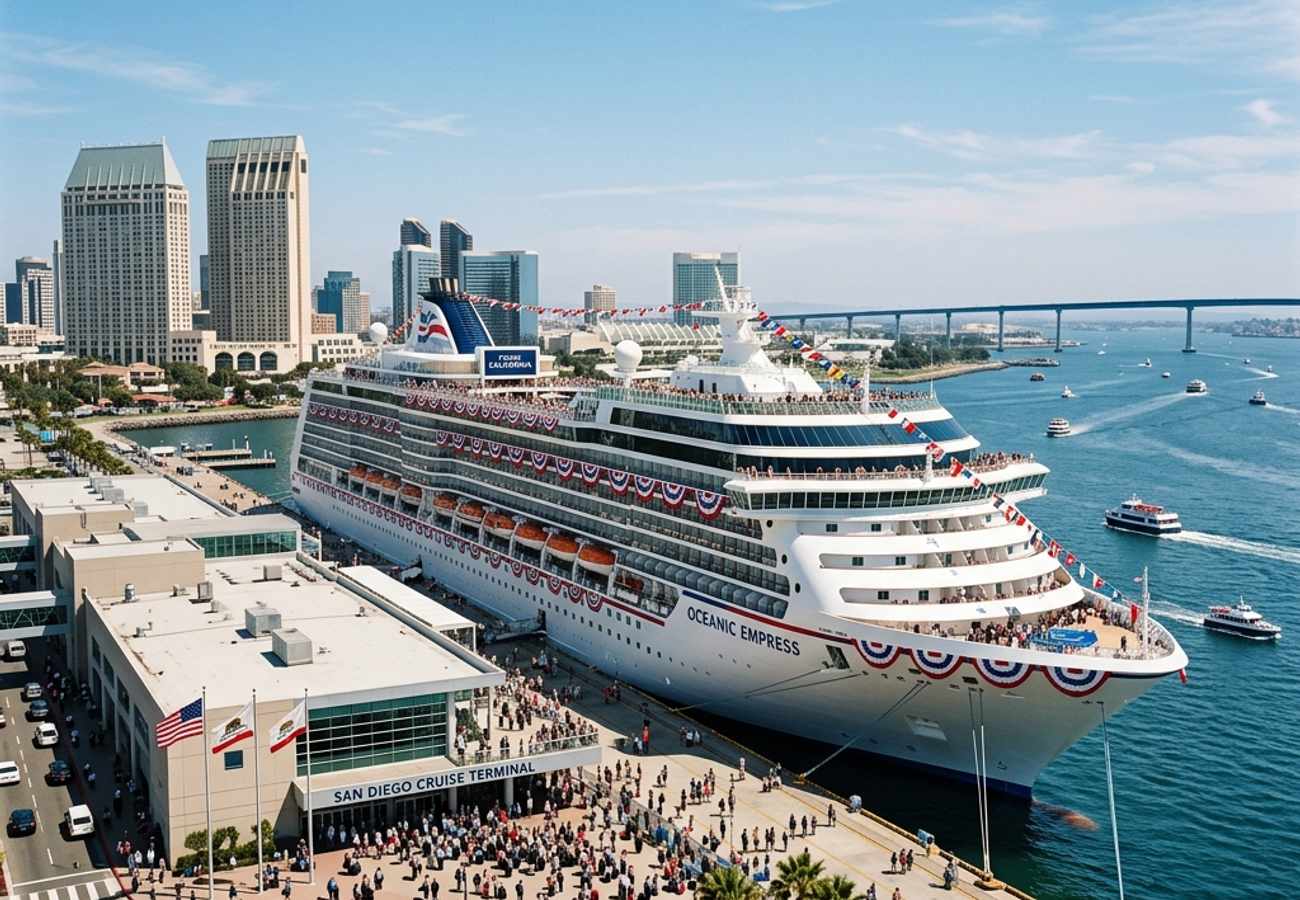
Image generated by AI
The Patriotic Cruise That's Reshaping US Cruise Tourism
Carnival Cruise Line just made waves with a bold move: transforming the Carnival Radiance into a floating monument to America's 250th anniversary at the Port of Long Beach. This isn't just another marketing stunt. It's a calculated signal that cruise lines are fundamentally reimagining how they sell ocean travel—by weaving national heritage, cultural storytelling, and immersive experiences directly into the voyage itself.
The implications are massive for travellers, port cities, and the cruise industry at large.
Why This Celebration Matters More Than You Think
The America250 event aboard Carnival Radiance reflects a seismic shift in cruise tourism strategy. For decades, cruise lines competed on destinations and amenities. Now, they're competing on meaning.
Travellers are increasingly rejecting generic vacation packages. They want experiences that connect them to something larger—community, identity, history, purpose. Carnival recognized this and positioned the Carnival Radiance as a vessel for national storytelling, not just leisure.
Reddit: "The cruise industry finally gets it—we don't just want to float somewhere nice. We want to feel part of something." — r/cruising
This celebration signals stronger demand for US domestic cruises, particularly from the West Coast. For travellers tired of long-haul flights or looking for convenient coastal holidays, Long Beach is becoming the answer.
The America250 Strategy: Patriotic Programming Meets Maritime Commerce
Here's what Carnival built into the Carnival Radiance experience:
Military tributes and veteran recognition ceremonies. Large-scale patriotic visual displays throughout the ship. Commemorative programming tied to American heritage. Community engagement with local leaders and government representatives. Onboard cultural performances connecting national identity themes.
These aren't afterthoughts. They're the core product now.
The strategy extends beyond Long Beach. Carnival Cruise Line has announced additional America250 celebrations across multiple US homeports—Baltimore, Tampa, and Jacksonville are all on the calendar for summer 2026. This coordinated national approach transforms maritime travel into a key component of America's 250th anniversary storytelling.
For travellers, this means access to unique itineraries that blend leisure with cultural participation. Instead of a standard three-day Baja cruise, you're getting a curated experience designed around national commemoration.
Long Beach: The Rising West Coast Cruise Powerhouse
The Port of Long Beach isn't new to cruise tourism. But its role is expanding dramatically.
Strategic advantages are stacking up: proximity to Los Angeles International Airport for international arrivals, easy road-trip access for regional travellers, and growing infrastructure investments. The port is increasingly positioning itself as a premium West Coast gateway—and the America250 celebration validates this positioning.
Cruise lines are using Long Beach for short and medium-duration voyages to Mexico and the Pacific coast. Weekend getaways and mini-cruises are becoming more frequent. The addition of themed events like America250 strengthens the port's identity as more than just a departure point—it's becoming a cultural destination itself.
This expansion supports broader US cruise tourism growth. Travellers who might otherwise fly across the country to embark from Miami or Fort Lauderdale now have a convenient West Coast alternative. The convenience factor alone is reshaping domestic cruise demand patterns.
The Themed Cruise Revolution: What Travellers Can Expect
The America250 celebration reveals a fundamental truth about modern cruise tourism: storytelling is now the core product.
Cruise ships are evolving from transportation vessels into floating cultural venues. Programming isn't supplementary—it's central to the itinerary design. This shift will cascade through the entire cruise industry, forcing competitors to rethink their onboard experiences.
Expect more of this in 2026 and beyond:
Short-haul themed sailings from US homeports, eliminating the need for connecting flights. Expanded weekend and mini-cruise options capitalizing on domestic demand. Heritage and cultural programming tied to national events and local destinations. Higher occupancy during national holiday periods as themed events drive bookings. Destination-linked programming that strengthens connections between ports and onboard experiences.
The pricing implications are significant too. Themed cruises command premium positioning. As cruise lines invest in more experiential programming, expect slightly higher base fares offset by deeper value-add experiences that justify the cost.
How This Signals Broader Industry Transformation
The Carnival Radiance America250 celebration isn't an isolated event—it's a template.
When Carnival, one of the cruise industry's largest operators, commits resources to patriotic programming and heritage storytelling, other cruise brands take notice. Royal Caribbean, Disney Cruise Line, and smaller operators will inevitably follow with their own heritage-focused itineraries.
This competitive dynamics will accelerate the shift from destination-based cruising to experience-based cruising. The question for cruise lines will no longer be "What beaches can we visit?" but "What cultural story can we tell?"
For port cities, this creates new opportunities. Long Beach is demonstrating that ports can become active participants in cruise marketing rather than passive infrastructure. By hosting curated events and building partnerships with cruise lines, ports can drive both volume and premium pricing.
The Long-Term Implications for US Cruise Tourism
The America250 celebration aboard Carnival Radiance is part of a larger narrative: the rehabilitation of domestic cruise tourism.
For years, the cruise industry focused heavily on Caribbean destinations and international markets. Domestic cruising was considered secondary. That's changing. Rising fuel costs, shifting travel preferences toward shorter trips, and growing demand for meaningful experiences are all driving travellers back to US-based cruises.
Long Beach, positioned strategically on the West Coast, is poised to capture a significant share of this domestic cruise growth. The combination of convenient departure logistics, emerging cultural programming, and port-city integration creates a compelling value proposition.
Government support matters too. Port investments in infrastructure, cruise terminal modernization, and community partnerships strengthen Long Beach's competitive position relative to other Pacific gateways.
What Travellers Should Know Right Now
If you're considering a cruise in 2026 or beyond, the America250 celebration signals important shifts:
Themed cruises are becoming mainstream, not niche. Expect more programming, more partner experiences, and more cultural storytelling integrated into standard cruise itineraries. West Coast cruises are gaining momentum. Long Beach and other Pacific ports are investing in capacity and amenities, making them increasingly competitive with traditional East Coast and Caribbean homeports. Experience pricing is rising. As cruise lines invest in deeper, more meaningful onboard programming, base fares are moving upward. The trade-off: significantly more engaging voyages. Domestic cruising is being rebranded as premium. The old perception of cruises as budget holidays is fading. Modern cruises are positioning themselves as cultural experiences and lifestyle choices.
The Bottom Line: A New Era for US Cruise Travel
The Carnival Radiance America250 celebration at Long Beach represents more than a single event. It's a inflection point in how the cruise industry thinks about travel experiences.
Ships are no longer floating resorts. They're cultural platforms. Ports are no longer just logistics hubs. They're experiential destinations. And travellers aren't just buying transportation—they're investing in meaningful, immersive experiences that connect them to community, history, and identity.
For the cruise industry, this is growth. For travellers, it's evolution. For Long Beach and other West Coast cruise ports, it's the beginning of a new chapter in US maritime tourism.
Watch the West Coast cruise market closely—this is where American cruise tourism is heading in 2026 and beyond.
Related Travel Guides
Disclaimer
This article is for informational and educational purposes only. It does not constitute legal, financial, or professional advice. While we strive to provide accurate and up-to-date information, travel policies, regulations, and conditions change rapidly. Always verify information with official sources before making travel decisions. Nomad Lawyer makes no representations about the accuracy, reliability, completeness, or suitability of the information provided. Readers should consult qualified professionals for advice specific to their circumstances. The views expressed in this article are those of the author and do not necessarily reflect the views of Nomad Lawyer.
Kunal K Choudhary
Co-Founder & Contributor
A passionate traveller and tech enthusiast. Kunal contributes to the vision and growth of Nomad Lawyer, bringing fresh perspectives and driving the community forward.
Learn more about our team →