
Cruise Carnival Breeze Narrowly Avoids Failing CDC Health Inspection With Score of 86
Carnival Breeze narrowly passed a CDC health inspection in May 2026 with a score of 86, just one point above failing. The Dream-class ship faced critical food safety violations and crew illness protocol failures during the surprise inspection.

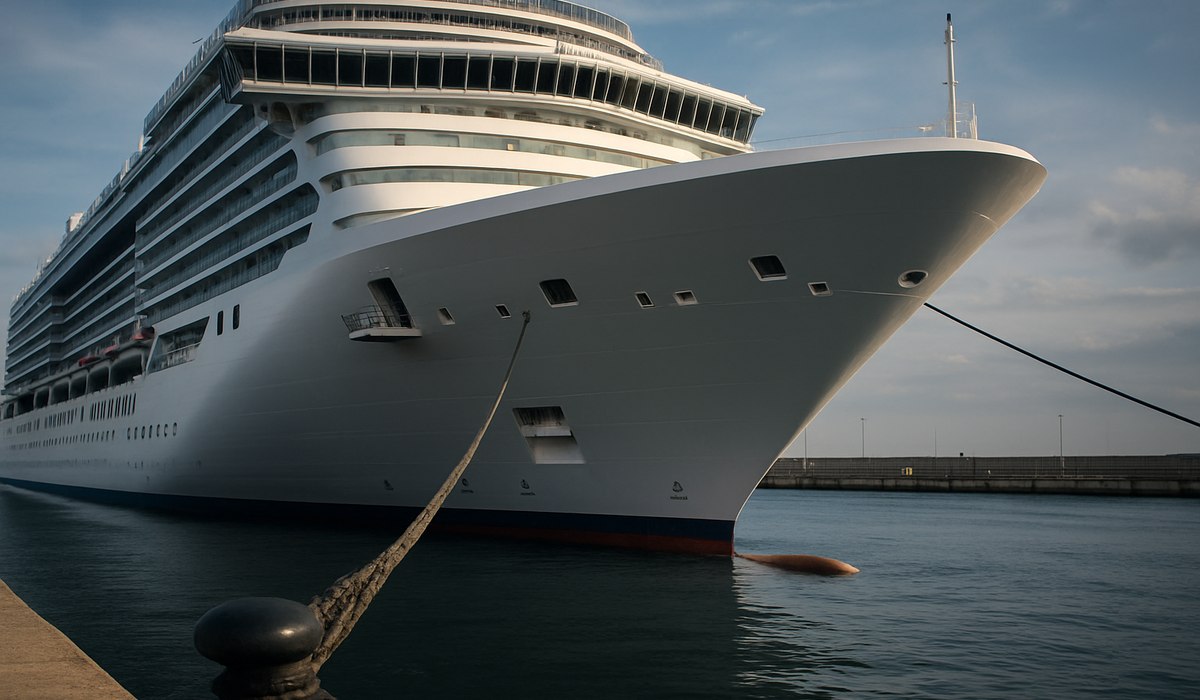
Image generated by AI
Carnival Breeze Narrowly Avoids Failing CDC Inspection
Carnival Breeze scraped by a critical US Centers for Disease Control and Prevention (CDC) health inspection with a dangerous score of 86 on May 14, 2026—just one point above the failing threshold of 85. The 128,052-gross-ton Dream-class vessel, operated by Carnival Cruise Line, was inspected during a turnaround day in Galveston, Texas, revealing 36 violations ranging from hazardous food storage practices to serious crew illness protocol failures. The close call marks a dramatic decline from the ship's perfect 100 score just four months earlier in January 2026.
Barely Passing: The Numbers Behind Carnival Breeze's CDC Inspection
The Vessel Sanitation Program (VSP) conducts unannounced, comprehensive health inspections of cruise ships operating from U.S. ports. Scores range from 0 to 100, with anything below 85 resulting in immediate failure. Carnival Breeze's score of 86 places the ship in precarious territory—a single additional violation would have triggered a failing designation and potential operational restrictions.
The inspection documented 36 distinct violations, a significant increase in severity compared to the ship's previous January assessment. While some issues appeared minor on the surface, such as spilled spices in storage areas and improperly placed personal items in dining service stations, others posed genuine health risks to passengers and crew. The VSP's detailed report provides cruise travelers with critical transparency about onboard safety standards.
For context, the cruise industry typically sees scores distributed across the 90-100 range for well-maintained vessels. A score of 86 represents the lower end of acceptable performance and signals systemic issues requiring immediate remediation. Visit Cruise Critic's CDC inspection database to review health scores for any cruise ship before booking.
Critical Food Safety Violations Discovered Onboard
The most alarming findings involved dangerous food storage and preparation practices in Carnival Breeze's galley and buffet areas. Inspectors discovered raw chicken, steak, and shrimp stored in close proximity without proper separation, creating serious cross-contamination risks that could lead to bacterial illnesses including salmonella and listeria.
In the Lido Marketplace buffet on Deck 10, prepared foods awaiting service carried inadequate or missing date labels. Cut lettuce and sliced deli meats lacked proper time-stamp documentation, meaning staff couldn't determine how long items had been exposed to room temperature. This violation directly violates CDC food safety protocols requiring all ready-to-eat foods to be discarded within specific timeframes.
The CDC's Vessel Sanitation Program holds cruise ship dining operations to the same rigorous standards as land-based restaurants and hospitals. Food storage temperature monitoring, equipment sanitation, and staff hygiene protocols are non-negotiable. These violations suggest gaps in either staff training or management oversight—or both. Passengers relying on onboard dining should be aware that Carnival Breeze will undergo corrective measures before receiving a new inspection score.
Crew Illness Protocol Failures Raise Guest Safety Concerns
More concerning than storage violations were multiple instances where crew members displaying acute gastroenteritis symptoms continued working for extended periods. On April 19, a food service employee reported gastrointestinal illness but worked for nearly an hour before seeking medical evaluation. On May 10, another crew member exhibited gastroenteritis symptoms, used public facilities, yet completed a full several-hour shift under supervisor approval.
These failures represent direct health threats to passengers. Gastroenteritis spreads rapidly through fecal-oral transmission, particularly in confined cruise ship environments. When symptomatic crew members remain on duty in food service or public areas, they become vectors for illness transmission across the entire passenger population.
A guest who reported acute gastroenteritis on May 7 was properly isolated. However, housekeeping staff assigned to clean that stateroom wasn't notified of the contamination risk until the following day, allowing potential exposure during interim cleanings. This breakdown in communication protocols compounds illness transmission risks.
The CDC takes these violations seriously because cruise ships represent closed environments with hundreds of passengers in constant proximity. Unlike shore facilities, there's no option for symptomatic individuals to go home. These protocol failures on Carnival Breeze endangered everyone aboard and highlight the importance of transparent health reporting by cruise lines.
Cruise Itinerary at a Glance
| Itinerary Detail | Information |
|---|---|
| Ship Name | Carnival Breeze |
| Cruise Line | Carnival Cruise Line |
| Ship Class | Dream-class |
| Gross Tonnage | 128,052 GT |
| Home Port | Galveston, Texas |
| Inspection Date | May 14, 2026 |
| CDC Score | 86/100 |
| Total Violations Cited | 36 |
| Previous Inspection Score | 100/100 (January 2026) |
| Failing Threshold | 85 or below |
Carnival Breeze Ship Features & Amenities
Carnival Breeze operates as one of Carnival Cruise Line's flagship Dream-class vessels, accommodating approximately 3,600 passengers and 1,100 crew members. The ship features multiple dining venues, including specialty restaurants, buffet facilities, and casual grab-and-go options. Pre-inspection, the vessel offered standard Carnival amenities including pools, casino, entertainment venues, and stateroom accommodations across various price categories.
The Dream-class design emphasizes social spaces and entertainment programming. Dining locations include the main dining room, numerous specialty restaurants, and the Lido Marketplace buffet (where buffet violations were documented). The Serenity Adult-Only area includes whirlpool spas, one of which required immediate closure during the May inspection due to excessive bromine levels.
Passengers booking Carnival Breeze should review recent and historical CDC inspection scores at Carnival Cruise Line's official website and cross-reference with independent cruise review sites. Understanding a ship's inspection history helps travelers make informed decisions about health and safety standards.
Pricing & Booking Information
Carnival Breeze typically operates 7-day and 14-day Caribbean itineraries from Galveston, with pricing dependent on stateroom category, travel dates, and advance booking windows. Standard balcony cabins generally range from $400-$800 per person nightly, while interior staterooms offer more budget-friendly options starting around $200-$400 per person per night.
Early booking discounts and promotional pricing appear frequently throughout the year. Travelers should factor corrective action timelines into booking decisions. While Carnival states that certain immediate corrections were implemented, a new comprehensive inspection score won't be issued until the ship's next unannounced VSP visit, potentially weeks or months away.
Current passengers and future bookers can review health inspection details through the CDC's Vessel Sanitation Program website, which maintains complete inspection reports for all cruise ships. This transparency allows travelers to evaluate whether they're comfortable sailing on Carnival Breeze given the recent violations and ongoing corrective action phase.
What Happens Next for Carnival Breeze
Carnival Cruise Line has already initiated corrective actions onboard. When bromine levels in Serenity spa facilities exceeded CDC recommendations during the inspection itself, the spa was immediately closed and staff began remediation. Ice machine contamination—noted as "black debris" accumulation—was addressed immediately upon discovery.
Food storage protocols and cleanliness procedures throughout the galley and dining areas are undergoing review and retraining.
Disclaimer
This article is for informational and educational purposes only. It does not constitute legal, financial, or professional advice. While we strive to provide accurate and up-to-date information, travel policies, regulations, and conditions change rapidly. Always verify information with official sources before making travel decisions. Nomad Lawyer makes no representations about the accuracy, reliability, completeness, or suitability of the information provided. Readers should consult qualified professionals for advice specific to their circumstances. The views expressed in this article are those of the author and do not necessarily reflect the views of Nomad Lawyer.
Kunal K Choudhary
Co-Founder & Contributor
A passionate traveller and tech enthusiast. Kunal contributes to the vision and growth of Nomad Lawyer, bringing fresh perspectives and driving the community forward.
Learn more about our team →