
Caribbean Luxury Yacht Tourism Slow Travel Trends
Caribbean luxury yacht tourism expands in 2027, driven by slow travel demand, private vessel charters, and marine conservation partnerships.

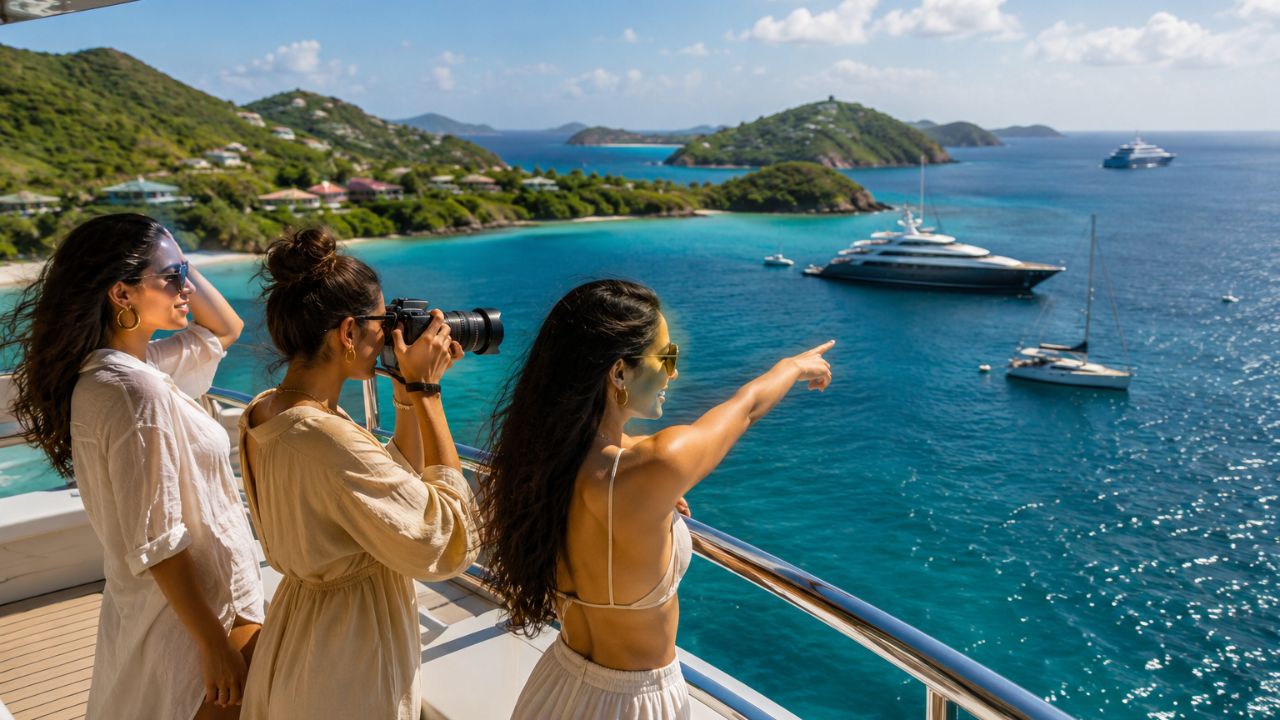
Image generated by AI
How Caribbean Luxury Yacht Tourism Leverages Boutique Charter Fleets and Marine Reserves to Elevate Slow Travel in 2027
Caribbean luxury yacht tourism is entering a highly personalized phase, driven by the global slow-travel trend and demand for secluded island-hopping. By utilizing boutique charter fleets, travelers are exploring hidden coves and contributing directly to regional marine conservation efforts in 2027.
The Local Trend Revealed
The Caribbean maritime tourism sector is experiencing a significant shift away from large-scale cruise ship corridors toward private, low-impact luxury yacht charters. Antigua and Barbuda, Barbados, Saint Kitts and Nevis, Saint Lucia, Aruba, Curaçao, Bonaire, the British Virgin Islands, Anguilla, Guadeloupe, Dominica, Martinique, and Grenada are seeing increased demand for custom-designed sea voyages.
This trend is highlighted by premium arrivals like the upcoming Aman at Sea yacht voyages, designed to offer slow-paced itineraries through smaller island networks. These private vessels provide access to secluded shorelines, quiet coastal communities, and marine parks that remain completely inaccessible to large commercial cruise liners.
Cultural & Environmental Value (Information Gain)
According to guidelines from the Caribbean Tourism Organization's marine safety division, yacht operators are implementing advanced waste management systems, eco-friendly hull coatings, and carbon-neutral hybrid propulsion systems to protect fragile coral ecosystems.
Slow travel via yachts directly supports regional micro-economies. Instead of spending their travel budgets within self-contained mega-resorts, yacht travelers purchase fresh seafood from local fishermen, hire regional island guides, and support artisan shops in smaller coastal settlements.
Port fees and mooring permits collected across regional marine reserves, such as the Tobago Cays Marine Park or Bonaire National Marine Park, fund turtle nesting preservation programs and coral reef rehabilitation efforts.
Caribbean Yacht Tourism Destinations 2027
| Island / Territory Corridor | Primary Yachting Appeal | Protected Marine Sanctuary / Eco-Focus |
|---|---|---|
| Antigua and Barbuda | Historic harbor bases & sailing routes | Mooring buoy networks protecting coral gardens |
| British Virgin Islands | Secluded coves & island hopping | Sandy Cay marine reserve preservation projects |
| Bonaire | Scuba diving & coastal snorkeling | Bonaire National Marine Park; strict no-anchor zones |
| Dominica | Volcanic black sand beaches & rainforests | Soufriere Scotts Head Marine Reserve local guide programs |
| Grenada | Spice plantations & coral reefs | Molinere Underwater Sculpture Park community funding |
Visitor Insider Tips
To ensure a safe, responsible, and memorable sailing journey in the Caribbean:
- Optimal Travel Window: Book yacht charters during the dry winter season from December to April. This period offers steady trade winds and the calmest sea conditions.
- Anchor with Care: Always use established mooring buoys rather than dropping anchor on living coral gardens. In locations like Bonaire, anchoring is strictly prohibited to protect the reefs.
- Try Local Flavors: Sample regional street food, such as Antigua's black pineapple or Saint Lucian green fig and saltfish, at family-run seaside kiosks to support local farming and fishing networks.
- Respect Marine Life: When snorkeling near marine sanctuaries, maintain a safe distance from sea turtles and avoid touching coral surfaces.
Tourism Outlook
The combination of private marine travel with community-focused conservation is establishing a sustainable framework for Caribbean luxury tourism.
By promoting low-density, high-value yacht arrivals and protecting marine biodiversity, the region is securing its natural assets and economic resilience for future generations.
FAQ: Caribbean Yacht Travel
Why is slow travel popular in the Caribbean?
Travelers are seeking deeper connections with local cultures and nature, which is best achieved by exploring smaller, less-crowded islands at a relaxed pace.
How do yacht charters support environmental preservation?
Many modern charters use hybrid engines and eco-friendly waste systems, while mooring fees help fund local marine reserves like Bonaire Marine Park.
When is the best season to charter a yacht in the Caribbean?
The dry season from December to April offers the most stable weather, calmest seas, and best wind conditions for sailing.
Related Travel Guides
Disclaimer
This article is for informational and educational purposes only. It does not constitute legal, financial, or professional advice. While we strive to provide accurate and up-to-date information, travel policies, regulations, and conditions change rapidly. Always verify information with official sources before making travel decisions. Nomad Lawyer makes no representations about the accuracy, reliability, completeness, or suitability of the information provided. Readers should consult qualified professionals for advice specific to their circumstances. The views expressed in this article are those of the author and do not necessarily reflect the views of Nomad Lawyer.
Kunal K Choudhary
Co-Founder & Contributor
A passionate traveller and tech enthusiast. Kunal contributes to the vision and growth of Nomad Lawyer, bringing fresh perspectives and driving the community forward.
Learn more about our team →