
Caribbean Tourism Redefines Caribbean Luxury Travel by Showcasing Culture and Ecotourism, Urging Travelers to Explore Deeper Heritage Escapes: New Travel Alert
Caribbean tourism boards and travel operators redefine Caribbean luxury travel, expanding beyond traditional beaches toward eco-luxury and culture.
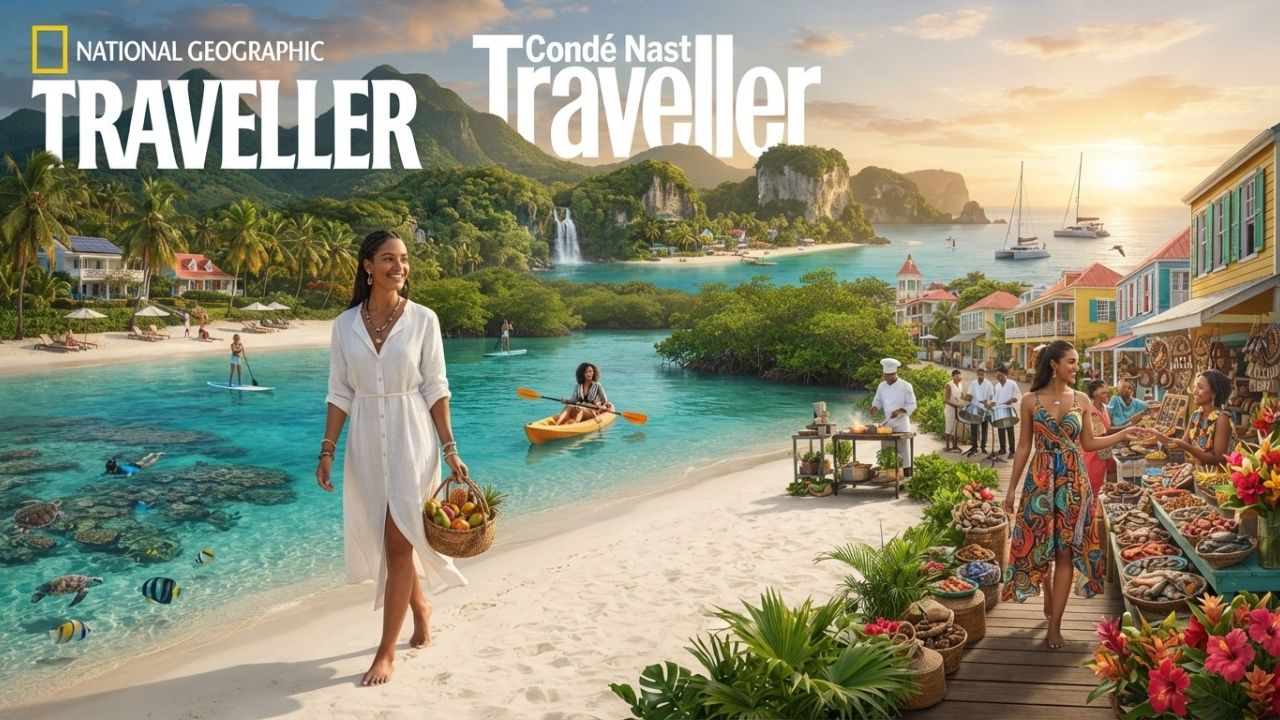
Image generated by AI
Published on July 27, 2026
Caribbean governments and destination management organizations are entering a new phase of growth, actively redefining Caribbean luxury travel by expanding beyond traditional beach holidays. This transformation comes as international travelers seek immersive nature, cultural heritage, and wellness experiences across the region's diverse islands. Travelers are advised to note shifting travel patterns, local community initiatives, and sustainable regulations when planning their next tropical getaway.
Quick Summary
- Luxury Diversification: Caribbean tourism is shifting away from simple all-inclusive beach stays toward eco-luxury, gastronomy, and wellness.
- Eco-Tourism Leaders: Destinations like the Dominican Republic, Costa Rica, and Jamaica are expanding regional travel options.
- Operator Realignment: Major tour operators are introducing customized itineraries, boutique accommodations, and self-drive vacations.
- High Market Outlook: Strong booking numbers persist across emerging coastal hubs despite ongoing global economic uncertainties.
The traditional sun-and-sea model has successfully anchored Caribbean travel for decades. However, a major global shift is underway, with modern travelers prioritizing cultural immersion and environmental stewardship. In response, regional authorities are redesigning local travel portfolios. By focusing on low-impact development and deep heritage integration, regional organizations are seeking to build long-term economic resilience.
This evolution is guided by recommendations from UN Tourism and the Caribbean Tourism Organization (CTO), which encourage destinations to distribute tourism revenues more equitably into rural and indigenous communities while protecting fragile coastal habitats from overdevelopment.
Incident Details: Regional Expansion and the Diversification of Caribbean Luxury Travel
Key regional destinations are driving this tourism transformation:
- Dominican Republic: The national tourism strategy moves beyond Punta Cana. Significant sustainable investments are flowing into emerging areas like Miches (for eco-luxury developments), Punta Bergantín (coastal investment), and Cabo Rojo (sustainable tourism expansion). Samaná, Puerto Plata, Santo Domingo, and Santiago are also expanding historical and culinary travel products.
- Costa Rica: Solidifying its role as a sustainable travel leader, the nation encourages exploration in lesser-known areas to spread economic benefits. Top focus areas include Los Santos (coffee tourism), Turrialba (adventure travel), Sarapiquí (biodiversity), the South Caribbean (Afro-Caribbean heritage), and Rincón de la Vieja (volcano experiences). Hiking, rafting, kayaking, and thermal springs form the core of its regenerative programs.
- Jamaica: The country is actively promoting community-based travel and heritage beyond classic resorts. Key hubs include Treasure Beach (sustainable coastal tourism), Black River (nature experiences), Portland (boutique luxury and untouched nature), and Falmouth (heritage tourism). Kingston is highlighted as the cultural capital, utilizing museums, festivals, dance, and music to engage visitors.
- Emerging Operator Hubs: Major tour operators are adjusting their premium offerings, creating flexible circuits and multi-destination itineraries. Travelers are steering toward emerging hubs like Bayahibe, Bacalar, Holbox, Cozumel, and Cartagena.
Travel Considerations and Disruption Risks in the Evolving Caribbean Market
While the shift toward eco-luxury travel offers immense benefits, it also presents distinct challenges and operational risks that travelers must navigate:
- Infrastructure Pressures in Remote Hubs: Emerging destinations like Miches and Treasure Beach often lack the robust road and utility networks found in major cities, which can lead to localized utility disruptions.
- Stricter Environmental Compliance: Governments are implementing rigorous conservation codes. Snorkelers and hikers face strict rules regarding protected marine parks and wildlife habitats, with penalties for non-compliance.
- Global Economic Volatility: Despite strong booking trends, changes in international exchange rates and fuel prices can cause sudden fluctuations in airline ticket costs and resort package pricing.
- Limited Boutique Availability: Low-density resorts inherently offer fewer rooms than massive beach hotels. Travelers who do not book months in advance face accommodation shortages in high-demand areas like Portland or Samaná.
- Multi-Modal Transit Logistics: Reaching remote coffee plantations or volcanic regions requires driving or private shuttles, exposing travelers to local road conditions and seasonal weather delays.
Official Directives: Tourism Authorities Align on Sustainability and Heritage
Regional tourism boards and government bodies are aligning their policies with environmental preservation. According to the Jamaica Tourist Board, community-based travel is vital for keeping revenue within local economies. Authorities are encouraging hotel developers to design properties that integrate with the surrounding environment rather than dominate it.
This directive focuses on low-impact, open-air architecture that reduces energy demand and preserves natural landscapes. Officials emphasize that the future of the region's hospitality market depends on protecting the very natural assets and cultural identities that draw travelers in the first place.
Practical Traveler Advice: Planning a Diversified Caribbean Vacation
Travelers planning to visit this destination should follow these essential steps to ensure a seamless and responsible trip:
- Secure Boutique Bookings Early: Due to strict low-density development codes, luxury eco-villas sell out quickly during the winter high season.
- Book Multi-Destination Packages: Utilize operator itineraries that combine cultural city tours in Santo Domingo with eco-luxury stays in Miches.
- Opt for Self-Drive Tours Cautiously: Renting cars for travel to Costa Rica's Turrialba or Jamaica's South Coast offers independence but requires navigation preparation.
- Participate in Gastronomy Tours: Support local farmers and chefs by booking certified farm-to-table culinary experiences.
- Respect Marine Park Boundaries: Avoid touching coral reefs and marine life during snorkeling excursions in protected areas.
- Support Community Artisans: Purchase crafts directly from local makers in hubs like Falmouth or Sarapiquí to stimulate local economies.
- Prepare for Eco-Trekking: Pack appropriate gear for mountain hiking, kayaking, and rainforest walks in remote parks.
- Stay Updated on Travel Logistics: Keep check on local weather patterns and flight connectivity changes across multi-destination transfers.
Broader Context: The Global Shift Toward Mindful and Regenerative Travel
The transformation of the Caribbean's travel model reflects a worldwide shift toward regenerative tourism. Modern travelers increasingly define luxury through privacy, wellness, and authentic local engagement rather than simple high-end accommodations.
By promoting coffee tourism in Los Santos, music heritage in Kingston, and whale conservation in Samaná, Caribbean nations are successfully rebranding themselves. This diversification shields local economies from volatile sun-and-sea travel, supporting environmental conservation and community development.
Sustainable Investments and the Future of Caribbean Luxury Travel
Moving forward, regional governments plan to invest heavily in public transport links connecting international gateways to remote eco-tourism hubs. Continued collaboration will expand certified heritage tours and local dining experiences.
Tour operators are also expected to release more flexible, multi-destination packages that allow seamless travel across multiple Caribbean islands, encouraging travelers to explore different cultures within a single journey while strictly adhering to eco-conscious regulations.
Ultimately, the Caribbean's shift toward ecotourism, cultural heritage, and wellness travel marks a permanent evolution in the hospitality sector. While pristine beaches remain a core draw, the region's rich history and biological diversity are now its strongest assets. Travelers who plan carefully and respect local environments can enjoy deeply rewarding, sustainable adventures in this changing tropical landscape.
FAQ: Caribbean Luxury Travel and Ecotourism Trends
How is Caribbean luxury travel changing in 2026?
Travelers prioritize personalized trips focused on local gastronomy, wellness, biodiversity, and cultural immersion over beach resorts.
What are the top emerging eco-tourism hubs in the region?
Miches, Samaná, Treasure Beach, Portland, and Los Santos are gaining popularity for eco-luxury options.
How is Jamaica promoting its cultural heritage?
Jamaica highlights community-based travel, reggae heritage, and Kingston's cultural assets to offer deep connections.
What sustainable experiences are available in Costa Rica?
Costa Rica features coffee travel in Los Santos, adventure in Turrialba, and conservation programs in Sarapiquí.
Why are tour operators changing their Caribbean itineraries?
Operators offer flexible multi-destination itineraries, self-drive vacations, and boutique stays to meet demand.
Related Travel Guides
- Fiji Aligns with Indonesia as Mamanuca Beach on Vomo Island Joins World's Best Beaches List, Urging Travelers to Explore Pristine South Pacific Luxury Over Congested Hotspots: New Travel Alert
- Philippines, Indonesia, Mozambique, and Madagascar Redefine Affordable Beach Escapes, Offering Sustainable Ocean Adventures Away from Overcrowded Coastal Hotspots: New Travel Alert
- The 10 Best Sustainable Eco-Resorts in the Caribbean, According to Reddit
Suggested SEO Metadata & Assets
- Meta Title: Caribbean Luxury Travel & Ecotourism Guide 2026
- Meta Description: Discover how Caribbean tourism is shifting beyond beaches to eco-luxury, culture, and wellness in Jamaica, Dominican Republic, and Costa Rica.
- URL Slug: caribbean-luxury-travel-diversification-sustainable-tourism-trends-2026
- Tags:
Caribbean tourism,Caribbean luxury travel,sustainable resorts,eco-luxury travel,Jamaica community tourism - Featured Image Alt Text: An eco-luxury boutique resort with open-air wooden architecture overlooking a lush green rainforest and a serene turquoise Caribbean bay.
Disclaimer
This article is for informational and educational purposes only. It does not constitute legal, financial, or professional advice. While we strive to provide accurate and up-to-date information, travel policies, regulations, and conditions change rapidly. Always verify information with official sources before making travel decisions. Nomad Lawyer makes no representations about the accuracy, reliability, completeness, or suitability of the information provided. Readers should consult qualified professionals for advice specific to their circumstances. The views expressed in this article are those of the author and do not necessarily reflect the views of Nomad Lawyer.