
Cargo Airlines Freighters: Why Modernization Stalls Amid Supply Chain Crisis
Global cargo airlines freighters face a modernization bottleneck in 2026 as manufacturing delays and supply chain failures force carriers to extend the operational lifespan of aging aircraft despite critical fleet renewal needs.

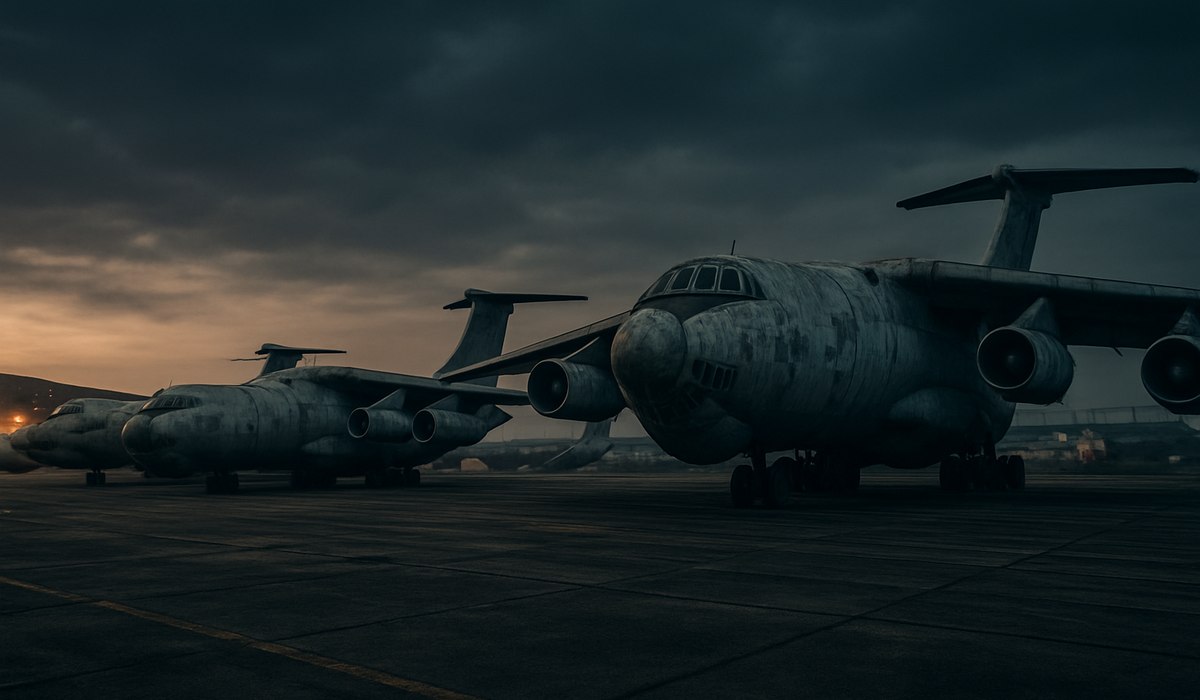
Image generated by AI
The Global Air Cargo Crisis: Aging Fleets Meet Manufacturing Gridlock
The world's major cargo airlines freighters operators face an unprecedented operational crisis in 2026, forced to maintain aging aircraft decades beyond their intended retirement dates. Manufacturing delays and supply chain failures have created a perfect storm preventing the modernization that logistics carriers desperately need. What was once a temporary workaround has become industry standard—keeping increasingly expensive-to-maintain freighters operational while new aircraft remain trapped in global production backlogs.
The demand for high-capacity, fuel-efficient cargo aircraft has reached historic peaks, yet the path to fleet renewal remains blocked by systemic manufacturing bottlenecks across aerospace suppliers worldwide.
The Perfect Storm: Why Cargo Airlines Can't Modernize Now
The convergence of three critical factors has paralyzed fleet modernization across the cargo sector. First, production facilities manufacturing next-generation freighters remain severely constrained by component shortages and labor availability. Second, raw material supply chains—particularly advanced aluminum alloys and composite materials—continue experiencing disruptions that began in 2024 and show no signs of resolution. Third, lead times for new aircraft now stretch 4-5 years minimum, making immediate fleet replacement impossible.
Major cargo airlines freighters operators have collectively placed orders for newer aircraft, yet delivery schedules slip monthly. Meanwhile, their existing fleets age without reprieve. Airlines operating routes between Asia-North America corridors and European distribution hubs report maintenance costs rising 15-20% annually on aging freighters. This creates a vicious cycle: higher costs justify the business case for modernization, yet manufacturing delays prevent execution of replacement strategies.
The situation has become so acute that some carriers are converting older passenger aircraft into freighters as a stopgap measure—a solution that creates additional expenses and regulatory complexities.
Manufacturing Bottlenecks and Supply Chain Failures
Global aerospace manufacturing remains constrained by persistent supply chain failures that extend well beyond aircraft assembly. Suppliers of specialized avionics systems, hydraulic components, and electrical equipment report backlogs stretching into 2027. Engine manufacturers—critical for any fleet modernization strategy—face their own production constraints, making engine availability the primary bottleneck for aircraft delivery schedules.
The semiconductor shortage that impacted broader manufacturing continues affecting aircraft systems production. Advanced autopilot systems, flight management computers, and cargo handling equipment all depend on semiconductor components in short supply. Composite material manufacturers report that capacity expansions planned for 2024-2025 have experienced unexpected delays, reducing the throughput of new aircraft fuselages.
International logistics networks transporting these components have stabilized somewhat compared to 2024-2025 conditions, but recovery remains incomplete. Carriers report that sourcing raw materials from alternate suppliers introduces quality control complications and extends validation periods before integration into aircraft production.
The Hidden Costs of Keeping Aging Freighters Airworthy
Extending the operational lifespan of cargo airlines freighters well beyond design specifications creates escalating financial and operational burdens. Maintenance intervals grow more frequent as aircraft age, with some 30+ year-old freighters requiring inspections that consume 2-3 weeks of operational downtime per year. Parts availability becomes increasingly challenging as manufacturers discontinue components for obsolete models.
Fuel consumption on aging aircraft runs 12-18% higher than modern alternatives, creating substantial cost premiums on long-haul routes. A single trans-Pacific freighter flight can consume $15,000-$22,000 more in fuel annually compared to new-generation aircraft. When aggregated across fleets of 40-80 aging freighters, these costs reach tens of millions of dollars.
Environmental compliance represents another hidden cost category. Aging freighters emit higher levels of particulate matter and nitrogen oxides, subjecting operators to increasing regulatory fines and landing fee surcharges at major European and North American hubs. Some airports have begun restricting aging aircraft operations during peak hours, reducing scheduling flexibility.
Crew training and retention suffer when airlines operate mixed fleets of legacy and modern systems. Pilots trained on advanced avionics systems experience frustration operating decades-old cockpits, contributing to pilot shortages in the cargo sector.
Routes Most Affected by Fleet Age Crisis
Primary logistics corridors experience the most acute impacts from aging cargo aircraft. The Asia-North America route—dominated by carriers operating aging Boeing 747-400F and Airbus A300-600F freighters—faces capacity constraints despite rising demand. European distribution hubs depending on regional feeder flights encounter schedule unreliability as aging twin-turboprop freighters experience increased maintenance downtime.
Middle East-Asia routes have seen some modernization, as Gulf-based carriers invested in newer A330F aircraft, but capacity growth remains insufficient for demand. Domestic US cargo routes operated by express carriers show the highest concentration of aging freighters, with some aircraft exceeding 35 years in service.
Cross-border supply chain routes between Mexico-US and Canada-US rely heavily on aging freighters, creating vulnerability for just-in-time manufacturing operations.
When Will Relief Come for the Air Cargo Industry?
Industry analysts project that cargo airlines freighters delivery schedules will begin normalizing in late 2026 and into 2027, assuming no major supply chain disruptions emerge. Manufacturers have expanded production capacity for next-generation aircraft, though full utilization depends on sustained component availability. Airlines have reordered schedules multiple times, creating uncertainty about actual delivery timelines.
The most optimistic scenarios suggest 60-80 new aircraft deliveries to global cargo operators by end of 2027, representing only 8-10% of the aging fleet that requires modernization. Full fleet renewal across the industry would require 400-500 new aircraft deliveries, a target unlikely before 2030-2032 at current production rates.
Some carriers are hedging modernization timelines by investing in aircraft life-extension programs, upgrading avionics and engines on existing freighters to extend operational viability an additional 5-7 years. This approach costs $4-6 million per aircraft but remains significantly cheaper than waiting for new aircraft deliveries.
Key Data: Cargo Industry Modernization Crisis
| Metric | 2024 Value | 2026 Value | Change |
|---|---|---|---|
| Average cargo fleet age (years) | 18.2 | 19.1 | +4.9% |
| Typical freighter aircraft lead time (months) | 48 | 54-60 | +12-25% |
| Maintenance cost per flight hour (aging freighters) | $8,400 | $9,800 | +16.7% |
| Annual new freighter deliveries (global) | 22 | 35-42 | +59-91% |
| Percentage of 30+ year-old freighters in service | 18% | 22% | +4% |
| Fuel efficiency gap (new vs. 20-year-old aircraft) | 15% | 18% | +3% |
What This Means for Travelers
Though cargo operations occur behind the scenes, disruptions in air cargo affect consumer shipping, e-commerce delivery speeds, and supply chain reliability for goods travelers purchase.
Actionable Takeaways for Travelers:
-
Expect extended shipping timelines for express and overnight delivery options, as cargo capacity constraints reduce available inventory on premium services.
-
Plan purchases earlier than usual when ordering products requiring air cargo transport, particularly for time-sensitive items or international orders.
-
Monitor carrier reliability by checking FlightAware cargo tracking for routes your shipments travel, understanding that aging freighters experience higher cancellation rates.
-
Verify shipping methods before checkout by selecting ocean freight options when available, as air cargo premiums have increased 20-25% due to capacity constraints.
-
Build buffer time into travel planning for goods requiring international air cargo, allowing 2-
Disclaimer
This article is for informational and educational purposes only. It does not constitute legal, financial, or professional advice. While we strive to provide accurate and up-to-date information, travel policies, regulations, and conditions change rapidly. Always verify information with official sources before making travel decisions. Nomad Lawyer makes no representations about the accuracy, reliability, completeness, or suitability of the information provided. Readers should consult qualified professionals for advice specific to their circumstances. The views expressed in this article are those of the author and do not necessarily reflect the views of Nomad Lawyer.
Kunal K Choudhary
Co-Founder & Contributor
A passionate traveller and tech enthusiast. Kunal contributes to the vision and growth of Nomad Lawyer, bringing fresh perspectives and driving the community forward.
Learn more about our team →