
Cape Town Redefines Inclusive Heritage Tourism: R27.3 Billion Economic Impact, Record Aviation Inflows, and Landmark Access Across the Peninsula
Cape Town secures top global destination accolades in 2026, driving R27.3B in tourism value and 11.1M airport passengers through inclusive access across its iconic heritage landmarks.

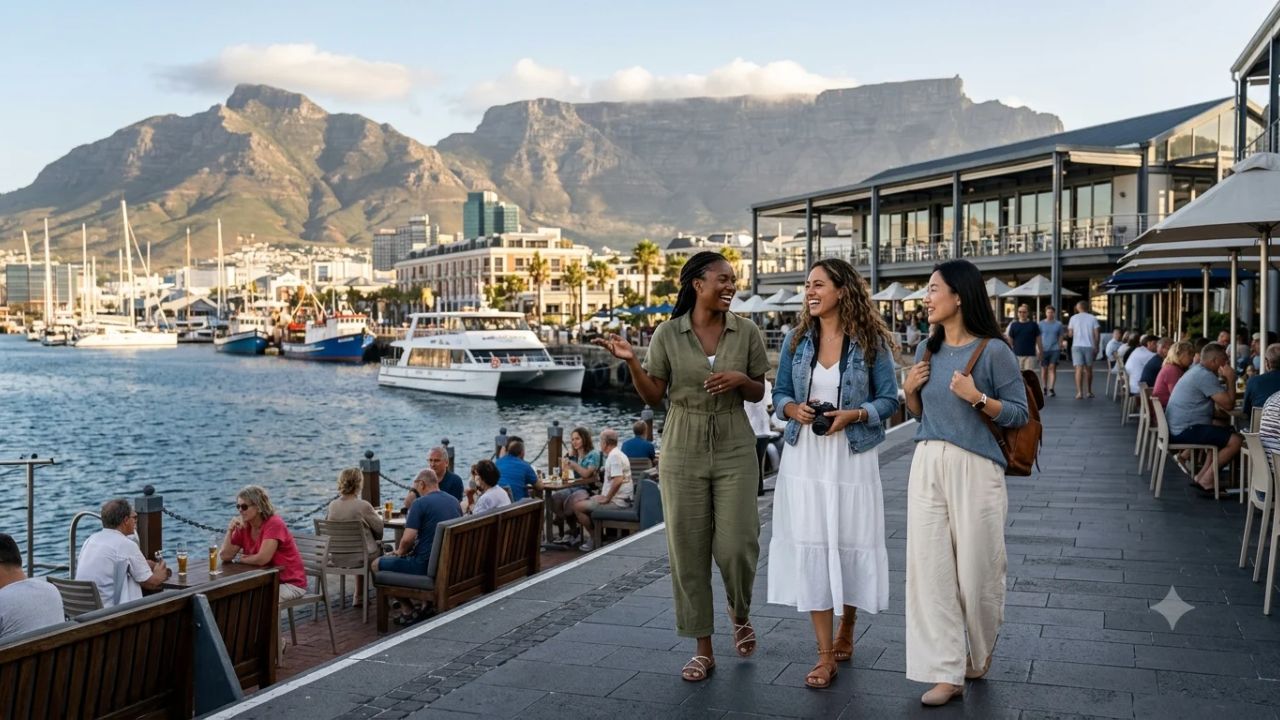
Image generated by AI
Crowned with the prestigious 2026 SPARTACUS Travel Award for Best LGBTQ+ City Destination and independently voted the world’s leading city destination by international travel panels, Cape Town has fundamentally redefined inclusive cultural tourism by opening its world-renowned natural and historical landmarks to diverse global travelers. Moving far beyond the confines of specialized nightlife enclaves, the legislative capital of South Africa has woven uncompromised personal safety, universal physical accessibility, and progressive hospitality training into the core fabric of its mainstream visitor economy. This deliberate alignment has generated an astounding R27.3 billion ($1.52 billion USD) in metropolitan tourism value across the past operational cycle—directly sustaining over 91,000 local jobs—while driving national LGBTI economic contributions to an estimated R250 billion annually.
Supported by record-breaking passenger throughput at Cape Town International Airport (CPT), which processed 11.1 million travelers in 2025 alone, the Mother City’s integrated approach demonstrates that embracing diversity directly enhances long-stay tourism yields. Overseas visitors now record an average length of stay of 9.5 nights, channeling vital foreign exchange reserves into the surrounding Western Cape economy through luxury accommodation, boutique viticulture, and conservation excursions.
Integrating the 'Cape Town Big 6': Seamless Access Across Heritage Sanctuaries
At the epicenter of Cape Town’s tourism resurgence is the collaborative management of the celebrated "Cape Town Big 6" attractions. By removing subtle physical, cultural, and informational barriers, municipal custodians ensure that solo adventurers, couples, multi-generational families, and diverse global tour groups explore the peninsula’s historic treasures without friction.
CAPE TOWN 'BIG 6' HERITAGE & NATURAL ICON TOPOLOGY
| Column 1 |
|---|
| MARITIME & CIVIC HUBS HIGH-ALTITUDE CONSERVATION HISTORIC & COASTAL REACHES |
| • V&A Waterfront • Table Mountain Aerial Cableway • Groot Constantia Wine Estate |
| (Harbor Dining & Retail) (360° Summit Access) (Est. 1685 / Wine Route Anchor) |
| • Robben Island Museum • Kirstenbosch Botanical Garden • Cape Point Nature Reserve |
| (UNESCO Human Rights Site) (8,200 Floral Species / Canopy) (Southwestern Tip / Chapman's Peak) |
- V&A Waterfront: Welcoming over 24 million annual domestic and international visitors, this vibrant maritime precinct functions as the city’s primary pedestrian gateway, linking luxury shopping complexes with historical dry docks and open-air performance amphitheatres.
- Robben Island Museum: Departing directly from the Nelson Mandela Gateway at the V&A Waterfront, ferries transport reflective international visitors across Table Bay to this consecrated UNESCO World Heritage site, honoring democratic resilience, human rights, and the triumph over apartheid.
- Table Mountain Aerial Cableway: Climbing 1,067 meters above sea level within state-of-the-art rotating cabins, the cableway transported over 1 million passengers in 2025—surpassing its 33-millionth visitor milestone since inception—while anchoring the broader Table Mountain National Park, which welcomes 4.2 million recreational users annually.
- Kirstenbosch National Botanical Garden: Nestled against the eastern mountain slopes, this sanctuary protects the Cape Floral Kingdom—boasting over 8,200 plant species, 80% of which are strictly endemic to the region—via elevated canopy walkways and educational conservatories.
- Groot Constantia: As the oldest operating wine estate in South Africa (founded in 1685), the farm welcomes 450,000 wine tourism visitors annually, integrating Manor House museum heritage with award-winning cellar tastings and ethical farm-to-table gastronomy.
- Cape Point & Chapman’s Peak Drive: Hugging vertical sea cliffs towering over the turbulent Atlantic Ocean, the scenic road corridor guides travelers to the dramatic southwestern extremity of the African continent, combining rugged nature reserves with active marine wildlife protection.
Landmark Footfall, Aviation Metrics, and Hospitality Yields
Cape Town’s structural commitment to open-door tourism has stimulated remarkable performance across air transit, maritime dockings, and municipal lodging sectors:
| Indicator / Landmark Sector | Annual Volume / Performance Metric | Economic / Infrastructure Contribution | Primary Operational Highlights |
|---|---|---|---|
| Cape Town Int'l Airport (CPT) | 11.1 Million Passengers | Best Airport in the World Recognition | 228 Int'l Flights / Week (24 Airlines / 31 Direct Cities) |
| Metropolitan Tourism GDP | R27.3 Billion ($1.52B USD) | 91,000 Direct & Indirect Jobs | Average Overseas Length of Stay: 9.5 Nights |
| National LGBTI Travel Spend | R250 Billion ($13.9B USD) | National Retail & Hospitality Driver | Sustained Multi-Seasonal Year-Round Bookings |
| Table Mountain Cableway | 1,000,000+ Annual Riders | 33 Million Total Lifetime Passengers | Digital Queue Automation & Eco-Biodiversity Protection |
| V&A Cruise Liner Terminal | 90+ Seasonal Ship Dockings | Hundreds of Thousands of Day Arrivals | Direct Berth Access to City Center & Ferries |
| Short-Term Rental Supply | 27,000+ Active Listings | R14.4B GDP Impact / 42,000 Jobs | Accounts for 70% of Residential Units in Cape Town CBD |
The expansion of direct long-haul air routes has fundamentally reduced transit friction. With 228 weekly international services linking Cape Town directly to hubs across North America, Europe, the Middle East, and Sub-Saharan Africa, foreign visitors bypass secondary domestic connections, arriving energized and ready to experience the Western Cape.
CORE ADVANTAGES OF CAPE TOWN'S INCLUSIVE MODEL
| Column 1 |
|---|
| [✓] Global Award Verification: 2026 Spartacus Award & #1 Best City in the World accolades. |
| [✓] Integrated Heritage Access: Seamless transit between Table Mountain, Robben Island, and Winelands. |
| [✓] Decentralized Accommodation: 27,000+ verified rentals distributing revenue to local neighborhoods. |
| [✓] Endemic Biodiversity Protection: Responsible eco-tourism across 8,200 unique Cape floral species. |
| [✓] World-Class Aviation Infrastructure: Automated biometric processing and premier airport audits. |
Maritime Cruise Tourism and Harbor Economic Catalysts
The modernization of the dedicated V&A Waterfront cruise terminal has catalyzed a boom in maritime arrivals. During the peak southern hemisphere cruise season, the port accommodates more than 90 luxury vessel calls from leading international lines, including Silversea, MSC Cruises, and Cunard.
Because the berth is situated within walking distance of central urban retail, dining, and gallery districts, disembarking passengers generate immediate high-yield economic returns. The terminal’s direct proximity to the Robben Island departure jetty allows cruise passengers on compressed day-stop itineraries to seamlessly combine historical excursions with gourmet lunches along the harbor before embarking on evening sailings.
Short-Term Rentals and Community Wealth Distribution
The decentralization of accommodation options across the Cape Peninsula has restructured traditional lodging economics. With over 27,000 active short-term rental listings registered across neighborhoods like Green Point, Sea Point, Camps Bay, and the City Bowl, the sector contributes R14.4 billion to local gross domestic product while sustaining approximately 42,000 jobs across property maintenance, design, and neighborhood culinary services.
In the Central Business District, short-term rentals comprise roughly 70% of residential apartment occupancy, allowing overseas visitors to reside safely within vibrant urban walking corridors. This flexible lodging ecosystem provides diverse price points and tailored amenities for solo remote professionals, digital nomads, and families during peak holiday periods when traditional boutique hotels reach maximum capacity.
Practical Travel Advisory for Exploring Cape Town
To maximize your journey across Cape Town’s heritage and coastal attractions, keep the following travel advice in mind:
- Table Mountain Weather Contingencies: Table Mountain’s cableway operations are strictly weather-dependent; sudden shifts in the southeasterly wind (the "Cape Doctor") can pause operations. Book flexible tickets online and ascend early on clear mornings when summit visibility is optimal.
- Robben Island Ticket Reservations: Ferry passages to Robben Island frequently sell out weeks in advance during the peak summer and autumn seasons. Secure bookings well ahead through the official Robben Island Museum digital portal.
- Local Neighborhood Navigation: While Cape Town’s primary commercial precincts—including the V&A Waterfront, Sea Point Promenade, and Constantia—are pedestrian-friendly, utilize authorized rideshare services like Uber or licensed private tour operators when moving between suburban attractions after dark.
- Currency and Wine Estate Shipping: South Africa utilizes the South African Rand (ZAR). Credit cards are universally accepted across wine estates in Constantia and Franschhoek, with many historic cellars offering bonded international door-to-door temperature-controlled case shipping to Europe and North America.
Frequently Asked Questions (FAQ)
What awards has Cape Town won for tourism in 2026?
Cape Town secured the 2026 SPARTACUS Travel Award for Best LGBTQ+ City Destination, earned the title of #1 Best City in the World by leading international travel panels, and Cape Town International Airport was recognized as the Best Airport in the World.
How much does tourism contribute to Cape Town’s economy?
Cape Town’s tourism sector generated R27.3 billion in direct and indirect economic contributions in 2025, sustaining approximately 91,000 jobs, while the national LGBTI travel segment contributes R250 billion annually across South Africa.
What are the 'Cape Town Big 6' tourist attractions?
The Cape Town Big 6 comprises the V&A Waterfront, Robben Island Museum, Table Mountain Aerial Cableway, Kirstenbosch National Botanical Garden, Groot Constantia Wine Estate, and Cape Point.
How many passengers use Cape Town International Airport?
Cape Town International Airport processed 11.1 million passengers in 2025, operating 228 international flights per week across 24 global airlines connecting to 31 direct destinations.
Related Travel Guides
South Africa Tourism Gateway Trends: Cape Town and OR Tambo Border Data Analysis 2026
Cape Town International Airport Expands with 250,000 Additional Airline Seats for Peak Season
Disclaimer
This article is for informational and educational purposes only. It does not constitute legal, financial, or professional advice. While we strive to provide accurate and up-to-date information, travel policies, regulations, and conditions change rapidly. Always verify information with official sources before making travel decisions. Nomad Lawyer makes no representations about the accuracy, reliability, completeness, or suitability of the information provided. Readers should consult qualified professionals for advice specific to their circumstances. The views expressed in this article are those of the author and do not necessarily reflect the views of Nomad Lawyer.
Naina Thakur
Contributor & Travel Specialist
Travel enthusiast and legal writer covering visa regulations, responsible tourism, and cultural journeys across global destinations.
Learn more about our team →