
Canada Warns Travelers of Nepal Trekking Scams and Helicopter Rescue Fraud in 2026
Canada warns travelers of sophisticated trekking cons and helicopter rescue insurance fraud in Nepal that have cost global insurers millions in 2026. Updated advisory signals heightened caution for Himalayan trekkers.

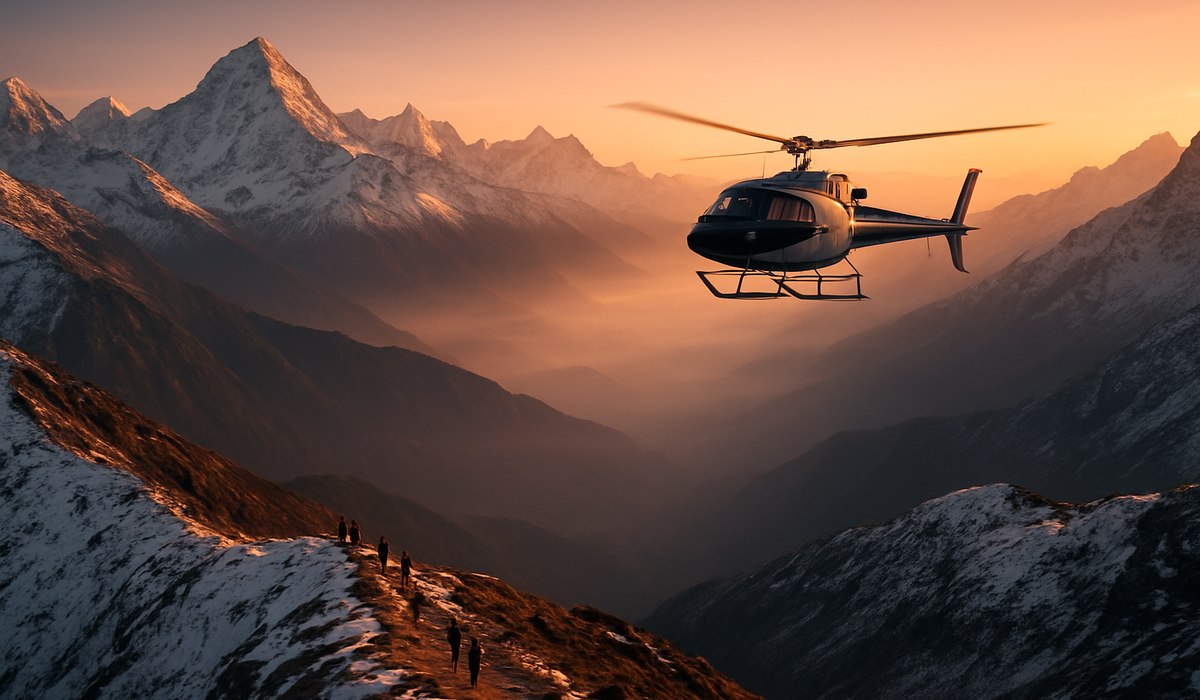
Image generated by AI
Canada Issues Updated Travel Advisory Amid Growing Nepal Trekking Fraud
Canada has issued an updated travel advisory for Nepal, alerting citizens to a sharp increase in organized trekking scams and fraudulent helicopter rescue schemes that have allegedly cost international insurers millions of dollars throughout 2026. The warning addresses both financial and medical risks facing foreign hikers who book expeditions through unvetted operators in the Himalayan region. Canadian authorities emphasize that while Nepal remains open to travelers, heightened due diligence is now essential for anyone planning high-altitude treks or mountaineering ventures in this popular adventure destination.
Canada's Updated Nepal Travel Advisory: What Changed in 2026
The Canadian government released revised travel guidance for Nepal in late March 2026, signaling a notable shift in risk assessment for adventure tourism. Officials specifically flagged patterns of "financially motivated misconduct" among trekking operators, helicopter charter services, and medical facilities in remote mountainous areas.
The advisory urges Canadian trekkers to research agencies thoroughly, examine insurance policy fine print, and establish written agreements defining what qualifies as a medical evacuation. Canadian officials note that helicopter lifts from high-altitude regions can exceed $50,000 USD per flight. The guidance emphasizes that some local intermediaries have allegedly treated foreign clients as profit opportunities, recommending unnecessary evacuations or staging fabricated emergencies.
Importantly, Canada warns travelers that insurance companies may deny claims if fraud is suspected in evacuation circumstances. This creates a dual-risk scenario: hikers face inflated costs while simultaneously risking coverage denial if irregularities emerge during claim processing. The advisory does not restrict travel to Nepal but clearly positions 2026 as a year requiring heightened vigilance for Himalayan adventurers.
The Rise of Trekking Package and Helicopter Rescue Scams
Investigations by Nepali authorities and international media have documented a sophisticated fraud ecosystem operating within Nepal's high-altitude tourism sector since at least 2022. Court filings and law enforcement briefings describe a coordinated network involving trekking agencies, helicopter operators, private hospitals, and local middlemen who allegedly work together to stage or exaggerate medical emergencies.
The operational pattern reportedly unfolds as follows: foreign trekkers report minor symptoms like stomach discomfort, breathing difficulty, or fatigue. Rather than recommending rest, descent, or ground-based medical care, network partners allegedly pressure clients toward urgent helicopter evacuation. Patients described as stable have been airlifted to Kathmandu private hospitals where treatment costs balloon significantly.
Investigative reports document hundreds of suspicious helicopter flights between 2022 and 2025, with forged flight manifests, inflated invoices, and fabricated medical records submitted to international health and travel insurers. Analysts estimate the fraud toll approaches $20 million globally. Beyond financial losses, experts warn this scheme harms legitimate trekkers by inflating insurance premiums across the industry and prompting insurers to tighten helicopter evacuation coverage for all adventurers seeking genuine emergency assistance in remote regions.
Trekking fraud extends beyond air rescue schemes. Tourism advocates report widespread cons targeting foreign hikers, including misrepresented guide credentials, understated route difficulty, hidden permit costs, and aggressive upselling of unnecessary medical services. Some trekkers reported feeling coerced into accepting helicopter flights under threats of deterioration or insurance complications. Commission-based incentive structures allegedly reward guides and lodge operators when clients are evacuated, creating financial pressures that prioritize expensive interventions over conservative medical approaches.
How to Protect Yourself: Due Diligence for Himalayan Trekkers
Protecting yourself begins with agency verification before booking any Nepal trekking expedition. Consult independent review platforms, contact previous clients directly, and verify that your chosen operator holds proper licensing through Nepal's tourism authority. Request detailed written itineraries specifying guide qualifications, included services, emergency protocols, and cost breakdowns with no hidden fees.
Insurance selection requires particular attention in 2026. Purchase comprehensive travel and evacuation insurance from reputable providers before departure. Review policy exclusions carefully, understanding what circumstances trigger coverage denial or claim challenges. Confirm that your policy explicitly covers high-altitude trekking at your intended elevation. Many standard policies exclude mountaineering above certain altitudes or require premium upgrades.
During your trek, establish clear communication with your guide about medical decision-making. Understand that common altitude-related symptoms like mild headache or nausea typically resolve through rest, hydration, and gradual descent rather than helicopter evacuation. Seek second opinions from lodge staff or other trekkers before accepting emergency transport recommendations. Document all medical consultations with timestamps and written notes. Keep copies of all receipts, medical records, and evacuation agreements in both digital and physical formats, accessible even if evacuated.
Research your specific route's hazards, altitude profiles, and typical medical challenges. Organizations like the International Society for Mountain Medicine provide free resources about altitude illness prevention and management. Consider hiring guides through established international trekking companies with transparent pricing rather than local fixers meeting you at airports.
Insurance Red Flags and What Travelers Should Know
Several insurance-related warning signs should trigger caution among Nepal-bound trekkers in 2026. Be skeptical if local guides or lodge operators strongly recommend specific helicopter services or hospitals without explaining why alternatives aren't viable. This pressure often signals commission-based incentives rather than medical necessity.
If a helicopter evacuation is recommended, request a written medical justification from the examining provider. Legitimate emergencies warrant documented clinical reasoning. Vague recommendations for "preventive evacuation" or statements like "it's better to be safe" often mask unnecessary procedures.
Insurance companies have begun investigating claims with heightened scrutiny for Nepal trekking incidents. Delays in claim processing may indicate that your insurer is examining evacuation circumstances for fraud indicators. Maintain detailed records proving you attempted to resolve issues through cheaper means before accepting evacuation. Document all conversations about evacuation recommendations and keep copies of written medical assessments.
Be aware that some insurers now require pre-authorization for helicopter evacuation in Nepal, meaning you must contact your insurer before accepting transport. Others have implemented caps on evacuation coverage for Nepal treks, potentially leaving you responsible for costs exceeding stated limits. Read these provisions carefully before purchasing your policy.
Key Data Table: Nepal Trekking Fraud by the Numbers (2022-2026)
| Metric | Figure | Source/Notes |
|---|---|---|
| Estimated Total Fraud Cost (2022-2025) | $20 million USD | International insurer investigations |
| Suspicious Helicopter Flights (2022-2025) | 400+ documented cases | Nepali law enforcement records |
| Average Helicopter Evacuation Cost | $40,000-$60,000 USD | International Medical Assistance reports |
| Insurance Claims Denial Rate (Nepal 2026) | 15-22% | Industry analyst data |
| Trekkers Affected Annually | 10,000-15,000 | Canadian and international travel advisory estimates |
| Primary Scam Type | Unnecessary/fabricated medical evacuations | 65% of documented fraud cases |
| Route Most Affected | Everest Base Camp Trek | Consumer complaint databases |
What This Means for Travelers
The updated Canadian advisory and international investigations signal that 2026 trekking in Nepal demands heightened preparation and financial awareness. Here's what active adventurers should prioritize:
-
Verify operator credentials extensively through independent databases and direct client references before committing funds. Request certifications from Nepal's Ministry of Culture, Tourism and Civil Aviation.
-
Purchase comprehensive insurance with helicopter evacuation coverage from established providers. Confirm altitude limitations and review exclusions thoroughly before departure.
-
Establish written emergency protocols with your trekking guide that define medical decision-making authority and evacuation thresholds, signed before your trek begins.
-
Document everything systematically—medical consultations, evacuation discussions, receipt preservation, and medication records—creating an audit trail if insurance claims arise.
-
**Research altitude illness management
Disclaimer
This article is for informational and educational purposes only. It does not constitute legal, financial, or professional advice. While we strive to provide accurate and up-to-date information, travel policies, regulations, and conditions change rapidly. Always verify information with official sources before making travel decisions. Nomad Lawyer makes no representations about the accuracy, reliability, completeness, or suitability of the information provided. Readers should consult qualified professionals for advice specific to their circumstances. The views expressed in this article are those of the author and do not necessarily reflect the views of Nomad Lawyer.
Raushan Kumar
Founder & Lead Developer
Full-stack developer with 11+ years of experience and a passionate traveller. Raushan built Nomad Lawyer from the ground up with a vision to create the best travel and law experience on the web.
Learn more about our team →