
Canada, US, and UK Issue Urgent Travel Warnings for Saudi Arabia Amid Middle East Tensions 2026
Multiple nations including Canada, Australia, and the UK have issued urgent advisories against non-essential travel to Saudi Arabia due to escalating missile and drone threats.

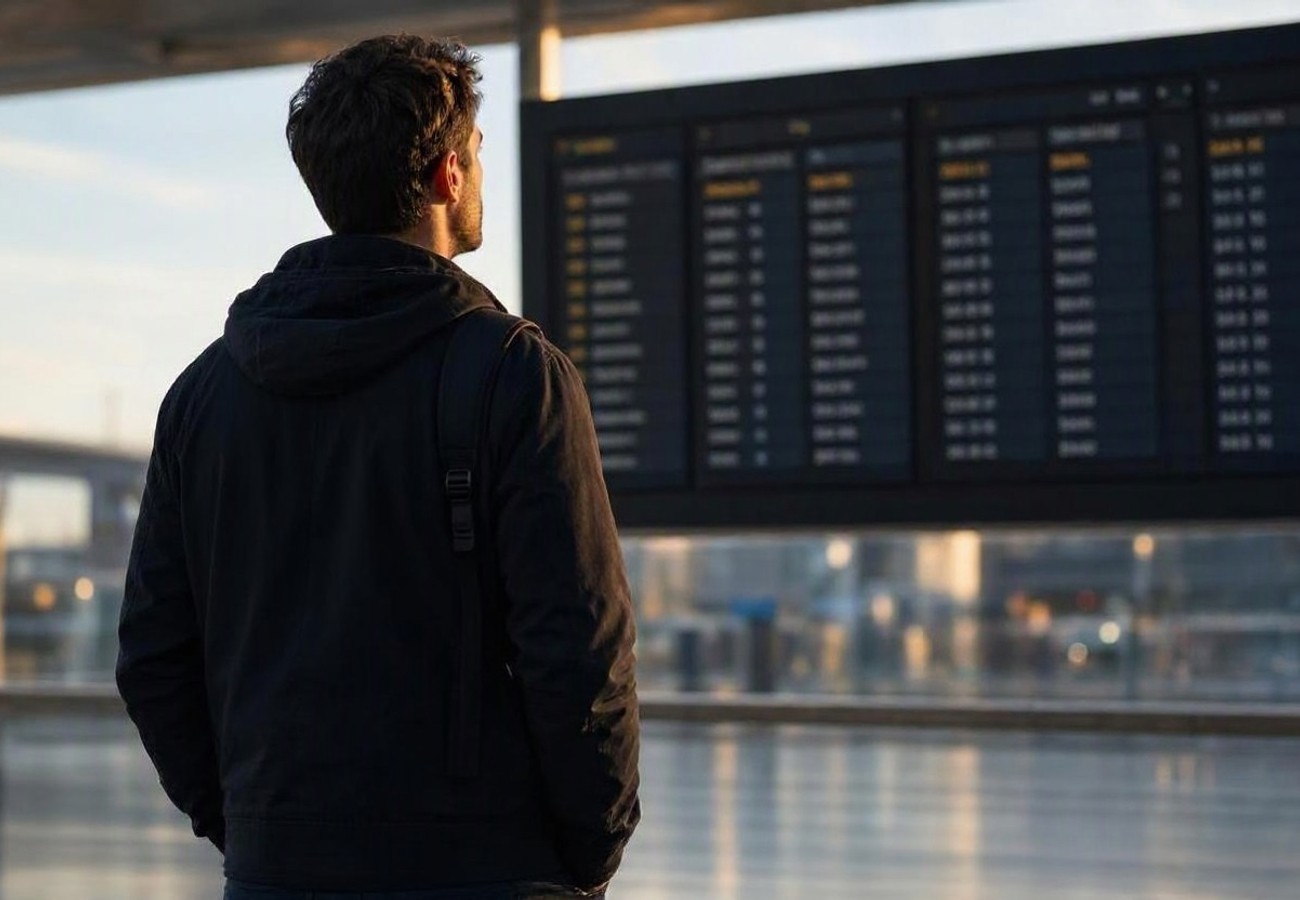
Image generated by AI
[Riyadh, October 9, 2026] — Canada and Australia have joined a growing coalition of nations issuing urgent warnings against non-essential travel to Saudi Arabia as Middle East security tensions escalate. The coordinated alerts follow a surge in regional instability, characterized by increased missile and drone activity targeting civilian and military infrastructure.
The updated advisories, released between September and October 2026, come from a broad group of allies including the United States, United Kingdom, Germany, the Netherlands, Sweden, and New Zealand. These governments are alerting citizens to the unpredictable nature of the current security environment, citing risks of falling military debris and sudden disruptions to aviation and transport networks.
Missile and Drone Threats Trigger Global Alerts
The immediate catalyst for these warnings is the heightened risk of aerial attacks. Canadian authorities updated their guidance on October 8, 2026, specifically highlighting the danger posed by drones and missiles. The Government of Canada warns that airports and major transport routes are high-risk zones where travelers must maintain extreme vigilance.
Australia's Smartraveller advisory, updated October 9, 2026, points to renewed Houthi military activity since July 2026 as a primary driver for the deteriorating security outlook. Similarly, the Netherlands has implemented an "orange" warning for most of the kingdom, citing specific threats to airports in Riyadh, Jeddah, Abha, Jizan, and Najran during early October.
Regional Risk Breakdown and Affected Zones
While most warnings advise against "non-essential" travel nationwide, several governments have designated specific "no-go" zones where the risk of armed conflict is highest.
High-Risk Zones and Restrictions by Country
| Country | Warning Level | High-Risk/Forbidden Areas | Key Concerns |
|---|---|---|---|
| United Kingdom | Avoid all but essential | Riyadh Province, Taif City, Taif Intl Airport, Aseer, Najran, Jizan | Infrastructure attacks |
| Canada | Reconsider non-essential | Southern provinces near Yemen border | Missile/Drone debris |
| Australia | Reconsider non-essential | Asir, Jazan, and Najran provinces | Houthi military activity |
| Netherlands | Essential travel only | Najran city (Red Warning) | Rapidly changing security |
| Germany | Discourage non-essential | Al-Baha, Asir, Jazan, Medina, Mecca, Najran, Tabuk | Wide-scale missile risks |
| Sweden | Avoid within 50km | Yemeni border regions | Energy & port infrastructure |
| United States | Level 3: Reconsider | Border regions and US interests | Terrorism & Iranian threats |
The United Kingdom's Foreign, Commonwealth & Development Office (FCDO) has taken a particularly granular approach, extending its restrictive warnings to include the capital, Riyadh. This is a significant escalation, as Riyadh serves as the primary hub for international business and diplomatic delegations.
What This Means for Travelers
For passengers currently holding bookings or planning trips to the Kingdom, these advisories translate into immediate operational risks. This is not a formal travel ban, but the practical implications are severe:
- Flight Volatility: Travelers should expect sudden airport closures and flight cancellations without prior notice. Airspace restrictions may lead to significant rerouting and delays.
- Insurance Complications: Traveling against official government advice (such as the UK's FCDO or US State Department warnings) can void travel insurance policies, leaving passengers liable for all costs associated with emergency evacuations or medical care.
- Legal Risks: German authorities have issued a specific warning regarding photography. Recording military installations, explosions, or sensitive infrastructure can lead to immediate legal repercussions or detention.
- Border Danger: All agencies agree that areas within 10km to 50km of the Yemeni border are extremely dangerous due to cross-border military exchanges.
Security Outlook and Next Steps
The security situation remains fluid. New Zealand's guidance, updated September 16, 2026, suggests that the risk is not merely a border dispute but part of a larger geopolitical tension involving the United States and Iran.
Travelers are urged to register with their respective embassies, monitor local security announcements in real-time, and establish contingency plans for rapid departure. The focus of international monitors remains on the vulnerability of "dual-use" infrastructure—ports, energy facilities, and airports—which are seen as primary targets in the current escalation.
FAQ: Saudi Arabia Travel Security 2026
Is there a total ban on travel to Saudi Arabia? No. Most countries, including Canada and Australia, are recommending that citizens "reconsider" or avoid "non-essential" travel. It is a high-level warning, not a legal prohibition.
Which cities are currently most at risk? While the southern provinces (Najran, Jazan, Asir) are the highest risk, the UK and Netherlands have specifically highlighted Riyadh, Jeddah, and Taif as areas facing potential infrastructure threats.
Will my travel insurance still cover me? Potentially not. Many insurers refuse claims if the traveler ignored a government advisory (e.g., a Level 3 US State Department warning). Check your policy's "Government Advice" clause immediately.
What should I do if I am already in Saudi Arabia? Follow all local security instructions, avoid military sites, refrain from photographing sensitive infrastructure, and ensure your embassy has your current contact information.
Stay alert and prioritize safety over itinerary.
Related Travel Guides
Disclaimer
This article is for informational and educational purposes only. It does not constitute legal, financial, or professional advice. While we strive to provide accurate and up-to-date information, travel policies, regulations, and conditions change rapidly. Always verify information with official sources before making travel decisions. Nomad Lawyer makes no representations about the accuracy, reliability, completeness, or suitability of the information provided. Readers should consult qualified professionals for advice specific to their circumstances. The views expressed in this article are those of the author and do not necessarily reflect the views of Nomad Lawyer.
Preeti Gunjan
Contributor & Community Manager
A passionate traveller and community builder. Preeti helps grow the Nomad Lawyer community, fostering engagement and bringing the reader experience to life.
Learn more about our team →