
Canada Tightens US Travel Rules as Ebola Screening Expands Across North America
Canada has issued updated travel guidance for US travel as Ebola-related restrictions tighten, introducing enhanced airport screening, quarantine requirements, and border controls affecting the world's busiest international travel corridor.

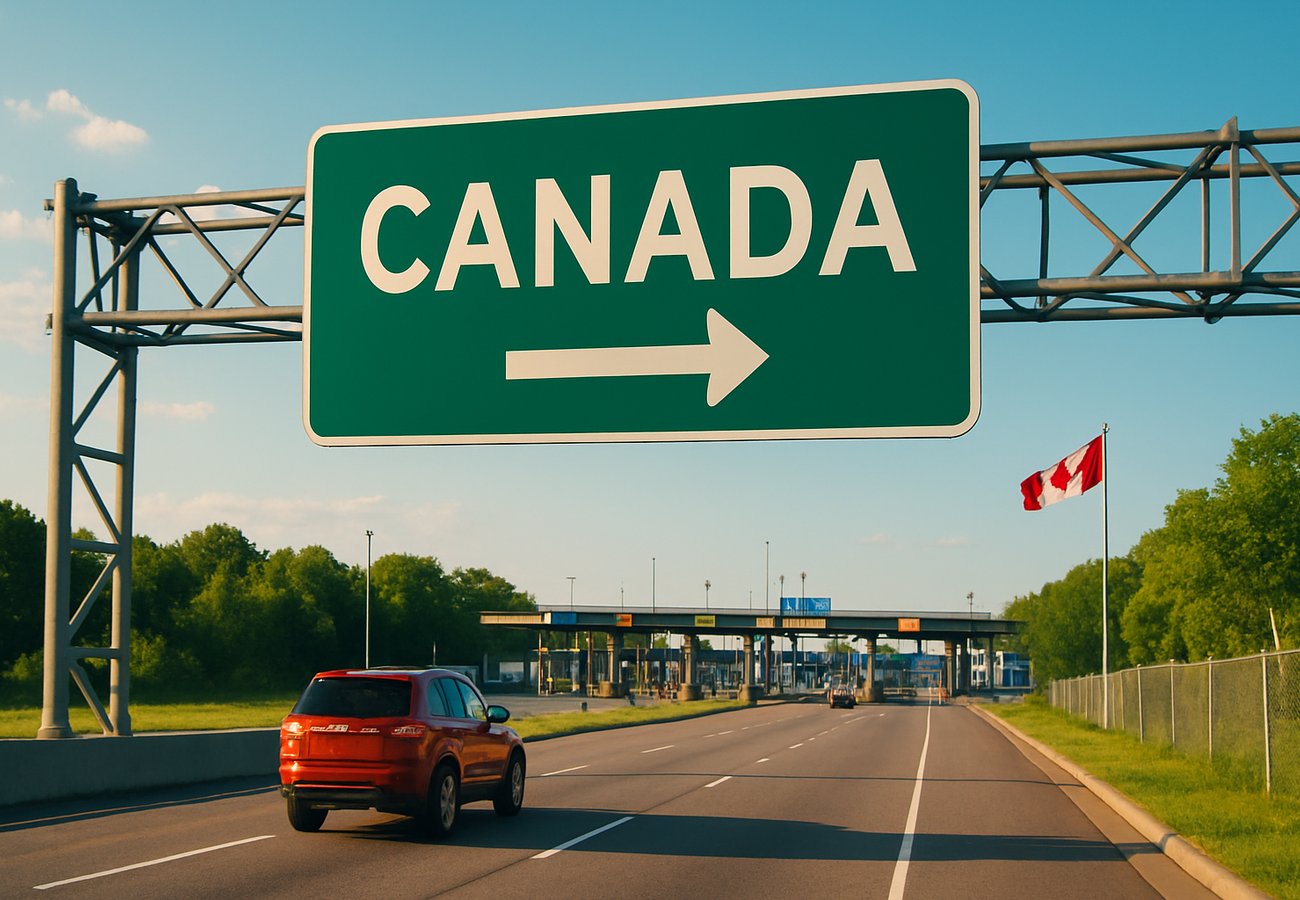
Image generated by AI
Canada Strengthens US Travel Guidance Amid Expanding Ebola Restrictions
Canada has released updated travel guidance for United States travel as Ebola-related health restrictions intensify across North America. The advisory warns that entry and exit rules, airport screening procedures, quarantine requirements, and border controls are evolving rapidly and could significantly impact cross-border movement between the two countries throughout the 2026 travel season.
The guidance reflects growing coordination between Canadian and American authorities responding to outbreak concerns originating in parts of Africa. Both governments are strengthening border controls, health monitoring systems, and airport screening infrastructure to prevent cross-border transmission while maintaining aviation and tourism operations. Travellers moving between Canada and the United States are being advised to monitor rapidly changing health requirements, potential quarantine measures, and additional screening procedures before departure.
Why Canada Updated Its United States Travel Advisory
Canada updated its travel guidance because international Ebola-related restrictions are becoming increasingly complex across North America. Canadian authorities warned that travellers may face enhanced health screening measures, quarantine procedures, or travel limitations depending on their recent travel history and potential exposure risks linked to affected African regions.
The advisory reflects concerns that rapidly evolving border measures could disrupt normal travel procedures between Canada and the United States—one of the world's busiest international travel corridors. Officials are encouraging travellers to verify all health and immigration requirements before departure because restrictions may change with limited notice as governments respond to the developing situation.
Reddit: "Anyone travelling Canada-US right now should check official government sites daily—rules are changing faster than flight schedules." — r/travel
Expanded Airport Screening and Health Declarations
Travel between Canada and the United States is being affected primarily through expanded airport screening systems, stricter health declarations, and targeted restrictions on travellers connected to outbreak regions. The United States has introduced enhanced Ebola screening and temporary entry controls affecting travellers who recently visited the Democratic Republic of Congo, Uganda, or South Sudan.
Canada has simultaneously introduced temporary border measures, including immigration document suspensions and mandatory quarantine rules for certain travellers arriving from affected areas. These overlapping systems are increasing the complexity of cross-border travel management throughout North America, with some passengers experiencing multiple rounds of health verification at different checkpoint stages.
Canada's New Border Measures Explained
The Canadian government announced temporary border measures designed to reduce Ebola entry risk. These include a 90-day suspension of immigration documents for residents of countries identified as high-risk outbreak zones, including the Democratic Republic of Congo, Uganda, and South Sudan.
Canada also plans to enforce mandatory 21-day quarantine requirements for citizens, permanent residents, and certain foreign nationals who recently travelled through affected regions. Travellers displaying symptoms may face immediate medical isolation and hospital assessment under the country's Quarantine Act. Canadian officials emphasised that these measures are precautionary and intended to protect public health while maintaining controlled international mobility.
US Strengthens Ebola Travel Controls
The United States has expanded Ebola-related travel restrictions through enhanced airport screening procedures, public health monitoring systems, and targeted entry controls for travellers linked to outbreak regions. Federal agencies including the CDC and Department of Homeland Security introduced temporary measures requiring additional screening and health verification at selected airports.
Certain travellers who recently visited affected African countries may face entry limitations or routing requirements through designated screening airports. American authorities continue emphasising that the overall public risk remains low, but officials have strengthened border protection systems to reduce the possibility of imported cases entering the country through international aviation networks.
Airports as Frontline Health-Security Infrastructure
Airports are once again becoming central to public health strategy because international aviation remains the fastest route for global disease movement. Major airports process millions of international passengers annually, creating both economic opportunity and public health vulnerability during outbreak situations.
Governments increasingly view airports as frontline health-security infrastructure where screening, passenger tracking, medical observation, and rapid response coordination must operate simultaneously. The current Ebola measures demonstrate how modern travel systems now rely heavily on integrated health surveillance technologies and cross-border coordination between aviation authorities, immigration agencies, and healthcare institutions.
Summer 2026 Travel Delays Expected
Travellers may experience delays, additional documentation checks, and longer airport processing times as enhanced screening procedures expand across North America. Health declarations, travel-history verification, temperature checks, and possible medical assessments may add time to international departure and arrival procedures.
Summer travel demand is already expected to remain high throughout 2026, meaning additional public health controls could create operational pressure at major international airports. Authorities are encouraging passengers to arrive earlier for flights, monitor government advisories regularly, and maintain flexibility in travel planning during the ongoing outbreak response period.
Why Full Travel Bans Remain Unlikely
Most governments are currently avoiding full-scale travel bans because global aviation systems and tourism industries remain highly interconnected economically. Officials are instead focusing on targeted screening and risk-management systems designed to reduce transmission risks without severely disrupting international mobility.
Lessons learned from previous global health crises have encouraged authorities to prioritise more flexible containment strategies that combine health surveillance with continued travel operations. This approach helps protect tourism, trade, business travel, and airline stability while still maintaining strong public health precautions.
The Canada-US Travel Corridor's Critical Role
The Canada–US travel corridor is one of the busiest international travel networks globally, supporting tourism, trade, business mobility, and family travel between the two neighbouring countries. Millions of passengers cross the border annually through airports, land crossings, and rail systems.
Any major disruption to this corridor could significantly affect airlines, tourism operators, airports, and regional economies throughout North America. Governments are therefore attempting to maintain operational continuity while implementing stronger health-monitoring systems capable of responding rapidly to emerging outbreak risks.
The Future of International Travel Security
The latest Ebola-related restrictions highlight how health security is becoming a permanent component of modern international travel management. Governments are increasingly integrating medical screening systems, traveller monitoring technology, and emergency border-response protocols into everyday aviation operations.
Rather than relying solely on complete border closures, future outbreak responses are likely to focus on flexible risk management strategies designed to preserve global mobility while strengthening public health protection. Travellers may therefore continue encountering evolving health requirements, digital declarations, and enhanced screening systems as part of the long-term transformation of international travel infrastructure.
Stay informed on border changes—your next trip depends on it.
Related Travel Guides
New Zealand Cuts Visa Fees for Pacific—But Activists Push for Full Exemption
Business Class Evolution Takes Heavier Turn as Airlines Compete for Premium Market Dominance
Disclaimer
This article is for informational and educational purposes only. It does not constitute legal, financial, or professional advice. While we strive to provide accurate and up-to-date information, travel policies, regulations, and conditions change rapidly. Always verify information with official sources before making travel decisions. Nomad Lawyer makes no representations about the accuracy, reliability, completeness, or suitability of the information provided. Readers should consult qualified professionals for advice specific to their circumstances. The views expressed in this article are those of the author and do not necessarily reflect the views of Nomad Lawyer.
Kunal K Choudhary
Co-Founder & Contributor
A passionate traveller and tech enthusiast. Kunal contributes to the vision and growth of Nomad Lawyer, bringing fresh perspectives and driving the community forward.
Learn more about our team →