
Canada Travel Boom 2026: Halifax Sees 13% Surge in US Tourists Amid Favorable Exchange Rates
Halifax and Nova Scotia are experiencing a significant tourism surge in 2026, driven by a strong US dollar and a growing preference among American travelers for cooler northern escapes.

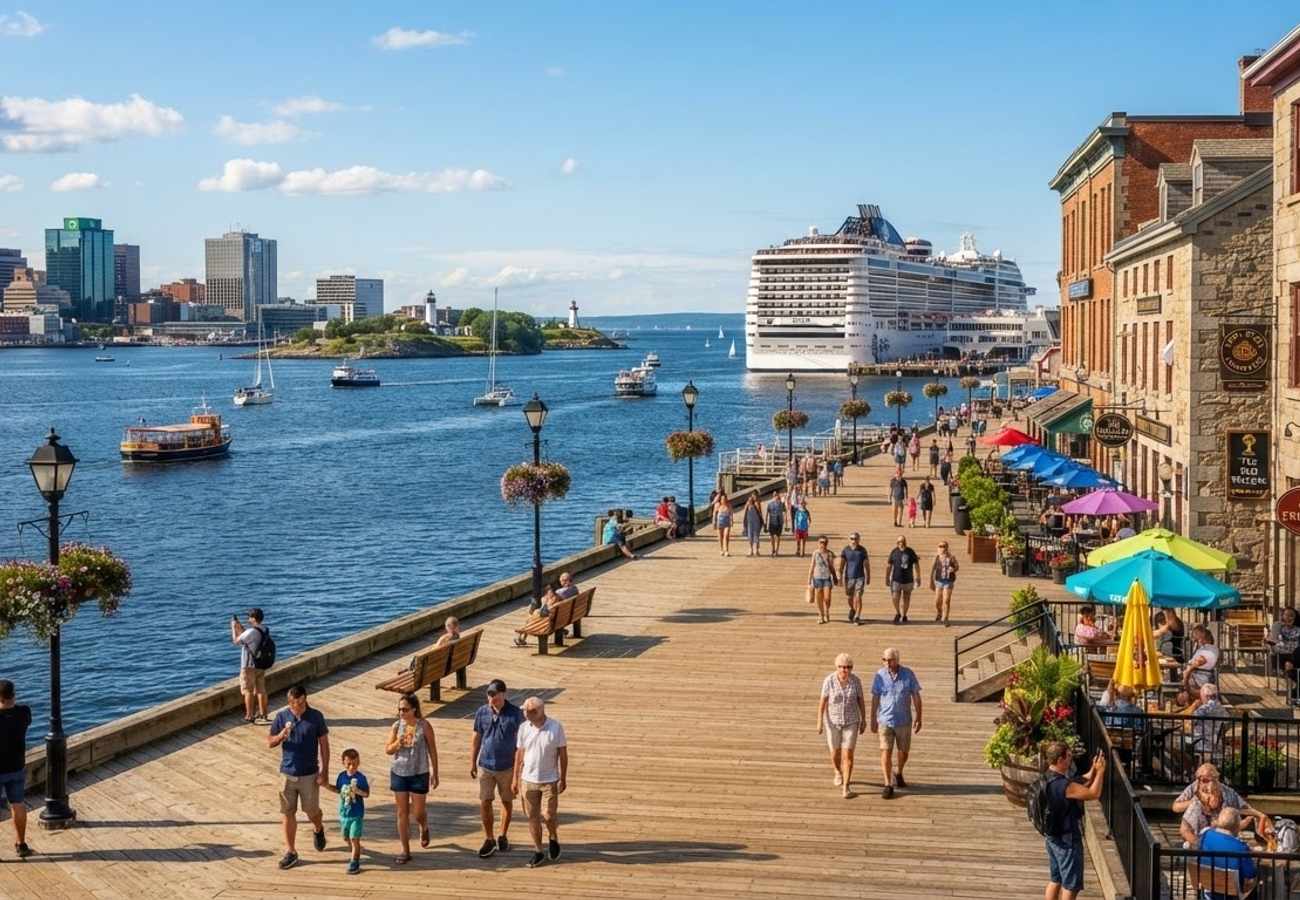
Image generated by AI
US travelers are increasingly swapping traditional summer hotspots for the cooler coasts of Nova Scotia, with Halifax reporting a 13% spike in American arrivals in 2026. This shift is powered by a potent combination of climate appeal and a strong US dollar.
The tourism dynamic between Canada and the United States has entered a complex new phase in 2026. While political frictions and Democratic reelection efforts have caused some Canadians to hesitate before crossing south, the reverse is not true. American visitors are flocking to Canada in record numbers, viewing the northern neighbor as both a financial bargain and a sanctuary from extreme summer heat.
Halifax, Nova Scotia, has emerged as a primary beneficiary of this trend. The city's resilience as a top-tier destination proves that practical incentives—specifically affordability and destination appeal—often outweigh geopolitical tensions when it comes to leisure travel.
The Halifax Draw: Maritime Charm and Cruise Growth
Halifax has solidified its status as a premier Atlantic hub by blending urban cultural experiences with raw natural landscapes. The city's strategic infrastructure, particularly its cruise facilities, has created a consistent pipeline of high-spending international visitors.
The growth is quantifiable. Tourism operators in Halifax report that American arrivals have grown by approximately 13% in 2026 compared to the previous year. This influx is distributed across three primary channels:
- Cruise Tourism: A steady stream of North American ships continues to dock, fueling local restaurants, shopping districts, and guided tours.
- Seasonal Leisure: Road-trippers and air travelers are increasingly choosing Nova Scotia for its historic neighborhoods and maritime heritage.
- Gateway Travel: Many visitors use Halifax as a base to explore the broader Nova Scotia region, including its remote coastal communities and outdoor landmarks.
Currency Advantages Driving US Spending
The primary catalyst for the 2026 boom is the economic advantage held by US dollar holders. Currency valuation has fundamentally altered the cost-benefit analysis for American vacationers, making luxury experiences in Canada more accessible.
In late August 2026, the exchange rate sat at approximately 1.39 Canadian dollars to 1 US dollar. This valuation has significantly increased the purchasing power of US tourists, lowering the effective cost of:
- High-end hotel accommodations.
- Fine dining and local seafood experiences.
- Regional tours and attraction tickets.
This financial incentive has extended to transportation. Ferry services linking the US to Nova Scotia report that American travelers now comprise the majority of advance bookings for the season.
National Trends: A Divergent Recovery Path
The surge in Halifax is not an isolated event but part of a nationwide trend. Data from July 2026 reveals that US residents made approximately 2.7 million trips to Canada via air and automobile. This represents a 6.5% increase over July 2025.
However, the recovery is not symmetrical. While Americans are heading north, Canadians are more cautious about traveling south.
The Divergence in Cross-Border Travel
| Metric | US Travelers to Canada (2026) | Canadian Travelers to US (2026) |
|---|---|---|
| Growth Trend | Strong Increase (6.5% National July YoY) | Slower, Gradual Recovery |
| Primary Drivers | Exchange Rate (1.39 CAD), Climate | Family/Business Ties |
| Key Inhibitors | Minimal | Trade Disputes, Tariff Concerns, Political Sentiment |
| Volume (July '26) | 2.7 Million Trips | Below 2024 Automobile Levels |
Economic uncertainty and trade disputes have led some Canadians to reconsider their spending habits, with some opting for domestic vacations over US-based trips. This has created a volatile environment for US tourism businesses that historically relied on the Canadian market.
Resilience Amidst Political Friction
Despite the contrasting flows of people, the underlying relationship between the two nations' tourism sectors remains robust. The 2026 data suggests that the "tourism bond" is driven by geography and personal connection rather than diplomatic alignment.
For Nova Scotia, the current climate provides a strategic window to diversify its visitor base and upgrade its tourism infrastructure. By leaning into its reputation for hospitality and its unique coastal environment, Halifax is successfully capturing a market that prioritizes experience and value over political climate.
The 2026 travel surge proves that when the exchange rate is right and the weather is cool, the border becomes a gateway rather than a barrier.
Related Travel Guides
Disclaimer
This article is for informational and educational purposes only. It does not constitute legal, financial, or professional advice. While we strive to provide accurate and up-to-date information, travel policies, regulations, and conditions change rapidly. Always verify information with official sources before making travel decisions. Nomad Lawyer makes no representations about the accuracy, reliability, completeness, or suitability of the information provided. Readers should consult qualified professionals for advice specific to their circumstances. The views expressed in this article are those of the author and do not necessarily reflect the views of Nomad Lawyer.
Kunal K Choudhary
Co-Founder & Contributor
A passionate traveller and tech enthusiast. Kunal contributes to the vision and growth of Nomad Lawyer, bringing fresh perspectives and driving the community forward.
Learn more about our team →