
Canada Issues Urgent Travel Advisories Across Caribbean and Northern South America Following Twin Earthquakes
A combination of powerful seismic activity near Venezuela and escalating security volatility has prompted Canada to expa

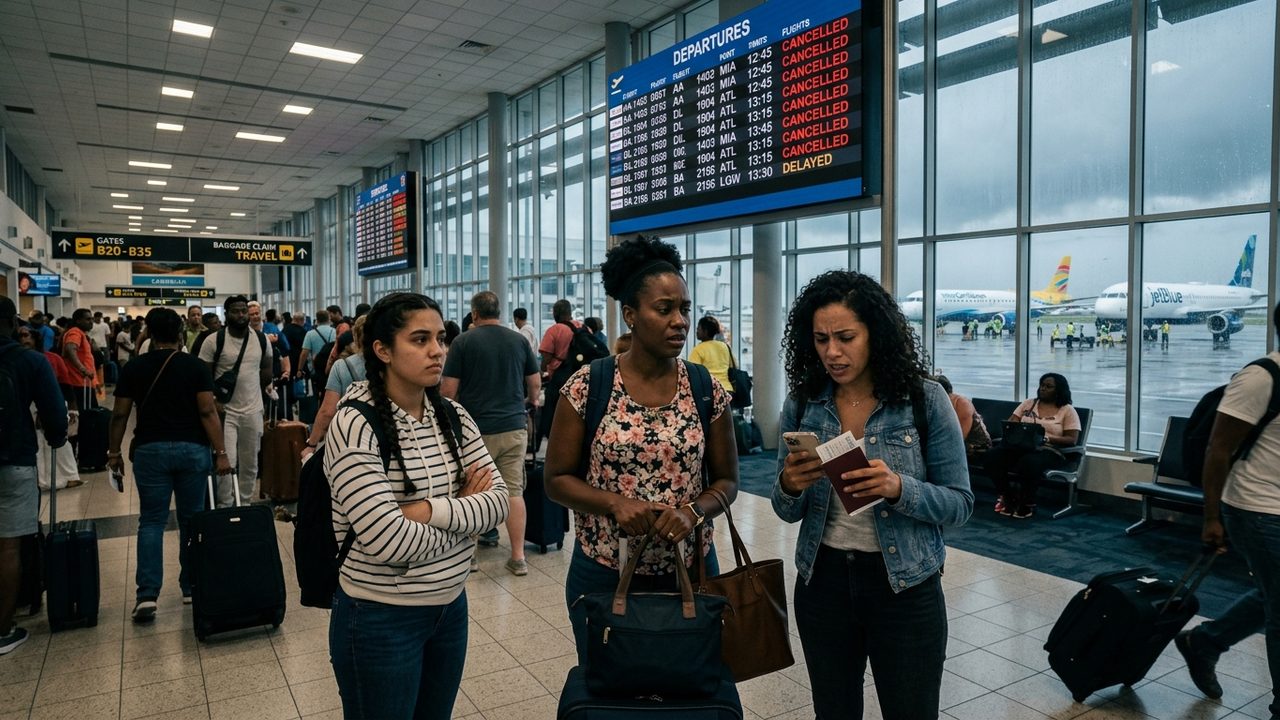
Image generated by AI
Regional Crisis Triggered by Major Seismic Events
A severe multi-country travel emergency has unfolded across the Caribbean and northern South America. The crisis was triggered by two powerful earthquakes—measuring 7.1 and 7.5 magnitude—striking near the Venezuelan coastline west of Caracas.
The resulting infrastructure collapse and subsequent security breakdowns have led Canada to issue urgent travel advisories. These alerts now encompass a wide array of destinations, including Puerto Rico, Brazil, Colombia, Guyana, and the US Virgin Islands, as the ripple effects of the disaster intensify regional instability.
Venezuela: Epicenter of Infrastructure and Aviation Collapse
Venezuela remains the focal point of the disaster. The twin earthquakes have caused catastrophic structural damage and the failure of essential services. Most notably, Caracas Airport has been closed indefinitely, effectively severing a primary international aviation gateway and isolating the nation from key global routes. With ongoing aftershocks threatening already weakened urban centers, the country's mobility and tourism networks have effectively collapsed.
Border Instability in Colombia, Brazil, and Guyana
The seismic crisis has exacerbated existing security tensions along the borders of northern South America:
- Colombia: The region is seeing a surge in cross-border instability. Armed criminal groups and smuggling networks are increasingly active along the Venezuela-Colombia frontier. Travelers face heightened risks of kidnapping and extortion, with military enforcement zones restricting movement in northern tourism corridors.
- Brazil: While structurally stable, Brazil's northern border zones are experiencing increased smuggling and illicit movement. The earthquake has disrupted logistical routes in Amazon-adjacent territories, leading authorities to discourage tourism near these sensitive frontier regions.
- Guyana: Tensions have escalated along the western frontier, particularly in the disputed Guayana Esequiba region. The natural disaster has complicated border monitoring and emergency coordination, increasing the risk profile for those traveling near disputed territorial zones.
Impact on Caribbean Territories and Tourism
While not all islands suffered direct seismic damage, the regional "contagion" of risk has expanded the advisory footprint:
- Puerto Rico: Now included in broader regional advisories, Puerto Rico is facing indirect pressure. While the island is physically intact, tourism sentiment has been dampened by regional transport disruptions and heightened security alerts.
- US Virgin Islands: Authorities are managing infrastructure vulnerabilities, including power and water interruptions, alongside the logistical strain of rerouted regional travel.
- British Virgin Islands: The BVI remains relatively stable, though it faces ongoing utility disruptions and logistical pressures on supply chains caused by the wider Caribbean crisis.
- Haiti: Already a high-risk environment due to extreme gang violence and civil unrest, Haiti’s location in an active seismic zone makes it one of the most dangerous destinations in the region, with advisories recommending complete avoidance.
Aviation and Tourism Industry Fallout
The closure of Caracas Airport and the implementation of airspace restrictions have destabilized aviation networks across the region. Major carriers are facing widespread flight cancellations and forced rerouting, impacting both business and leisure travel.
The tourism sector is experiencing a corresponding decline. Hotel bookings are dropping in affected and adjacent destinations, and cruise operators are revising or suspending island-hopping itineraries. The interconnected nature of Caribbean travel means that instability in one hub is rapidly impacting the economic viability of neighboring destinations.
Summary of Regional Risks
| Destination | Primary Risk Factor | Aviation/Infrastructure Status |
|---|---|---|
| Venezuela | Severe Seismic Damage / Total Collapse | Caracas Airport Closed Indefinitely |
| Colombia | Border Crime / Kidnapping / Smuggling | Restricted Border Movement |
| Brazil | Frontier Instability / Logistical Disruptions | Increased Monitoring in North |
| Guyana | Territorial Disputes / Border Security | Heightened Frontier Sensitivity |
| Puerto Rico | Regional Security Spillover / Petty Crime | Operational but under Advisory |
| US Virgin Islands | Utility Failures / Coastal Safety | Infrastructure Vulnerabilities |
| British Virgin Islands | Utility Disruptions / Logistical Strain | Stable but Utility-Fragile |
| Haiti | Extreme Violence / High Seismic Risk | Severe Movement Restrictions |
Key Takeaways
- Seismic Trigger: Twin earthquakes (7.1 and 7.5) near Venezuela have caused widespread infrastructure failure.
- Aviation Shutdown: The indefinite closure of Caracas Airport has disrupted regional flight corridors.
- Security Spillover: Border regions in Colombia, Brazil, and Guyana are seeing increased criminal activity and territorial tension.
- Broadened Advisories: Canada has expanded warnings to include Puerto Rico and other Caribbean territories due to interconnected risks.
- Tourism Decline: Cruise and hotel sectors are seeing significant booking drops across the Caribbean basin.
FAQ
Why is Puerto Rico under a travel advisory if the earthquake was in Venezuela? Puerto Rico is included due to the interconnected nature of Caribbean travel. Regional transport disruptions, emergency rerouting, and a general escalation of security alerts across the basin have prompted a more cautious advisory stance.
Can I still fly into the Caribbean? While most Caribbean airports remain open, many regional carriers are rerouting flights and canceling schedules due to the closure of Caracas Airport and other airspace restrictions in northern South America.
Which countries are currently considered the highest risk? Venezuela and Haiti are currently the highest-risk zones due to the combination of natural disaster collapse and extreme civil/criminal violence.
Related Travel Guides
Disclaimer
This article is for informational and educational purposes only. It does not constitute legal, financial, or professional advice. While we strive to provide accurate and up-to-date information, travel policies, regulations, and conditions change rapidly. Always verify information with official sources before making travel decisions. Nomad Lawyer makes no representations about the accuracy, reliability, completeness, or suitability of the information provided. Readers should consult qualified professionals for advice specific to their circumstances. The views expressed in this article are those of the author and do not necessarily reflect the views of Nomad Lawyer.
Kunal K Choudhary
Co-Founder & Contributor
A passionate traveller and tech enthusiast. Kunal contributes to the vision and growth of Nomad Lawyer, bringing fresh perspectives and driving the community forward.
Learn more about our team →