
Canada Tourism Infrastructure Investment Drops 0.5% in June 2026 as British Columbia Construction Slows
Canada's tourism infrastructure faces a critical juncture as June 2026 building investment dipped by 0.5%, signaling potential workforce and accommodation bottlenecks in British Columbia and Manitoba.

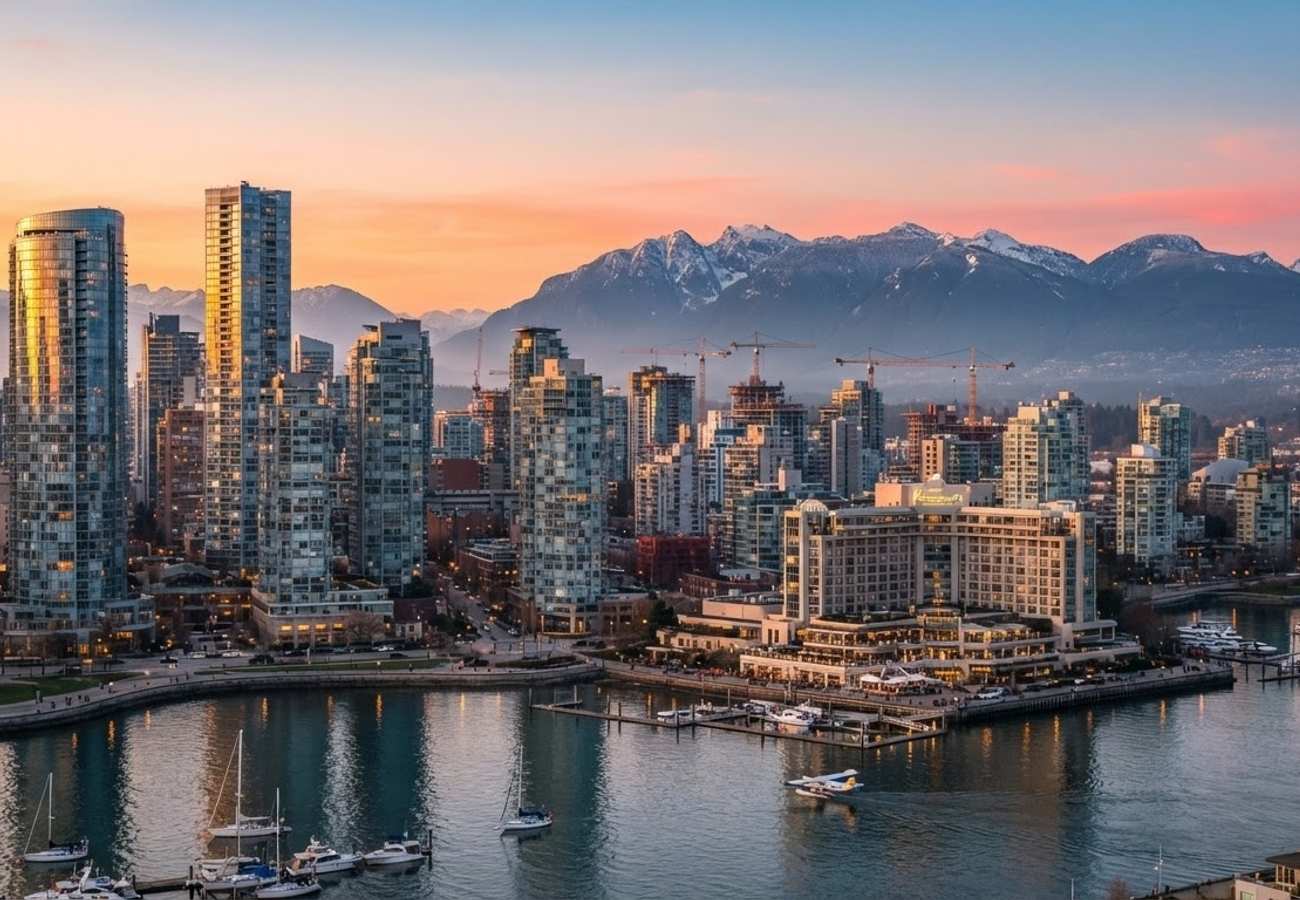
Image generated by AI
Canada’s tourism-related building investment fell by 0.5% in June 2026, with construction spending dropping $109.7 million to $23.2 billion. This dip highlights a growing tension between rising international visitor demand and the physical capacity to house both guests and the workforce.
The recent contraction in construction spending creates a complex challenge for the development of hotels, entertainment hubs, and commercial centers across Canada. While the industry is aggressively courting domestic and international travelers, the physical foundation—transportation-linked projects and hospitality facilities—is experiencing a momentary cooling.
Despite this monthly slide, the long-term trajectory remains positive; building construction investment is still 5.7% higher than it was during the same period last year. However, the June data reveals a fragmented recovery, with specific provinces facing sharper headwinds than others.
Regional Infrastructure Pressure Points
The investment dip is not uniform across the country. British Columbia and Manitoba have seen significant setbacks in residential construction, while Ontario and Alberta are struggling with commercial segments.
In British Columbia, a primary engine of Canada's visitor economy, multi-unit residential construction investment plummeted by $119.9 million. For a province that relies on global magnets like Vancouver, Whistler, and Victoria, this is more than a real estate issue. Tourism competitiveness depends on a holistic network; without multi-unit housing, seasonal workers and hospitality staff are priced out, leading to labor shortages that directly degrade the visitor experience.
Manitoba followed a similar pattern, recording a $51.3 million decrease in multi-unit residential investment. While its market is smaller, the lack of updated visitor facilities and employee housing threatens to stall the growth of its regional destinations.
Meanwhile, the commercial sector—the birthplace of new hotels and shopping districts—saw a national decline of $23.7 million, bringing total commercial investment to $3.5 billion. Alberta felt a $9.7 million hit, and Ontario saw a $5.8 million decrease. In Ontario, where urban centers and large-scale events drive the economy, any hesitation in commercial development limits the city's capacity to host major international delegations.
The Hidden Link: Housing and Hospitality
The correlation between residential construction and tourism is often overlooked. A hotel cannot operate without a concierge, a chef, or a housekeeping team. When multi-unit housing fails to keep pace with tourism growth, the resulting "hidden challenge" manifests as:
- Workforce Instability: Increased housing costs for tourism employees lead to higher staff turnover.
- Operating Overhead: Businesses are forced to provide subsidized housing or raise wages to compensate for rent hikes.
- Stunted Expansion: New resorts or attractions may be planned but cannot open due to a lack of available staff housing.
Economic Drivers of the 2026 Slowdown
Several systemic factors are currently weighing on Canada's ability to expand its tourism footprint:
| Challenge | Direct Impact on Tourism |
|---|---|
| Rising Material Costs | Higher capital expenditure for resorts and boutique hotels |
| Project Delays | Slower rollout of new visitor attractions |
| Housing Shortages | Critical gaps in seasonal workforce availability |
| Investment Caution | Developers pausing projects due to market uncertainty |
| Regulatory Timelines | Long gaps between permit approval and groundbreaking |
The Silver Lining: Building Permit Surge
While active investment dipped in June, the pipeline for future growth remains robust. The value of building permits surged by 18.5% in the same period. This suggests that the current dip is a timing issue rather than a lack of interest. Approved projects for new hotels, mixed-use tourism districts, and enhanced entertainment facilities are in the queue, though they face a lag before they translate into official construction spending.
Visitor Insider Tips: Navigating Canada's Current Growth Phase
For the high-net-worth nomad or the cultural tourist, these infrastructure shifts change how you should plan your visit:
- Off-Peak Windows: With housing pressures affecting seasonal staffing, visiting "shoulder seasons" (May or October) often yields better service and more available boutique accommodations than the peak July-August rush.
- Support Local Cooperatives: To bypass the commercialized zones currently facing investment lags, seek out community-led tourism initiatives and heritage stays in rural Alberta and Manitoba.
- Eco-Etiquette: As Canada pushes for sustainable infrastructure, travelers are encouraged to use regional rail and electric shuttle services, particularly in BC’s outdoor regions, to reduce pressure on aging road infrastructure.
- Dining Secret: In Vancouver and Victoria, look for "Pop-up" dining experiences. Because permanent commercial construction is slowing, many of the city's best culinary talents are operating in temporary, high-concept spaces.
Tourism Outlook
The 0.5% decline is a warning sign, not a crisis. Canada remains a premier global destination due to its unmatched natural landscapes and urban diversity. However, the June figures prove that tourism growth is inextricably linked to construction strength. To maintain global competitiveness, Canada must bridge the gap between permit approvals and actual groundbreaking, ensuring that the workforce supporting the industry has a place to live.
The future of Canadian travel depends less on the number of arrivals and more on the strength of the concrete and steel supporting them.
Related Travel Guides
Disclaimer
This article is for informational and educational purposes only. It does not constitute legal, financial, or professional advice. While we strive to provide accurate and up-to-date information, travel policies, regulations, and conditions change rapidly. Always verify information with official sources before making travel decisions. Nomad Lawyer makes no representations about the accuracy, reliability, completeness, or suitability of the information provided. Readers should consult qualified professionals for advice specific to their circumstances. The views expressed in this article are those of the author and do not necessarily reflect the views of Nomad Lawyer.
Kunal K Choudhary
Co-Founder & Contributor
A passionate traveller and tech enthusiast. Kunal contributes to the vision and growth of Nomad Lawyer, bringing fresh perspectives and driving the community forward.
Learn more about our team →