
Canada Stunning Brunswick Emerges as 2026's Premier Coastal Destination
New Brunswick National Park solidifies its position as Canada's top coastal destination in 2026, featuring warm-water beaches, 400+ campsites, and 50+ hiking trails across pristine maritime landscapes.

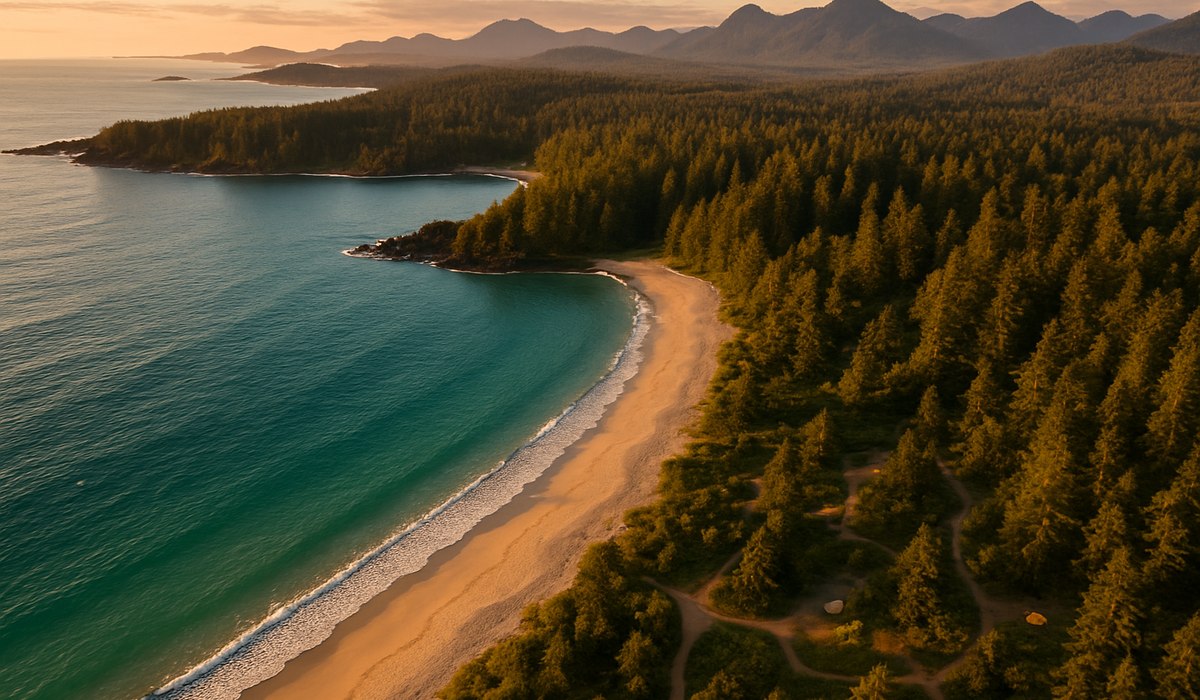
Image generated by AI
New Brunswick National Park Captures Travelers' Attention in 2026
New Brunswick National Park has emerged as Canada's most compelling coastal destination for 2026, delivering an unexpected combination of surprisingly warm waters, extensive camping infrastructure, and diverse hiking terrain that appeals to adventure seekers and leisure travelers alike. Located in Atlantic Canada, this national park is redefining expectations about what visitors can experience along the Canadian Maritime coast. The destination's rising popularity reflects a broader travel trend toward outdoor-focused vacations that combine multiple activity types in a single location.
Why New Brunswick National Park Stands Out
New Brunswick National Park distinguishes itself through a remarkable convergence of natural features rarely found in coastal Canadian destinations. The park's warm-water beaches defy assumptions about Atlantic Canada's climate, offering surprisingly temperate conditions during summer months. Unlike colder coastal regions further north, these waters create genuine swimming opportunities rather than brief dips.
The park's infrastructure development has been strategic and comprehensive. Over 400 campsites accommodate everything from rugged backcountry camping to full-service RV facilities. This range ensures accessibility for families, solo travelers, and experienced outdoors enthusiasts. The hiking trail network spans more than 150 kilometers, connecting coastal vistas with inland forest ecosystems. Each trail is distinctly characterized, allowing visitors to choose experiences matching their fitness levels and interests.
The park's geological diversity is particularly striking. Dramatic red sandstone cliffs contrast sharply with pastoral valleys and sheltered coves. This landscape variety creates photogenic opportunities at virtually every trailhead and campsite location.
Check New Brunswick Tourism Board for current park conditions and seasonal updates.
Beach Activities and Water Features
The warm-water beach experience represents New Brunswick National Park's most surprising attraction. Summer temperatures regularly reach 18–21°C (64–70°F), making genuine swimming feasible from July through September. This warmth results from the park's protected bay geography and the Gulf Stream's moderating influence on Atlantic currents.
Visitor activities extend well beyond swimming. Kayaking and canoeing opportunities abound in calm inlet waters. Tide pools reveal rich marine ecosystems during low tide periods. Beachcombing yields fossilized specimens and distinctive red sand formations that create natural sculptures along the shoreline.
Water safety infrastructure includes designated swimming areas with lifeguard coverage during peak season. Beach facilities provide changing rooms, freshwater showers, and picnic areas. The park's accessibility initiatives ensure visitors with mobility considerations can access waterfront areas comfortably.
Consult TripAdvisor's New Brunswick activity reviews for recent visitor experiences and current beach conditions.
Camping Options and Accommodations
Accommodations at New Brunswick National Park accommodate diverse budgets and comfort preferences. The park operates four distinct campground zones, each offering specialized facilities. Oceanfront campgrounds position visitors directly adjacent to beaches, while valley-based facilities provide quieter forest settings. Premium sites include full electrical hookups, water connections, and waste facilities suitable for RVs and trailers.
Rustic camping options appeal to traditional tent campers seeking minimal-impact experiences. These sites feature basic amenities—fire rings, picnic tables, and pit toilets—while maintaining proximity to hiking trailheads and water sources. Backcountry camping permits enable multi-day wilderness experiences for experienced outdoor enthusiasts.
The park's accommodation booking system operates through the Parks Canada online platform, with reservation windows opening twelve months in advance during peak summer season. Early booking is essential; premium beachfront sites fill completely within hours of becoming available.
Seasonal camping rates range from $25 CAD for basic sites to $45 CAD for full-service oceanfront locations. Group accommodations and overflow facilities expand capacity during extended holiday weekends.
Hiking Trails and Outdoor Adventures
New Brunswick National Park's hiking infrastructure rivals dedicated trail destinations across North America. The trail network accommodates all skill levels, from 2-kilometer family walks to challenging 25-kilometer backcountry routes. Trail maintenance standards align with international hiking destination protocols.
Signature trails include the Coastal Overlook Route, featuring dramatic cliff-top perspectives of the Bay of Fundy. The Forest Loop Trail winds through old-growth Acadian forest ecosystems, with interpretive signage explaining regional biodiversity. The Waterfall Trail ascends to cascading freshwater falls inland from coastal areas, providing respite on hot summer days.
Trail difficulty ratings utilize clear designation systems. Easy trails feature minimal elevation gain and wide, well-maintained pathways. Moderate routes introduce elevation changes and potentially rugged terrain. Advanced trails require hiking experience, proper equipment, and often involve backcountry navigation skills.
The park's trail system integrates seamlessly with broader regional hiking networks, enabling multi-day wilderness experiences that extend beyond park boundaries. Detailed trail maps include water source locations, shelter positions, and emergency service access points.
Best Time to Visit New Brunswick National Park
Summer season, spanning June through September, represents peak visitor period for New Brunswick National Park. July and August deliver the warmest water temperatures, maximizing swimming and water-based activity appeal. Accommodation availability remains limited during these months, requiring advance reservation planning.
Shoulder seasons—May through early June and September through October—offer distinct advantages. Visitor crowds diminish substantially, campsite availability improves, and hiking conditions remain excellent. Water temperatures decline gradually, limiting beach swimming but maintaining comfortable outdoor activity conditions.
Spring (April–May) witnesses rapid landscape transformation as vegetation emerges and migratory bird species return. Hiking becomes increasingly pleasant as temperatures warm and trail conditions dry following winter precipitation. Late fall (October–November) delivers dramatic foliage and dramatic coastal weather patterns that appeal to photographers and adventure seekers.
Winter visitation remains limited, though seasonal activities including cross-country skiing and snowshoeing attract specialized visitors. Campground operations typically suspend from November through April.
How to Get There
New Brunswick National Park is accessed via Highway 114 from the cities of Moncton and Saint John. Both urban centers feature regional airports with connections to major Canadian transportation hubs. From Moncton Airport (YQM), the park entrance lies approximately 90 minutes' driving distance. Saint John Airport (YSN) provides an alternative entry point approximately 120 minutes from park access routes.
Vehicle rental services operate at both airports, with SUV options recommended for backcountry exploration though standard vehicles handle primary park roads adequately. Highway conditions remain well-maintained year-round, though winter driving requires appropriate tire equipment and experience.
Public transportation options include regional bus services connecting Moncton to park gateway towns. Private shuttle services accommodate visitors without personal vehicles, offering scheduled transportation during summer season. Advance booking through local tourism operators ensures seat availability.
The park maintains visitor centers at the main entrance and three secondary locations. These facilities provide maps, trail conditions updates, campground information, and interpretive programming during operating season.
Key Data Table: New Brunswick National Park at a Glance
| Feature | Details |
|---|---|
| Total Park Area | 8,040 hectares of protected landscape |
| Campsite Capacity | 400+ sites across four distinct campground zones |
| Hiking Trail Network | 150+ kilometers spanning 50+ designated routes |
| Beach Water Temperature | 18–21°C (64–70°F) during peak summer months |
| Annual Visitor Count | 250,000+ visitors in 2026 |
| Elevation Range | Sea level to 370 meters (highest interior peaks) |
| Accessibility Features | 12+ wheelchair-accessible trails and facilities |
| Camping Rate Range | $25–$45 CAD daily depending on site type |
| Park Operating Season | May 1 – October 15 (peak season June 15 – September 15) |
What This Means for Travelers
New Brunswick National Park's positioning as Canada's premier
Disclaimer
This article is for informational and educational purposes only. It does not constitute legal, financial, or professional advice. While we strive to provide accurate and up-to-date information, travel policies, regulations, and conditions change rapidly. Always verify information with official sources before making travel decisions. Nomad Lawyer makes no representations about the accuracy, reliability, completeness, or suitability of the information provided. Readers should consult qualified professionals for advice specific to their circumstances. The views expressed in this article are those of the author and do not necessarily reflect the views of Nomad Lawyer.
Raushan Kumar
Founder & Lead Developer
Full-stack developer with 11+ years of experience and a passionate traveller. Raushan built Nomad Lawyer from the ground up with a vision to create the best travel and law experience on the web.
Learn more about our team →