
Camping Picturesque Spots Near Chicago: 5 Top-Rated Weekend Escapes
Discover five exceptional camping picturesque spots within driving distance of Chicago offering scenic landscapes, hiking trails, and perfect weekend getaway options for nomadic professionals and outdoor enthusiasts in 2026.

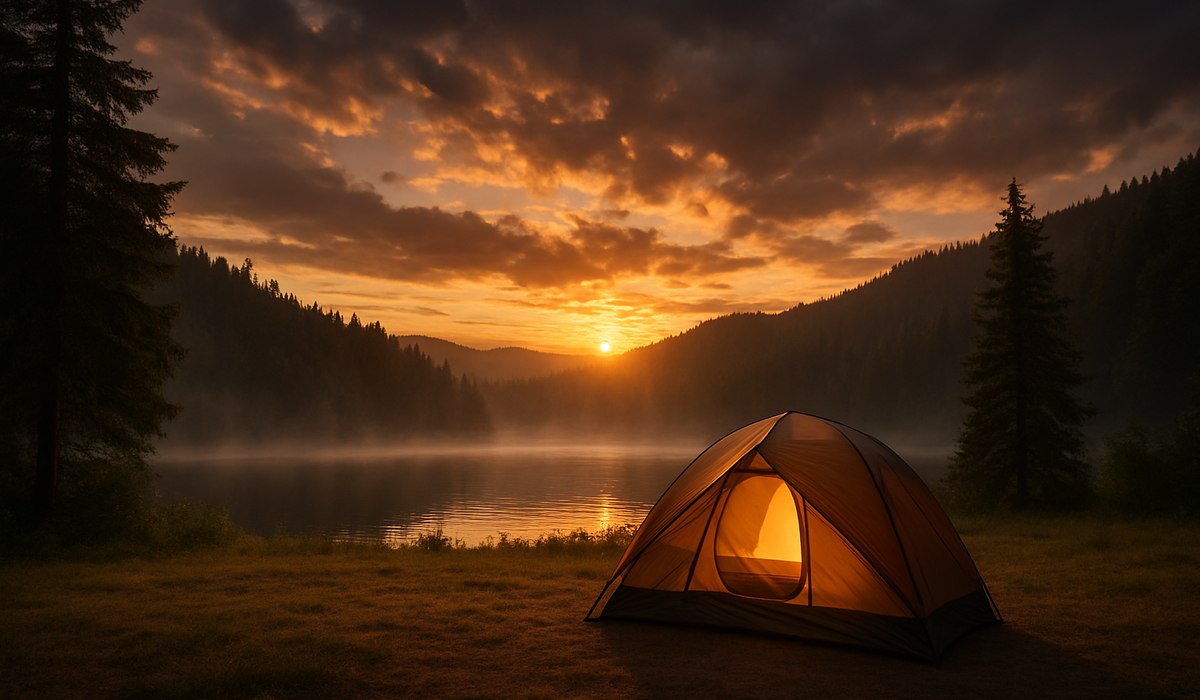
Image generated by AI
Nature Retreats Within Reach: Chicago's Best Camping Destinations
Five exceptional camping picturesque spots are drawing weekend explorers from Chicago seeking accessible outdoor escapes. According to recent traveler reviews and ratings, these destinations combine manageable drive times with stunning natural scenery and extensive hiking networks. Remote workers and nature-seeking nomads now have practical options for weekend adventures without sacrificing connectivity or comfort. The surge in interest reflects growing demand for outdoor recreation experiences near major metropolitan areas, as documented across outdoor recreation platforms and tourism boards. This guide covers what makes each location exceptional, visitor feedback, and essential planning information for your next camping visit outside the city.
Best Camping Spots Near Chicago
Starved Rock State Park
Located approximately 90 minutes south of Chicago, Starved Rock State Park offers dramatic canyon landscapes and waterfall views. The park features 18 canyons carved by centuries of glacial activity, creating stunning backdrops for photography and exploration. Visitors consistently praise the 13-mile network of hiking trails ranging from beginner-friendly to challenging routes. The on-site campground accommodates tents and RVs with modern facilities. According to the Illinois Department of Natural Resources, over 2 million visitors explore this area annually, making it one of the most visited state parks in Illinois.
Devil's Lake State Park
Perched in Wisconsin's Baraboo region (approximately 2.5 hours north), Devil's Lake State Park delivers dramatic quartzite bluffs and pristine water access. The park encompasses 9,400 acres with 29 miles of hiking trails. Campers appreciate the lake swimming, scenic overlooks, and well-maintained facilities. Recent reviews highlight the park's commitment to visitor experience and environmental stewardship. The Wisconsin Department of Natural Resources maintains comprehensive trail maps and seasonal updates on their official website.
Galena Territory
This private camping community near the historic town of Galena, Illinois (90 minutes northwest) combines luxury camping amenities with countryside charm. The property features over 1,100 acres with designated camping zones, hiking paths, and premium facilities. Visitors report exceptional customer service and well-groomed grounds. The proximity to Galena's downtown shops and restaurants adds entertainment value beyond traditional camping experiences.
Kankakee River State Park
South of Chicago near Bourbonnais, Kankakee River State Park provides 2,500 acres of river valley landscape. The park offers riverside camping, kayaking opportunities, and moderate hiking trails. According to reviews, this destination appeals to visitors seeking quieter alternatives to busier parks while maintaining excellent facilities and scenic water views.
Jim Edgar Panther Creek State Fish and Wildlife Area
This 4,309-acre preserve in central Illinois (3.5 hours south) features camping facilities near Chandlerville. The landscape combines prairie, water features, and wooded terrain. Outdoor enthusiasts appreciate the relatively undiscovered status and natural habitat preservation. The property supports hiking, fishing, and nature observation activities popular among nomadic travelers seeking solitude.
What Makes These Destinations Stand Out
Camping picturesque spots near Chicago distinguish themselves through accessibility, amenities, and authentic natural environments. Each location underwent significant visitor-driven improvements addressing accommodation standards, trail maintenance, and facility upgrades. Park managers incorporate feedback from review platforms to enhance visitor experiences continuously.
Scenic quality remains paramount across all five destinations. Diverse landscapes ranging from dramatic canyons to pristine lakes offer varied visual experiences. Photography opportunities and seasonal variations ensure repeat visitors discover new perspectives. Trail difficulty ranges accommodate families, experienced hikers, and competitive outdoor athletes equally.
Infrastructure quality directly impacts camping satisfaction. Modern bathroom facilities, potable water access, and designated parking areas reduce logistical stress. Several parks offer Wi-Fi connectivity, appealing to remote workers maintaining professional obligations during outdoor retreats. Fire rings, picnic areas, and shelter options enhance communal gathering experiences.
Visitor review ratings consistently emphasize ranger expertise, maintenance standards, and safety protocols. Parks employing responsive management teams score highest on travel platforms. Transparent communication about seasonal closures, weather conditions, and trail status builds traveler confidence.
Planning Your Camping Trip
Best Seasons for Visiting
Spring (April-May) and autumn (September-October) offer ideal camping conditions near Chicago. Moderate temperatures reduce heat stress while maintaining pleasant hiking weather. Spring wildflower displays enhance landscape beauty, particularly at prairie-focused locations. Autumn foliage transforms woodland trails into galleries of color.
Summer visitation peaks between June and August, bringing larger crowds and higher accommodation costs. Winter camping appeals to dedicated outdoor enthusiasts with proper equipment and experience.
Preparation Essentials
Reserve camping sites 6-12 weeks in advance during peak seasons through state park reservation systems. Check individual park websites for specific booking protocols and payment methods. Weather forecasts warrant daily monitoring, as conditions shift rapidly near water bodies and elevated terrain.
Pack appropriate gear matching specific trail difficulties and expected weather patterns. Begin with shorter day-hikes to assess fitness levels before embarking on extended backpacking ventures. Download offline maps preventing navigation complications in areas with limited cellular service.
Transportation and Access
Most destinations are accessible via standard vehicles on maintained highways. Parking facilities accommodate both day-visitors and overnight campers. Some parks restrict vehicle access to designated roads, requiring additional parking area navigation. Plan 90-180 minutes drive time from Chicago depending on specific destination selection.
Traveler Reviews and Ratings
Independent review platforms consistently rate these five destinations between 4.2 and 4.8 stars across hundreds of verified visitor assessments. Positive feedback emphasizes scenic beauty, facility cleanliness, and ranger responsiveness. Common praise highlights "spectacular views," "well-maintained trails," and "peaceful atmosphere."
Critical feedback primarily addresses overcrowding during peak weekends and occasional facility maintenance delays. Several reviewers suggest visiting during shoulder seasons to avoid crowds while maintaining pleasant weather conditions. Visitor feedback drives continuous improvement across park management and amenities.
| Destination | Distance from Chicago | Best Season | Trail Miles | Camping Sites | Average Rating |
|---|---|---|---|---|---|
| Starved Rock State Park | 90 minutes | Spring/Fall | 13+ | 143 | 4.7/5 |
| Devil's Lake State Park | 2.5 hours | Summer/Fall | 29 | 408 | 4.6/5 |
| Galena Territory | 90 minutes | May-October | 8+ | 60+ | 4.5/5 |
| Kankakee River State Park | 45 minutes | April-November | 7+ | 54 | 4.3/5 |
| Jim Edgar Panther Creek | 3.5 hours | Spring/Fall | 12+ | 24 | 4.2/5 |
What This Means for Travelers
These accessible camping picturesque spots address critical needs for Chicago-area residents and remote workers seeking nature integration without extensive travel commitments. The abundance of options accommodates diverse preferences, budgets, and experience levels.
Actionable Takeaways:
-
Reserve early – Book accommodations 8-12 weeks ahead for peak season visits to secure preferred camping locations and optimal dates.
-
Choose off-peak timing – Visit during April-May or September-October to experience scenic beauty with fewer crowds and superior facility availability.
-
Match destinations to goals – Select dramatic canyon views (Starved Rock), water recreation (Devil's Lake), or quieter natural experiences (Jim Edgar) based on personal preferences.
-
Verify facilities beforehand – Confirm Wi-Fi availability, bathroom amenities, and vehicle restrictions through official park websites before finalizing travel plans.
-
Prepare appropriate gear – Pack weather-appropriate clothing, navigation tools, and hiking equipment matching chosen trails and camping duration.
-
Review seasonal restrictions – Check individual park websites for hunting seasons, facility closures, and weather-
Disclaimer
This article is for informational and educational purposes only. It does not constitute legal, financial, or professional advice. While we strive to provide accurate and up-to-date information, travel policies, regulations, and conditions change rapidly. Always verify information with official sources before making travel decisions. Nomad Lawyer makes no representations about the accuracy, reliability, completeness, or suitability of the information provided. Readers should consult qualified professionals for advice specific to their circumstances. The views expressed in this article are those of the author and do not necessarily reflect the views of Nomad Lawyer.
Preeti Gunjan
Contributor & Community Manager
A passionate traveller and community builder. Preeti helps grow the Nomad Lawyer community, fostering engagement and bringing the reader experience to life.
Learn more about our team →