
Canada Retirement Spot: New Brunswick's Riverfront Charmer Emerges as 2026 Top Pick
New Brunswick's riverfront towns are attracting retirees in 2026 with scenic hiking trails, waterfront living, and affordable outdoor recreation. This underrated Canadian destination offers parks, beaches, and lifestyle benefits drawing North American retirees seeking relaxation and adventure.

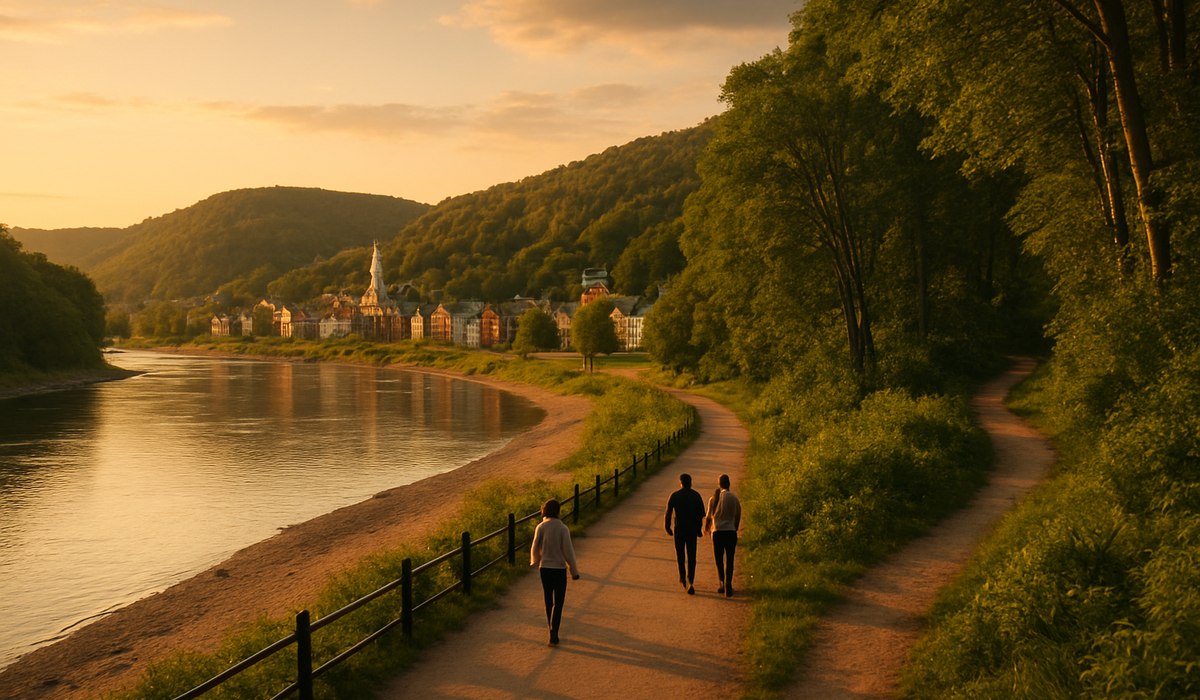
Image generated by AI
Why New Brunswick's Riverfront Towns Are Attracting Canadian Retirees
New Brunswick's scenic riverfront communities have quietly emerged as Canada's most compelling retirement destination for 2026, offering an irresistible combination of natural beauty, affordability, and quality-of-life advantages. This maritime province along Canada's eastern coast presents retirees with genuine waterfront living opportunities, lush green spaces, and a pace of life that contrasts sharply with congested urban centers.
The appeal extends beyond mere aesthetics. A Canada retirement spot in New Brunswick provides access to well-maintained hiking networks, established park systems, and year-round outdoor activities. The riverfront setting creates unique recreational opportunities while maintaining close proximity to essential services and healthcare facilities. Communities throughout the region have invested heavily in preserving natural areas and developing recreational infrastructure specifically designed for active retirees seeking balance between leisure and exploration.
What distinguishes New Brunswick from other Canadian retirement destinations is the genuine local hospitality combined with relatively modest living costs. Property values remain substantially lower than in Ontario or British Columbia, yet cultural amenities, educational institutions, and medical services meet contemporary retirement needs effectively.
Outdoor Recreation: Trails, Parks, and Waterfront Activities
The riverfront landscape of New Brunswick offers unparalleled access to nature-based activities that appeal directly to active retirees. Established hiking trails crisscross the region, ranging from gentle riverside walks suitable for all fitness levels to more challenging routes rewarding experienced hikers with panoramic vistas.
Local park systems maintain groomed pathways, picnic areas, and interpretive signage identifying native plant species and wildlife habitats. Swimming beaches provide seasonal recreation, while kayaking and canoeing opportunities utilize the rivers and coastal waters. Birdwatching enthusiasts find exceptional opportunities as migratory routes funnel thousands of species through the region during spring and autumn months.
Several municipalities have developed comprehensive trail networks accessible from residential areas. The parks feature accessible facilities including wheelchair-friendly pathways, benches for rest stops, and water stations. Many communities offer organized group walks and outdoor programming specifically designed for mature adults seeking structured recreation.
Fishing in New Brunswick's rivers and streams attracts both hobbyists and serious anglers year-round. The province maintains sustainable populations of brook trout, Atlantic salmon, and other species. Local outfitters provide guidance and equipment rental for those new to freshwater angling. Winter transforms the landscape, creating opportunities for snowshoeing and cross-country skiing on maintained trails throughout the region.
Cost of Living and Lifestyle Benefits for Retirees
A Canada retirement spot in New Brunswick delivers exceptional value compared to major Canadian metropolitan areas. Housing costs range significantly lower than equivalent properties in urban centers like Toronto or Vancouver, extending retirement savings considerably further.
Utility costs remain moderate thanks to abundant hydroelectric power resources. Grocery expenses align with national averages, though locally-grown seasonal produce provides economical alternatives during harvest months. Property taxes are competitive, and many municipalities offer tax incentives specifically designed to attract retirees and remote workers.
Healthcare access meets modern standards through regional hospitals and physician networks. Prescription medication coverage through provincial programs provides additional financial security. The pace of life reduces stress-related health concerns while walkable neighborhoods encourage daily physical activity.
Cultural programming, community centers, and volunteer opportunities create social engagement essential for retirement wellbeing. Churches, civic organizations, and hobby groups maintain active membership rolls welcoming newcomers. Many communities host seasonal festivals celebrating local heritage, cuisine, and natural features.
Internet infrastructure has improved dramatically across New Brunswick in recent years, enabling retirees to maintain remote professional engagement or online business interests if desired. This development has attracted digitally-connected individuals who previously avoided rural or semi-rural retirement locations.
Getting There and Exploring the Region
Transportation infrastructure connecting New Brunswick to other Canadian provinces and the northeastern United States has expanded considerably. Major airports in Halifax, Saint John, and Moncton provide connections to national air networks. The Canadian railway system offers scenic routes through the Maritime provinces, appealing to travel-minded retirees.
Highway corridors provide accessible driving routes from Quebec, Nova Scotia, and Prince Edward Island. Many retirees discover the region through coastal drives or weekend getaways before committing to relocation. Seasonal tourism creates temporary lodging options for extended exploratory visits before permanent moves.
Once established in the region, residents enjoy proximity to outdoor destinations including Bay of Fundy, the Acadian coast, and numerous provincial parks. Day-trip opportunities extend to hiking expeditions, farmers markets, cultural sites, and neighboring communities offering diverse experiences without extensive travel.
Local transit systems in major towns serve medical appointments, shopping, and recreational activities. Community transportation programs assist seniors unable to maintain personal vehicles. This accessibility supports independent living longer into retirement years compared to car-dependent suburban American locations.
How to Book the Best Fare
Planning relocation to a Canada retirement spot requires comparing transportation options for the initial move and ongoing travel. The Trainline booking platform enables comparison of rail options across multiple Canadian carriers. VIA Rail operates the primary transcontinental service connecting Maritime provinces to central Canada.
Booking advance rail tickets typically provides 30-40% savings compared to last-minute purchases. Early morning or mid-week departures offer lowest fares. Senior discount programs through VIA Rail provide additional savings for passengers over 60 years old.
Air travel involves comparing budget carriers against established airlines serving Maritime airports. Flexible travel dates yield significant savings. Consider booking one-way tickets separately rather than round-trip packages during shoulder seasons.
Moving logistics require multiple transportation methods. Freight services transport household goods while personal travel requires separate ticketing. Some retirees stage moves across multiple trips, settling gradually into new communities while maintaining temporary accommodations elsewhere.
Vehicle transport services move automobiles while families travel separately. This approach proves cost-effective for permanent relocations. Book transportation services 4-6 weeks in advance during popular relocation months (May-September).
| Retirement Factor | New Brunswick Advantage | Comparison |
|---|---|---|
| Housing Affordability | Average home $245,000-$320,000 | Ontario average exceeds $650,000 |
| Annual Living Cost | $35,000-$45,000 (couple) | BC comparable location: $55,000-$65,000 |
| Healthcare Access | Provincial coverage; multiple hospitals | Standard across Canada |
| Outdoor Recreation | Year-round trails, waterfront activities, parks | Comparable to BC; superior to prairie provinces |
| Property Taxes | 0.8%-1.1% of assessed value | Ontario: 0.6%-1.0%; varies significantly |
| Community Size | Towns 10,000-50,000 residents | Balance between rural and urban amenities |
| Transportation Access | Regional airports; rail service; highways | Adequate for retirement travel patterns |
| Internet Reliability | Improved coverage; adequate for remote work | Metropolitan standard in towns; rural variability |
What This Means for Travelers
Discovering New Brunswick as a Canada retirement spot requires approaching relocation strategically:
-
Visit during different seasons to experience climate variation and community activities across the year before making permanent decisions.
-
Connect with retiree organizations in target communities to understand daily lifestyle, healthcare quality, and social opportunities firsthand.
-
Investigate rental options first, spending 3-6 months as a renter while evaluating neighborhoods and building local relationships before purchasing property.
-
Compare total cost structures including property taxes, utilities, insurance, and healthcare to validate financial projections supporting retirement sustainability.
-
Assess transportation needs determining whether personal vehicle ownership, transit dependence, or ride-sharing services align with retirement activity patterns and independence preferences.
-
Evaluate proximity to family, friends, and familiar locations considering
Disclaimer
This article is for informational and educational purposes only. It does not constitute legal, financial, or professional advice. While we strive to provide accurate and up-to-date information, travel policies, regulations, and conditions change rapidly. Always verify information with official sources before making travel decisions. Nomad Lawyer makes no representations about the accuracy, reliability, completeness, or suitability of the information provided. Readers should consult qualified professionals for advice specific to their circumstances. The views expressed in this article are those of the author and do not necessarily reflect the views of Nomad Lawyer.
Preeti Gunjan
Contributor & Community Manager
A passionate traveller and community builder. Preeti helps grow the Nomad Lawyer community, fostering engagement and bringing the reader experience to life.
Learn more about our team →