
Canada Issues 2026 Travel Advisory for Brazil: Security Risks, Border Threats and Fraud Warnings
Canada warns travelers to Brazil of rising violent crime, organized gang activity, and sophisticated financial fraud, urging extreme caution in major urban centers and specific border zones.

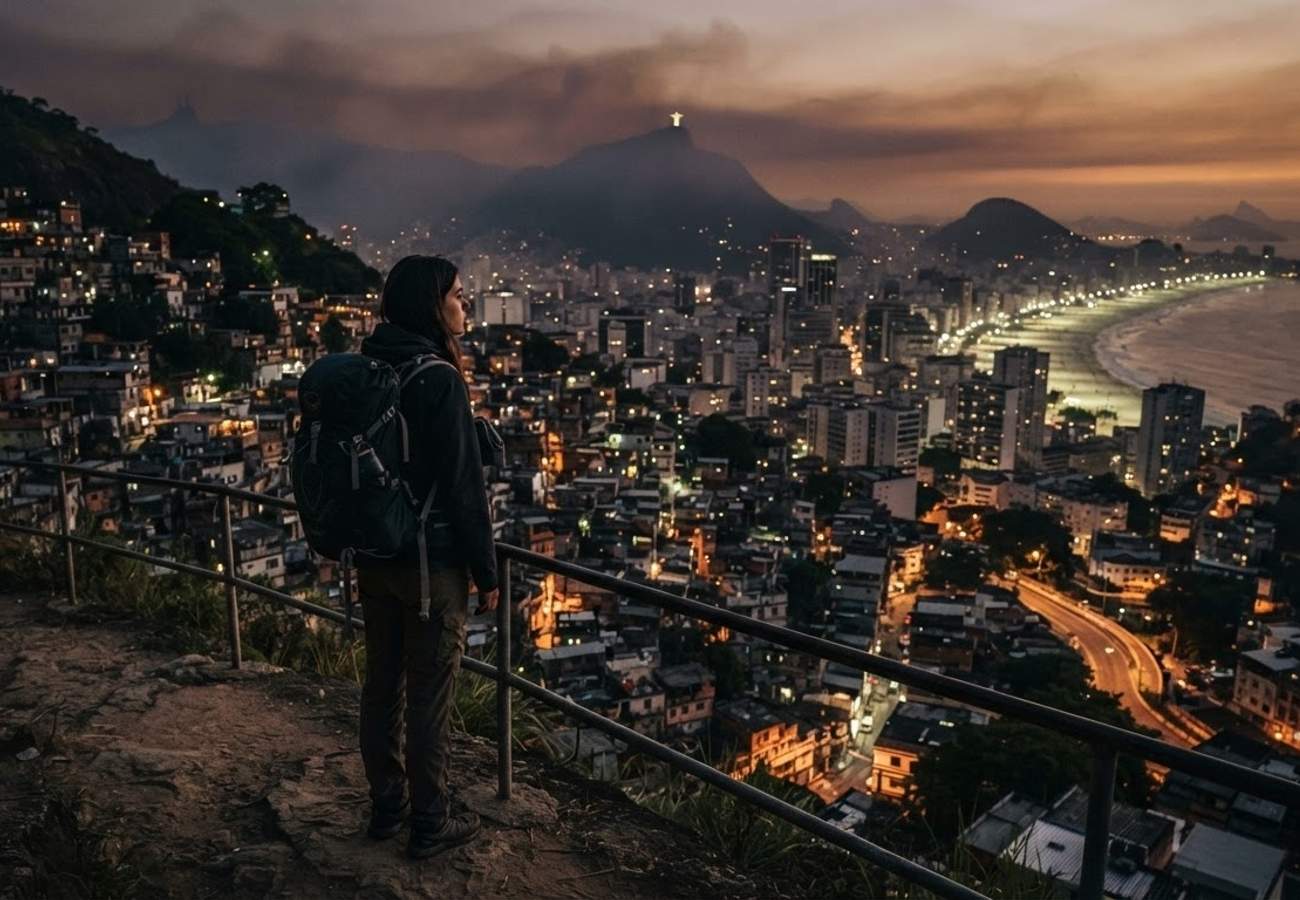
Image generated by AI
The Canadian government has updated its official travel advisory for Brazil, citing a volatile security environment characterized by high crime rates, organized gang activity, and pervasive financial fraud. The warning mandates that travelers exercise extreme caution, particularly in urban hubs and remote border regions where the risk of violent crime is elevated.
While Brazil remains a primary destination for international tourism, the advisory emphasizes that visitors are vulnerable to armed robberies, carjackings, and sophisticated scams. The security landscape is described as fluid, with conditions often deteriorating rapidly during confrontations between criminal organizations and security forces.
High-Risk Border Zones and Restricted Access
Canada has explicitly advised against non-essential travel to specific border regions due to the prevalence of arms smuggling, drug trafficking, and the presence of illegal armed groups.
- General Border Warning: Avoid non-essential travel within 20 kilometres of borders with Argentina, Bolivia, Colombia, French Guiana, Guyana, Paraguay, Peru, and Suriname.
- Venezuelan Border: A stricter warning applies to all areas within 50 kilometres of the border with Venezuela.
- Permitted Exceptions: Iguaçu National Park (Argentine border) and Pantanal National Park (Bolivian border) are currently excluded from these restrictions.
Urban Danger Zones: Rio de Janeiro and São Paulo
The advisory identifies specific neighborhoods and cities where the threat of violent crime is systemic.
Zero-Tolerance Zones (Avoid All Travel): Canada warns against entering the following Rio de Janeiro neighborhoods due to extreme violence and gang control:
- Complexo da Maré
- Complexo da Penha
Travelers are cautioned that GPS navigation often inadvertently directs visitors into these "favelas" or "comunidades," where emergency services are limited and armed confrontations are frequent.
High-Risk Urban Centers: Increased vigilance is required in the following cities:
- Belém, Fortaleza, Manaus, Recife, Rio de Janeiro, Salvador, and São Paulo.
Specific Tourist Hotspots Requiring Caution: Even within popular districts, crime remains a significant threat.
| City | High-Risk Areas / Landmarks |
|---|---|
| São Paulo | Avenida Paulista, São Paulo Cathedral, Municipal Market, Luz Station, Pinacoteca do Estado de São Paulo, Princess Isabel Square, Historical downtown |
| Rio de Janeiro | Copacabana Beach, Lapa, Santa Teresa, Complexo do Alemão, Complexo do Turano, Jacarezinho, Morro do Borel to Morro do Andaraí, Morro do Juramento, Morro do Urubu, Vila Kennedy to Vila Aliança, Cidade de Deus to Gardênia Azul |
Crime Patterns: From "Arrastões" to Cyber-Fraud
The advisory details specific criminal tactics targeting foreigners.
Theft and Mass Robberies Theft is the most frequent crime affecting tourists. Criminals target visible wealth, including smartphones, jewelry, and laptops.
- Motorcycle Thefts: In Porto Alegre and São Paulo, drive-by thefts via motorcycle are common.
- Arrastões: This refers to mass robberies where groups target crowds at beaches, shopping centers, restaurants, or during traffic jams. Risks peak during Carnival, Christmas, and major sporting events.
Financial and Cyber Fraud Sophisticated scams are targeting international credit and debit cards.
- ATM/POS Fraud: Criminals use card-reading devices or claim a machine has "no signal" to charge victims multiple times.
- Cybercrime: Public Wi-Fi networks are frequently compromised to steal passwords and financial data.
Essential Safety Protocols for Travelers
To mitigate risk, the Canadian government recommends the following measures:
- Financial Security: Cover keypads when entering PINs, use ATMs only inside banks, and consider disabling contactless payment functions.
- Physical Safety: Avoid isolated areas after dark, travel in groups, and never resist during a robbery attempt.
- Digital Hygiene: Use secure Wi-Fi connections and avoid sharing real-time locations or photographs online.
- Transit: Keep vehicle windows and doors locked; do not stop for strangers if feeling threatened while driving.
Stay vigilant and prioritize local intelligence over GPS navigation when exploring Brazilian urban centers.
Related Travel Guides
Disclaimer
This article is for informational and educational purposes only. It does not constitute legal, financial, or professional advice. While we strive to provide accurate and up-to-date information, travel policies, regulations, and conditions change rapidly. Always verify information with official sources before making travel decisions. Nomad Lawyer makes no representations about the accuracy, reliability, completeness, or suitability of the information provided. Readers should consult qualified professionals for advice specific to their circumstances. The views expressed in this article are those of the author and do not necessarily reflect the views of Nomad Lawyer.
Preeti Gunjan
Contributor & Community Manager
A passionate traveller and community builder. Preeti helps grow the Nomad Lawyer community, fostering engagement and bringing the reader experience to life.
Learn more about our team →