
Canada Implements Strict Congo Travel Restrictions Following Ebola Outbreak With 2,100 Cases in 2026
Canada has launched emergency border measures restricting entry for foreign nationals who visited the Democratic Republic of Congo within 21 days due to a severe Ebola outbreak.

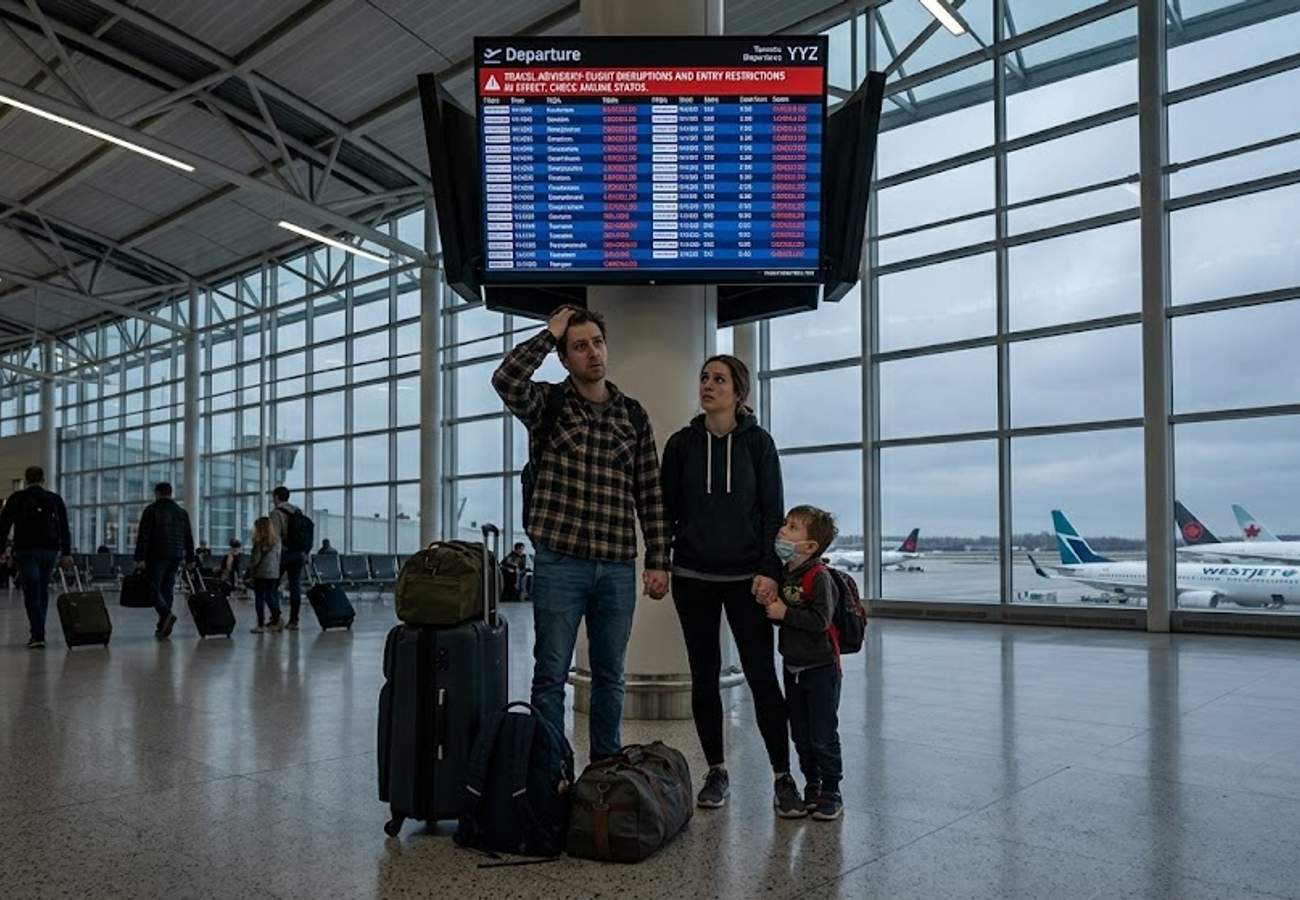
Image generated by AI
[Ottawa, July 20] — Canadian federal authorities have enacted immediate temporary border restrictions for foreign nationals arriving from the Democratic Republic of Congo (DRC) to mitigate the risk of importing Ebola virus disease. Effective as of 11:59 p.m. EDT on Monday, July 20, these measures prohibit entry for individuals who have been present in Congo within the 21 days preceding their arrival.
The decision comes as public health officials respond to one of the most significant Ebola surges in recent history, necessitating a heightened state of vigilance at all points of entry. While the measures are designed to protect domestic public health, they mark a tension between national security protocols and international health guidelines.
Canadian Border Controls Target Recent Congo Exposure
The newly implemented entry controls specifically target foreign nationals whose travel history includes the Democratic Republic of Congo within a three-week window. According to health officials, the 21-day restriction period is based on the biological incubation window of the Ebola virus, during which an infected person may not yet show symptoms but could potentially transmit the disease.
These precautionary steps are intended to strengthen the existing border monitoring framework. Officials have clarified that the restrictions are based on geographic exposure rather than the nationality of the traveler. The Canadian government intends to review these policies continuously as the epidemiological situation in the DRC evolves.
Statistical Breakdown of the Congo Ebola Outbreak
The urgency of Canada's policy shift is underscored by the severity of the health crisis currently unfolding in the Democratic Republic of Congo. Local health authorities have reported a staggering rise in infections and fatalities across multiple communities.
| Metric | Reported Figure (Mid-July 2026) |
|---|---|
| Total Confirmed Ebola Cases | 2,100+ |
| Total Linked Deaths | Approximately 828 |
| Primary Transmission Mode | Direct contact with infected bodily fluids |
| Incubation Monitoring Window | 21 Days |
Ebola remains a highly lethal viral hemorrhagic fever. Without immediate isolation and advanced medical intervention, the virus leads to rapid systemic failure and high mortality rates. International agencies are currently providing critical support to the Congolese healthcare system to contain the spread through community awareness and rapid diagnostic deployment.
WHO Advises Against National Travel Bans
Despite Canada's restrictive stance, the World Health Organisation (WHO) has issued warnings against the use of travel and trade bans during viral emergencies. The global health body argues that closing borders often proves counterproductive to the primary goal of disease eradication.
According to the WHO, such restrictions can inadvertently encourage infected individuals to hide their symptoms or avoid reporting their travel history to escape quarantine or deportation. This lack of transparency makes it harder for health officials to track the virus's movement and provide care to those in need.
Furthermore, the WHO emphasizes that infectious diseases are tied to specific exposure risks rather than ethnicity or nationality. The organization has cautioned that targeting specific regions can foster social stigma and hinder the international cooperation necessary to manage a global health crisis.
North American Alignment With United States Health Measures
Canada's policy shift mirrors similar actions taken by the United States government. American authorities previously introduced enhanced screening protocols for passengers arriving from regions linked to the Congo outbreak.
In the U.S., certain travelers are being diverted through specific ports of entry that possess advanced health monitoring infrastructure. Additionally, the U.S. has implemented strict health monitoring and mandatory quarantine procedures for aid workers and medical personnel returning from high-transmission zones in the DRC.
These parallel moves by the two North American neighbors illustrate a strategic attempt to balance the maintenance of global trade and travel with the necessity of preventing a domestic health catastrophe.
Essential Guidance for International Travellers
Passengers planning trips to or from the Democratic Republic of Congo are urged to verify current entry requirements immediately. Due to the volatility of the situation, requirements may change without notice based on the traveler's specific circumstances and nationality.
Industry observers recommend the following safety protocols for those visiting affected regions:
- Consult official governmental health advisories prior to booking.
- Strictly avoid direct contact with the bodily fluids of symptomatic individuals.
- Report to a medical facility immediately if fever or muscle pain develops after returning from the DRC.
- Maintain a digital record of travel history for border officials.
It is important to note that Ebola is not transmitted through casual contact or through the act of air travel itself; transmission requires direct contact with the virus.
The Evolving Conflict Between Border Security and Global Mobility
The current situation in Canada highlights a recurring dilemma in the modern aviation and travel industry: the conflict between "health security" and "mobility." Following previous global health emergencies, airports and airlines have integrated sophisticated biometric and thermal screening systems to detect illness in real-time.
While these systems allow for a more nuanced approach to screening, some governments still rely on blanket travel restrictions to provide public reassurance and create a definitive buffer zone. However, the prevailing expert consensus suggests that robust surveillance, rapid testing, and medical readiness are far more effective than border closures in the long term.
As the Democratic Republic of Congo continues its containment efforts, the international community is expected to remain on high alert, with travel policies likely to shift in tandem with the infection rates reported by Congolese health officials.
The balance between global connectivity and biological safety remains a critical challenge for 2026 aviation policy.
Related Travel Guides
Disclaimer
This article is for informational and educational purposes only. It does not constitute legal, financial, or professional advice. While we strive to provide accurate and up-to-date information, travel policies, regulations, and conditions change rapidly. Always verify information with official sources before making travel decisions. Nomad Lawyer makes no representations about the accuracy, reliability, completeness, or suitability of the information provided. Readers should consult qualified professionals for advice specific to their circumstances. The views expressed in this article are those of the author and do not necessarily reflect the views of Nomad Lawyer.
Kunal K Choudhary
Co-Founder & Contributor
A passionate traveller and tech enthusiast. Kunal contributes to the vision and growth of Nomad Lawyer, bringing fresh perspectives and driving the community forward.
Learn more about our team →