
Canada Easter Storm Disrupts 400+ Flights Across Major Hubs
A late-season Canada Easter storm triggered 400+ flight disruptions and 80+ cancellations across Toronto, Vancouver, Montreal, and Calgary during peak spring travel weekend in 2026.

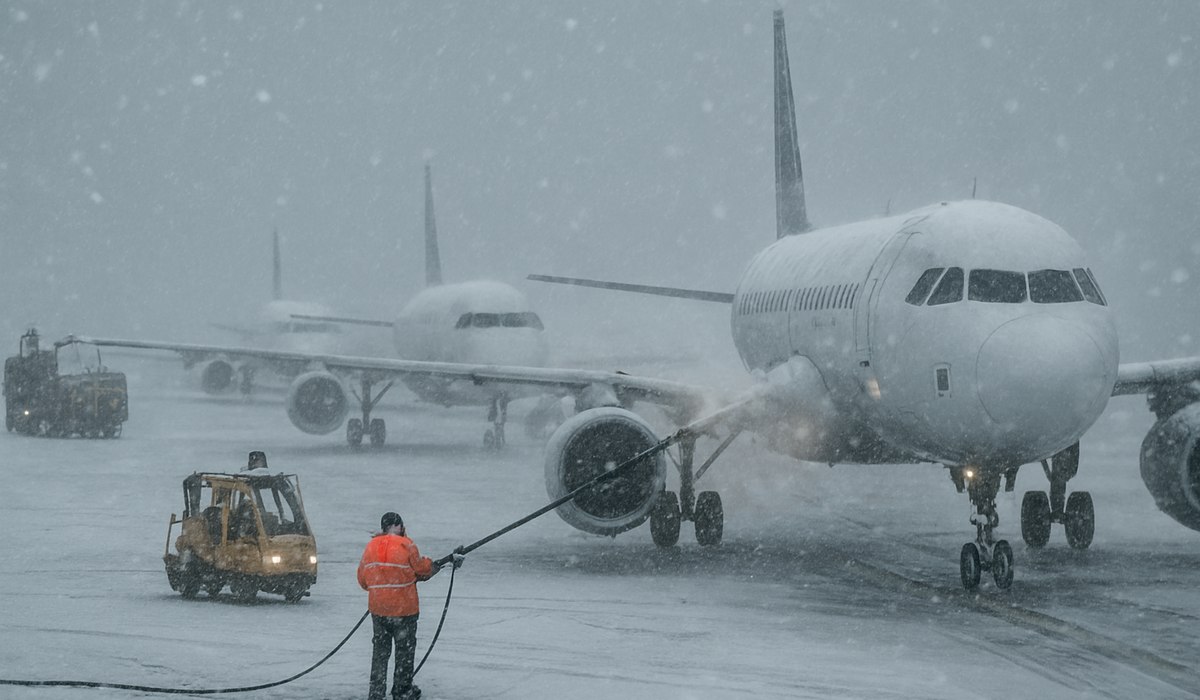
Image generated by AI
A Late-Season Blizzard Paralyzes Canada's Air Network
Toronto Pearson, Vancouver International, Montreal Trudeau, and Calgary International faced unprecedented spring disruptions on Easter weekend 2026 as a late-season winter storm swept across Canada. The Canada Easter storm triggered over 400 delayed flights and 82 confirmed cancellations between Easter Sunday and Monday, affecting tens of thousands of passengers during one of the busiest travel periods of the year. Snow, freezing rain, and visibility conditions below operational minimums forced rolling ground stops and extended de-icing queues at seven major aviation hubs, including Ottawa, Halifax, and Quebec City.
Storm Wreaks Havoc on Canada's Busiest Airport Hubs
Toronto Pearson bore the brunt of the disruption, processing nearly 150,000 passengers daily during Easter weekend. The collision of peak-season demand with severe weather created a perfect storm of operational challenges. Vancouver International and Montreal Trudeau experienced similar bottlenecks as inbound aircraft arrived hours behind schedule, forcing cascading delays throughout afternoon and evening departure windows.
Calgary International reported runway inspection cycles extending beyond standard intervals due to accumulating snow and ice. The timing proved particularly unforgiving—Easter marks the transition from winter to spring schedules, when airlines operate with tighter crew assignments and aircraft rotations. A single wave of weather-driven delays compressed the network's recovery capacity, preventing normal operations from resuming even as conditions improved.
Industry analysts attribute the severity to systemic runway congestion combined with de-icing bay limitations. When multiple aircraft require simultaneous treatment during heavy precipitation, backlogs accumulate rapidly, forcing scheduling disruptions that ripple across subsequent waves of departures.
Scale of Disruption: 400+ Delays and 80+ Cancellations
Flight tracking data from FlightAware confirmed 427 documented delays and 82 cancellations across Canadian airports on April 20-21, 2026. The disruptions affected domestic and international routes, with particular strain on transcontinental flights connecting Toronto, Vancouver, and Montreal to U.S. hubs.
Air Canada, WestJet, Porter Airlines, and regional carriers all issued formal service advisories recommending passengers arrive three hours early and monitor flight status continuously. By Easter Monday evening, recovery operations remained incomplete, with some aircraft still positioned incorrectly for Tuesday morning departures.
The financial impact extended beyond airline operations. Rental car agencies at major airports reported extended wait times as travelers sought alternative transportation. Hotel occupancy near airports spiked as passengers accepted unexpected overnight stays rather than risk rebooking onto flights 12-24 hours later.
| Metric | Toronto Pearson | Vancouver Int'l | Montreal Trudeau | Calgary Int'l | Ottawa Int'l | Halifax Int'l |
|---|---|---|---|---|---|---|
| Delayed Flights | 156 | 87 | 94 | 52 | 23 | 15 |
| Cancelled Flights | 28 | 18 | 21 | 8 | 4 | 3 |
| Peak Backlog (hours) | 4.5 | 3.2 | 3.8 | 2.1 | 1.9 | 1.4 |
| De-icing Queue Wait | 45 min | 38 min | 42 min | 25 min | 18 min | 12 min |
| Visibility Minimum (SM) | 0.5 | 0.75 | 0.5 | 1.0 | 1.5 | 2.0 |
| Passenger Volume (daily) | 147,000 | 89,000 | 76,000 | 54,000 | 31,000 | 22,000 |
Cascading Effects: Ground Stops, De-icing Backlogs, and Crew Chaos
The Canada Easter storm's operational impact extended far beyond individual flight delays. When morning departures pushed back 60-90 minutes, inbound aircraft missed connection windows with downstream routes. Crew duty limits prevented reassignments, forcing airlines to consolidate flights or cancel segments entirely.
De-icing infrastructure became the critical bottleneck. Aircraft requiring full treatment consumed 30-45 minutes per cycle, while dozens waited in holding queues. Transport Canada's operational minimums required visual runway inspections between heavy snowfall intervals, further slowing throughput.
Porter Airlines suspended operations entirely at Toronto City Airport for 18 hours, redirecting passengers to Pearson and increasing congestion at an already-strained facility. Regional carriers faced particular pressure, as they operate thinner schedules with less flexibility for aircraft repositioning.
By Easter Monday afternoon, crew scheduling systems reported 200+ crew members positioned away from home bases, unable to return for Tuesday operations. This cascading effect threatened to extend disruptions into the following week—a pattern familiar to Canadian aviation operators managing winter weather annually.
Passenger Impact: Missed Connections and Unexpected Overnight Stays
Travelers experienced widespread chaos across check-in halls and departure lounges. Passengers connecting through Toronto to U.S. destinations missed onward flights, requiring rebooking on flights 12-36 hours later. International passengers arriving on evening flights discovered next-available connections weren't until Wednesday.
Hotel occupancy near major airports spiked to 98% availability, with nightly rates increasing 40-60% above normal Easter weekend pricing. Airlines provided meal vouchers and hotel accommodation where required under Canadian air passenger protection regulations, though the quality and location varied significantly.
Social media documented crowded baggage claim areas and frustrated families managing children and elderly passengers during extended layovers. One family of five booked on an Air Canada flight from Toronto to Vancouver reported landing 7 hours late at 2 a.m., with baggage arriving on a separate flight 36 hours later.
Passengers experienced particular frustration at Vancouver International, where 87 delays created a cascading effect through afternoon and evening operations. WestJet issued blanket travel waivers allowing rebooking without penalties, while Air Canada implemented flexible change policies through April 24.
What This Means for Travelers
The Easter 2026 disruptions underscore vulnerabilities in Canada's spring aviation operations and highlight critical steps every traveler should take during weather-threatening holiday periods.
-
Book flights 48 hours before major holidays with weather-prone seasons (Easter through May, September through November) to allow schedule flexibility.
-
Enable flight status notifications on FlightAware and your airline's mobile app—push alerts provide 2-3 hours warning before cancellations.
-
Pack essential medications and electronics in carry-on luggage during peak spring and fall travel to prevent loss if checked baggage arrives on separate flights.
-
Arrive 3 hours early at major Canadian hubs during Easter, Thanksgiving, and winter holidays when weather-driven delays are most probable.
-
Purchase travel insurance with trip delay coverage providing 12+ hour delay compensation, critical during Canadian winter and shoulder-season operations.
-
Research airline-specific rebooking policies before purchase—WestJet and Air Canada offer different flexibility options for weather-caused cancellations.
-
Verify ground transportation arrangements the day before travel; ride-share services experience 4-6 hour wait times during airport-wide disruptions.
FAQ
Q: What airline compensation am I entitled to if my Easter flight was cancelled due to the Canada Easter storm?
A: Under Canadian Air Passenger Protection Regulations, airlines must rebook you at no additional cost or provide a full refund. Automatic monetary compensation (up to CAD $2,400) does not apply to weather disruptions classified as extraordinary circumstances. However, airlines must provide meals
Disclaimer
This article is for informational and educational purposes only. It does not constitute legal, financial, or professional advice. While we strive to provide accurate and up-to-date information, travel policies, regulations, and conditions change rapidly. Always verify information with official sources before making travel decisions. Nomad Lawyer makes no representations about the accuracy, reliability, completeness, or suitability of the information provided. Readers should consult qualified professionals for advice specific to their circumstances. The views expressed in this article are those of the author and do not necessarily reflect the views of Nomad Lawyer.
Raushan Kumar
Founder & Lead Developer
Full-stack developer with 11+ years of experience and a passionate traveller. Raushan built Nomad Lawyer from the ground up with a vision to create the best travel and law experience on the web.
Learn more about our team →