
Canada Eases Super Visa Wait to 50 Days for Indians in 2026
Canada dramatically accelerates Super Visa processing to 50 days for Indian applicants in 2026, while study permit delays persist. A game-changer for seniors planning relocation.

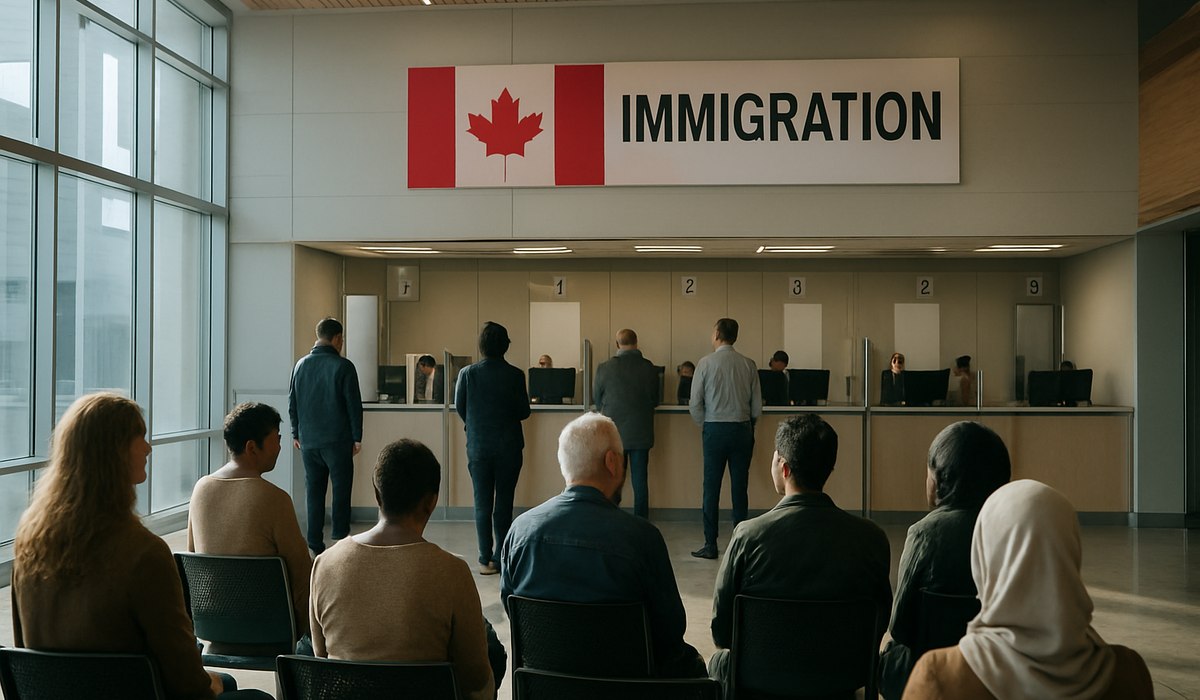
Image generated by AI
Canada Slashes Super Visa Processing to 50 Days for Indian Nationals
Immigration, Refugees and Citizenship Canada (IRCC) has delivered exceptional news for Indian applicants: Canada eases super visa processing timelines to a mere 50 days. This landmark reduction represents a dramatic acceleration from previous waiting periods, positioning India among priority destinations for family reunification programs. The shift reflects Canada's commitment to streamlining sponsorship pathways while maintaining rigorous security protocols.
Seniors aged 65 and above seeking to visit adult children or grandchildren in Canada now face significantly shortened administrative delays. This acceleration applies specifically to applicants from India submitting applications through the Super Visa category—one of Canada's most accessible pathways for extended family visits.
However, not all visa categories share this positive trajectory. Study permits continue experiencing extended processing times, with duration varying by provincial submission location. Work and visitor visas remain relatively stable compared to previous quarters.
Who Qualifies for Canada's Super Visa?
The Super Visa targets grandparents and parents of Canadian citizens or permanent residents. Applicants must meet strict eligibility criteria to qualify for this coveted category.
Primary eligibility requirements include:
- Age 65 or older (grandparents) or parent of a sponsor aged 22+
- Valid relationship proof to Canadian family member
- Sponsor's confirmed Canadian permanent residency or citizenship status
- Medical exam clearance demonstrating good health
- Police certificate from your country of residence
- Proof of financial support from Canadian sponsor (minimum income thresholds apply)
The 50-day processing window applies exclusively to complete applications meeting all documentation standards. Incomplete submissions face review delays extending beyond this timeline. Applicants from India benefit from dedicated processing streams established by IRCC to manage the substantial volume of family reunion applications from South Asia.
Visa officers assess applications based on relationship authenticity, financial capacity, and health status. Medical inadmissibility grounds remain primary rejection factors despite expedited processing speeds.
How to Apply Step by Step
Securing a Canada eases super visa approval demands methodical documentation and strategic timing.
Application workflow:
- Verify eligibility through IRCC's official assessment tool
- Gather required documents (birth certificates, marriage certificates, police clearances)
- Arrange medical examination through IRCC-approved panel physicians
- Prepare financial proof from Canadian sponsor (NOAs, employment letters, bank statements)
- Complete IMM 5645 forms accurately
- Pay application fees (approximately CAD $200 per applicant)
- Submit online through IRCC's official portal
- Track application status through online account
- Prepare for potential biometric requests
- Collect passport and visa upon approval
Processing begins immediately upon successful submission verification. IRCC conducts background checks during the 50-day window, so expect communication requests for additional documentation if required.
Super Visa Processing Times Drop Dramatically for Indians
The acceleration to 50-day processing represents a watershed moment for Indian applicants previously experiencing 90-180 day waits.
Contributing factors to timeline reduction:
- Dedicated processing streams for high-volume countries
- Enhanced staffing at IRCC Mumbai visa application center
- Digital-first documentation systems reducing manual review time
- Streamlined background verification protocols
- Implementation of predictive assessment algorithms
This reduction doesn't universally apply to all applicants. Those with incomplete documentation, medical concerns, or complex family situations still experience extended timelines. However, straightforward applications from India with complete submissions consistently clear within the 50-day window.
IRCC attributes this acceleration to infrastructure improvements and operational efficiency gains implemented across 2025-2026. The Super Visa category prioritizes family reunification, making it eligible for expedited processing compared to economic immigration streams.
India represents IRCC's largest Super Visa applicant base globally, justifying dedicated resource allocation. This demographic trend reflects India's aging population and substantial Canadian diaspora concentration.
Study Permits Face Longer Delays Amid Visa Adjustments
Contrasting the Super Visa acceleration, international students pursuing Canadian education confront deteriorating processing timelines.
Study permit processing varies significantly:
- Toronto processing center: 60-90 days
- Vancouver processing center: 75-120 days
- Ottawa processing center: 45-75 days
- Biometric-required applications: add 15-30 days
Several factors explain these extended waits. Study permit applications involve extensive document verification including educational credentials, financial proof, and language test scores. IRCC's heightened scrutiny of student visa applications aims to prevent fraudulent education claims and work-permit abuse.
Indian students represent Canada's largest international student population, creating substantial processing backlogs. Students applying in high-volume periods (January-March, June-August) experience longer waits than off-season applicants.
Strategic timing recommendations:
- Submit applications 6-8 months before intended program start
- Apply during September-November for January intake
- Apply during March-April for September intake
- Ensure documentation completeness to avoid verification delays
IRCC prioritizes study permits based on program start dates, accelerating applications for imminent enrollment deadlines. However, this reactive prioritization cannot eliminate fundamental processing delays.
Work and Visitor Visas Remain Relatively Unchanged
While Super Visas accelerate and study permits stall, work and visitor visa processing maintains stability.
Current processing benchmarks:
- Visitor visas: 30-45 days (routine applications)
- Work permits (open): 15-30 days (post-study work permit stream)
- Work permits (employer-specific): 40-60 days (Labour Market Impact Assessment required)
- Electronic Travel Authorization (eTA): immediate approval
Work visa processing depends heavily on employer compliance and LMIA requirements. Applications demonstrating legitimate job offers with employer documentation clear expeditiously. Conversely, applications requiring LMIA assessment face extended timelines due to federal Labour Program review processes.
Visitor visa processing remains efficient for applicants with strong financial documentation and travel history. Canadian-resident sponsors significantly reduce processing times for temporary resident visas.
These categories haven't experienced the dramatic changes affecting Super and Study permits, suggesting IRCC maintains consistent operations across multiple streams while prioritizing family reunification pathways.
What This Means for Indian Applicants Planning Canada Move
The dramatically accelerated Canada eases super visa timeline creates unprecedented opportunities for multigenerational family reunification.
Key implications for Indian nationals:
-
Accelerated family reunions: 50-day processing allows grandparents to visit within 2-3 months instead of 6+ months, enabling meaningful time with grandchildren during critical developmental periods.
-
Planning flexibility: Shorter timelines permit spontaneous travel planning for weddings, milestones, and emergencies without extensive advance notice.
-
Cost optimization: Reduced processing uncertainty allows sponsors to budget confidently for family visits without extended leave management or accommodation reserves.
-
Study pathway recalibration: Prospective students should prioritize Super Visa applications for parents/grandparents before initiating study permit applications, sequencing family reunification strategically.
-
Work visa coordination: Professionals securing employment offers can coordinate family Super Visa applications with their own work permit processing, aligning transitions effectively.
-
Documentation emphasis: The 50-day timeline rewards meticulous application preparation; incomplete submissions waste acceleration benefits entirely.
-
Professional consultation: Engaging immigration consultants familiar with IRCC's current processing streams ensures optimal application quality within expedited timelines.
Indian applicants must recognize these improvements reflect temporary policy prioritization rather than permanent structural changes. Processing timelines fluctuate quarterly based on staffing and application volume.
Key Processing Timeline Data
| Visa Category | Processing Time | Eligible Applicants | Fee (CAD) | Medical Exam Required | |---|
Disclaimer
This article is for informational and educational purposes only. It does not constitute legal, financial, or professional advice. While we strive to provide accurate and up-to-date information, travel policies, regulations, and conditions change rapidly. Always verify information with official sources before making travel decisions. Nomad Lawyer makes no representations about the accuracy, reliability, completeness, or suitability of the information provided. Readers should consult qualified professionals for advice specific to their circumstances. The views expressed in this article are those of the author and do not necessarily reflect the views of Nomad Lawyer.
Preeti Gunjan
Contributor & Community Manager
A passionate traveller and community builder. Preeti helps grow the Nomad Lawyer community, fostering engagement and bringing the reader experience to life.
Learn more about our team →