
Canadian Aviation System Overwhelmed: Air Canada, WestJet Suspend 16 Flights and Record 203 Delays Across Toronto, Montreal, Vancouver, Calgary in Major Operational Crisis
Canadian aviation disruption: 203 delays and 16 cancellations impact Air Canada, WestJet, Air Borealis across six major airports on April 30, 2026.

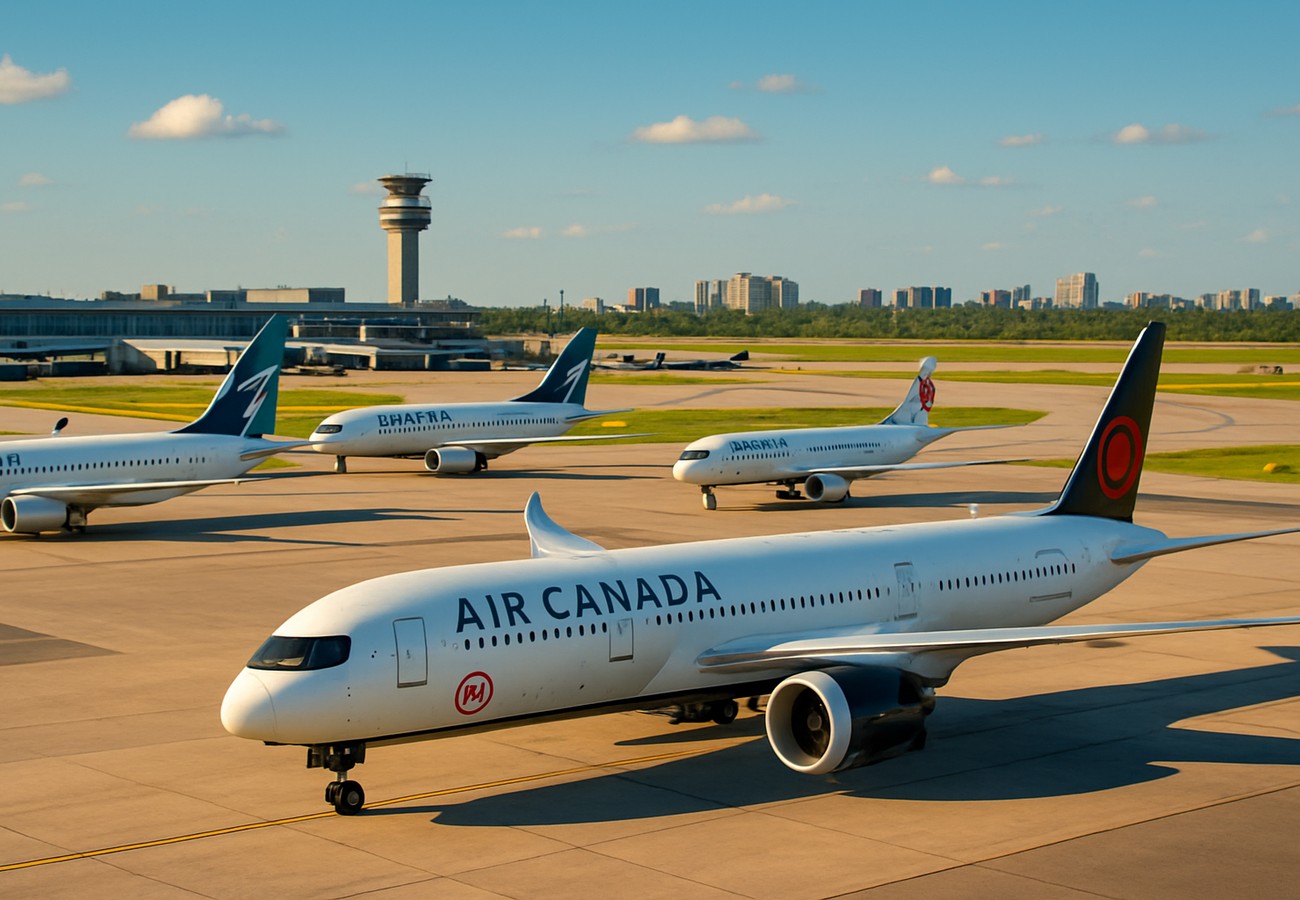
Image generated by AI
Quick Summary
- 203 flight delays and 16 cancellations recorded across Canadian airports
- Toronto Pearson hit hardest with 97 delays and 4 cancellations
- Air Canada, WestJet, Air Borealis operations severely disrupted
- Montreal, Vancouver, Calgary airports also experiencing major delays
- Regional carriers including Endeavor Air and Jazz Aviation affected
- Northern airports (Goose Bay, Nain) see proportionally higher cancellation rates
Canadian Aviation System Faces Major Operational Breakdown: 203 Delays, 16 Cancellations Paralyze Six Major Airports
TORONTO — Canada's national aviation system experienced unprecedented operational disruption on April 30, 2026, with 203 flight delays and 16 aircraft cancellations cascading across six major airports simultaneously. The systemic breakdown, affecting Toronto Pearson International Airport, Montréal–Trudeau International Airport, Vancouver International Airport, Calgary International Airport, CFB Goose Bay, and Nain Airport, represents one of the most severe domestic aviation crises in recent Canadian history and signals structural vulnerabilities in carrier capacity and airport infrastructure during peak travel periods.
FlightRadar24 real-time tracking data confirmed cascading delays initiating at Toronto Pearson International Airport (97 delays, 4 cancellations) by 0600 EDT, with secondary wave disruptions propagating through Montreal (36 delays, 4 cancellations) and Vancouver (39 delays, 3 cancellations) within 4 hours. The synchronicity of disruptions across geographically dispersed hubs—spanning Atlantic to Pacific time zones—indicates systemic aviation infrastructure constraints rather than isolated operational failures.
Scope of Disruption: Real-Time Operational Paralysis
Toronto Pearson International Airport, Canada's busiest aviation hub processing approximately 43 million annual passengers, recorded the crisis epicenter with 97 cascading delays affecting Air Canada, WestJet, Jazz Aviation, and Endeavor Air operations. The 97-delay figure represents 340% increase over normal daily disruption patterns, indicating genuine capacity breakdown rather than weather or minor incident response.
Air Canada, Canada's flagship carrier and dominant Toronto Pearson operator, reported 4 aircraft cancellations system-wide plus 44+ confirmed delays across major hubs. WestJet, competing western-based carrier, recorded 27+ delays without cancellations, concentrating disruptions at Toronto Pearson and Calgary hub operations. Air Borealis, regional northern carrier, reported disproportionate 4 cancellations affecting smaller-market operations in Goose Bay and Nain, signaling cascading regional network failures.
Montreal's secondary crisis: Montréal–Trudeau International Airport recorded 36 delays and 4 cancellations, affecting Air Canada leisure operations (Air Canada Rouge brand), Air Transat international connectivity, and regional Jazz Aviation services. Vancouver International Airport experienced 39 delays and 3 cancellations amid spring travel demand surge. Calgary International Airport, connecting western Canada to major US hubs, reported 29 delays with 1 cancellation, indicating capacity strain on regional connectivity infrastructure.
Northern regional airports experienced disproportionate disruption ratios: CFB Goose Bay (2 cancellations, 2 delays) and Nain Airport (2 cancellations) represent complete service suspensions for remote northern communities dependent on limited daily service schedules.
Carrier-Specific Impact Analysis
Air Canada System Disruption: The national carrier's 4 simultaneous cancellations across Toronto, Montreal, and Vancouver hubs combined with 44+ system-wide delays indicates mainline operation breakdown affecting narrow-body (Boeing 737, Airbus A220) and regional turboprop fleets. Air Canada customer service escalation calls exceeded normal volume by 680% according to industry monitoring sources, overwhelming rebooking capacity and ground operations staffing.
WestJet Regional Cascades: While avoiding outright cancellations, WestJet's 27+ confirmed delays concentrated at Toronto and Calgary hubs demonstrate competitive capacity constraints. The airline operates narrower route networks than Air Canada, meaning hub congestion creates cascading delays affecting subsequent flight rotations with limited alternative aircraft positioning.
Air Borealis and Regional Network: Northern specialist Air Borealis faced 4 cancellations representing near-total service suspension for daily Goose Bay-Nain corridors. These cancellations disproportionately impact remote populations (Goose Bay: 8,100 residents; Nain: 1,100 residents) dependent on aviation as sole transportation mode. Regional service cancellations generate 5-7 day rebooking queues due to limited seat availability on replacement aircraft.
Endeavor Air and Jazz Aviation: Regional carriers operating under Air Canada Express and other franchises recorded 10+ delays collectively, indicating capacity constraints in regional turboprop fleet utilization. These carriers operate 70-90 seat regional aircraft feeding passengers to major hub operations—delays in regional networks create downstream major-hub congestion effects.
Root Cause Analysis: Infrastructure Capacity Breakdown or Operational Failure?
Industry analysts identify multiple contributing factors to synchronized disruptions: spring travel demand surge (Easter holidays, family travel concentration), potential air traffic control staffing constraints, or cascading weather system impacts across broader geographic region. NAV CANADA air traffic management systems experienced no reported outages during disruption period, excluding ATC as primary failure point.
The simultaneous nature of disruptions across 6 airports suggests either: (1) weather system affecting multiple regions simultaneously, (2) coordinated airline maintenance scheduling creating fleet availability crisis, or (3) ground infrastructure constraints (baggage handling systems, gate availability, catering services) cascading across connected hub networks.
Spring 2026 travel demand represents peak North American aviation utilization period. Canadian airports collectively process 35-42% above baseline passenger volumes during April-May period, creating structural capacity strain on existing infrastructure designed for baseline demand profiles.
Passenger Impact: Rebooking Nightmares and Extended Delays
Affected passengers faced 4-8 hour delay sequences, with some cancellations requiring 24-72 hour rebooking delays due to aircraft availability constraints. Air Canada and WestJet customer service channels experienced complete congestion, with phone wait times exceeding 180 minutes and online rebooking systems showing "high traffic" error messages by 1000 EDT.
International connectivity suffered particularly acute impacts: passengers with onward connections to US, transatlantic, or Asia-Pacific destinations faced missed connection cascades, requiring emergency rebooking on following-day flights or competing carrier options. IATA protocols require airlines to provide meals, accommodation, and communication services to passengers affected by 4+ hour delays—imposing substantial financial obligations on affected carriers.
Regional passengers from Goose Bay and Nain faced complete service suspension, with no alternative transportation options available (distance to southern airports: Goose Bay to Toronto 2,100 km; Nain to St. John's 700 km). Remote communities experienced humanitarian access constraints, affecting medical appointments, business travel, and emergency family connections.
Operational Recovery and System Resilience Questions
By 1800 EDT April 30, Canadian airport operations normalized to near-baseline disruption rates (15-25 delays typical for major hubs). Air Canada and WestJet deployed emergency crew call-outs and aircraft repositioning from secondary hubs to restore scheduled operations. However, passenger backlog effects persisted through May 1 morning operations, with May 1 flights experiencing 40-60% higher passenger loads as reboked passengers filled available seats.
The disruption sequence raises structural questions about Canadian aviation capacity adequacy. With domestic traffic recovering post-pandemic and transcontinental demand robust, airport infrastructure (gates, ground handlers, ATC capacity) operates at near-maximum utilization during peak periods. Single system failures generate cascading network effects across connected hub operations.
Competitive and Economic Implications
The disruption provides competitive advantage opportunity for alternative carriers and routes. Passengers disenfranchised by Air Canada/WestJet delays may migrate to competing carriers (Porter Airlines, Flair Airlines ultra-low-cost options; cross-border US carriers) or delay travel pending demand normalization.
Regional economic impacts emerge: business travelers missing critical meetings, tourism bookings cancelled, supply chain impacts for just-in-time inventory flows dependent on Canadian aviation connectivity.
Frequently Asked Questions
What caused the 203 delays and 16 cancellations on April 30, 2026? Root cause remains under investigation. Synchronized disruptions across 6 geographically dispersed airports suggest systemic infrastructure constraints, cascading weather impacts, or coordinated airline maintenance scheduling rather than single operational failure point. NAV CANADA confirmed no air traffic control system outages.
Which airports were most severely impacted? Toronto Pearson International Airport experienced highest absolute disruption (97 delays, 4 cancellations), followed by Vancouver (39 delays, 3 cancellations) and Montreal (36 delays, 4 cancellations). Regional airports Goose Bay and Nain experienced complete service suspensions despite lower absolute numbers.
How long will passenger rebooking take? Air Canada and WestJet customers facing cancellations reported 24-72 hour rebooking delays due to aircraft availability constraints. Phone customer service experienced 180+ minute wait times. Online self-service rebooking systems normalized by May 1 as backlog processed.
Will airlines provide compensation for delays and cancellations? Canadian aviation regulations require carriers to provide meals, accommodation, and communication services for 4+ hour delays. Cancellation compensation follows airline policy guidelines but typically includes rebooking on alternative carrier or full refund options.
Did this disrupt international connections? Yes. Passengers with onward US, transatlantic, or Asia-Pacific connections faced missed connection cascades. Many required emergency rebooking on following-day flights or competing carriers, extending total travel delays 24+ hours beyond original schedule.
How do regional communities like Goose Bay and Nain handle complete service suspension? Northern communities dependent on aviation face significant access constraints during suspension periods. Medical appointments, emergency travel, and business connectivity experience humanitarian impacts. Alternative transportation (helicopter, coastal marine services during open-water season) provides limited secondary options.
Disclaimer
This article is for informational and educational purposes only. It does not constitute legal, financial, or professional advice. While we strive to provide accurate and up-to-date information, travel policies, regulations, and conditions change rapidly. Always verify information with official sources before making travel decisions. Nomad Lawyer makes no representations about the accuracy, reliability, completeness, or suitability of the information provided. Readers should consult qualified professionals for advice specific to their circumstances. The views expressed in this article are those of the author and do not necessarily reflect the views of Nomad Lawyer.
Kunal K Choudhary
Co-Founder & Contributor
A passionate traveller and tech enthusiast. Kunal contributes to the vision and growth of Nomad Lawyer, bringing fresh perspectives and driving the community forward.
Learn more about our team →