
Cambodia and India Partner on Quick Impact Ecotourism Projects and Mobile Travel App
Cambodia and India expand sustainable ecotourism through three Quick Impact Projects in Kampong Thom, Prey Veng, and a national travel app.
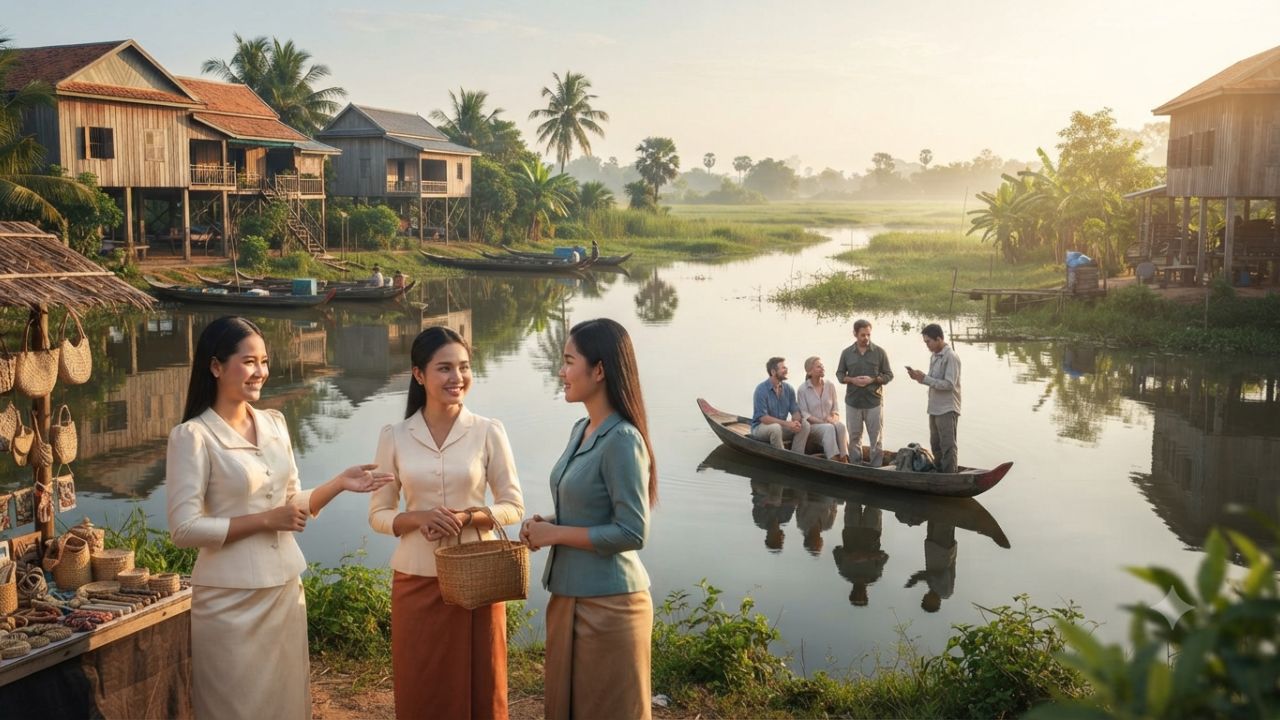
Image generated by AI
Cambodia and India have expanded bilateral tourism cooperation through three Quick Impact Projects (QIPs) designed to foster community-based ecotourism and launch a nationwide digital destination promotion platform.
Supported by the Government of India in collaboration with the Ministry of Tourism of Cambodia, the bilateral initiative focuses on developing local travel products in rural provinces while improving digital visibility for secondary destinations. The partnership coincides with enhanced direct air connectivity between the two nations, opening new avenues for cultural and sustainable travel.
Three India-Backed Quick Impact Projects Target Regional Communities
Progress on the three Quick Impact Projects was formally reviewed during bilateral tourism discussions in Phnom Penh between Cambodian officials and representatives from the Embassy of India. The initiatives address infrastructure, community involvement, and digital promotion:
- Phat Sanday Ecotourism Community (Kampong Thom Province): Receives targeted support to build sustainable ecotourism facilities and guide networks around the Tonle Sap lake basin, dispersing foottraffic away from high-density tourist centers.
- Toul Poan Tali Boeung Sneah Community (Prey Veng Province): Focuses on establishing eco-trails and bird-watching infrastructure to integrate local agricultural communities directly into the national visitor economy.
- Nationwide Tourism Mobile Application: A central digital platform created to feature lesser-known ecotourism communities, local artisanal products, homestays, and regional heritage sites across all 25 Cambodian provinces.
Direct Kolkata–Siem Reap Flight Corridor Enhances Visitor Mobility
The community-level ecotourism initiatives are supported by improved international air access. The resumption of direct flights by IndiGo between Kolkata and Siem Reap provides a direct travel corridor connecting Indian travelers with Cambodia’s cultural and natural attractions.
Cambodia’s private tourism operators are adapting hospitality offerings, dining services, and guided tour itineraries to accommodate expected growth in Indian inbound arrivals, leveraging shared historical and religious heritage links dating back centuries.
Strategic Impact of Bilateral Ecotourism Cooperation
| Initiative / Project | Geographic Focus | Operational Objective | Primary Stakeholders |
|---|---|---|---|
| Phat Sanday Ecotourism Project | Kampong Thom Province | Ecotourism facility upgrades & guide training | Ministry of Tourism & Local Community |
| Boeung Sneah Ecotourism Project | Prey Veng Province | Community eco-trails & bird-watching sites | Local Cooperative & Indian Embassy |
| Nationwide Tourism Mobile App | Country-Wide (25 Provinces) | Digital promotion of secondary destinations | Ministry of Tourism & Tech Partners |
| Direct Air Connectivity | Kolkata (CCU) to Siem Reap (SAI) | Direct passenger transport via IndiGo | IndiGo Airlines & Civil Aviation |
Frequently Asked Questions
What are the three India-backed Quick Impact Projects in Cambodia?
The three projects include community-based ecotourism developments in Kampong Thom and Prey Veng provinces, along with a nationwide mobile travel application for promoting local destinations.
Which provinces benefit from the community ecotourism projects?
The projects support the Phat Sanday Ecotourism Community in Kampong Thom province and the Toul Poan Tali Boeung Sneah Community in Prey Veng province.
Which airline operates direct flights between India and Cambodia?
IndiGo operates direct flights connecting Kolkata (CCU) with Siem Reap (SAI), strengthening tourism and business travel between India and Cambodia.
What is the goal of the new Cambodian tourism mobile app?
The mobile app aims to increase digital visibility for lesser-known ecotourism communities, local homestays, and regional travel products beyond traditional tourist hubs.
Related Travel Guides
Disclaimer
This article is for informational and educational purposes only. It does not constitute legal, financial, or professional advice. While we strive to provide accurate and up-to-date information, travel policies, regulations, and conditions change rapidly. Always verify information with official sources before making travel decisions. Nomad Lawyer makes no representations about the accuracy, reliability, completeness, or suitability of the information provided. Readers should consult qualified professionals for advice specific to their circumstances. The views expressed in this article are those of the author and do not necessarily reflect the views of Nomad Lawyer.
Naina Thakur
Contributor & Travel Specialist
Travel enthusiast and legal writer covering visa regulations, responsible tourism, and cultural journeys across global destinations.
Learn more about our team →