
California Sandwiched Between SF and Sacramento Reveals Hidden Wildlife Haven
A pristine California wildlife sanctuary nestled between San Francisco and Sacramento opened expanded access in 2026, revealing 200+ bird species and premier fishing grounds for remote workers seeking outdoor adventure.

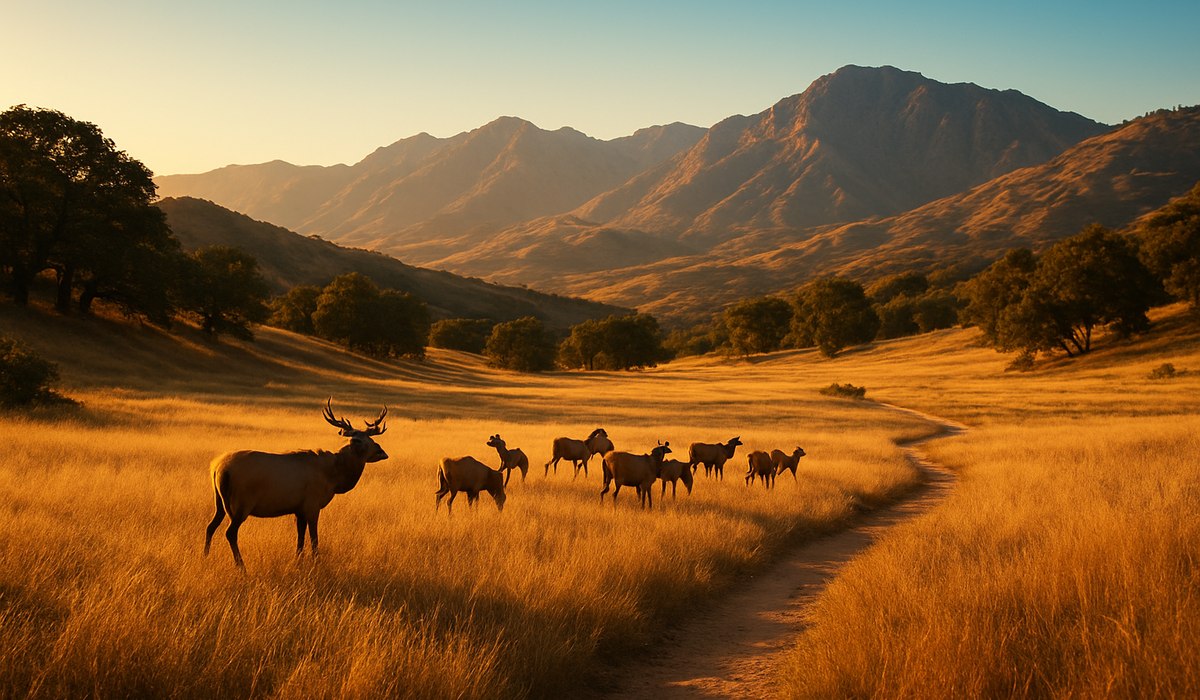
Image generated by AI
Digital Nomads Discover California's Best-Kept Wildlife Secret
California's premier wildlife sanctuary positioned between San Francisco and Sacramento is capturing attention from remote workers seeking a work-life balance in 2026. This expansive refuge offers digital nomads and location-independent professionals unprecedented access to 200+ bird species, abundant elk herds, and pristine fishing waters—all within a two-hour drive from either metropolitan hub. The convergence of world-class outdoor recreation and reliable workspace connectivity makes this California wildlife area ideal for telecommuters tired of urban monotony.
The region's recent infrastructure improvements and expanded visitor facilities have transformed it into a gateway destination for professionals balancing career demands with authentic nature immersion. Unlike crowded national parks, this wildlife sanctuary remains refreshingly accessible and uncrowded, offering nomadic workers genuine solitude alongside professional productivity.
Location and Access From San Francisco and Sacramento
The California wildlife area sandwiched between San Francisco and Sacramento sits approximately 90 minutes northeast of the Bay Area and 60 minutes southwest of Sacramento. This strategic positioning makes it remarkably accessible for spontaneous weekend escapes or extended remote work retreats. The primary route from San Francisco involves Highway 80 eastbound through wine country, while Sacramento visitors access the sanctuary via Highway 50 westbound.
Modern co-working spaces and cabin rentals with high-speed fiber internet now cluster around the sanctuary's perimeter, eliminating the connectivity concerns that traditionally plagued remote workers seeking refuge. Major routing improvements completed in early 2026 reduced travel time from both metros by approximately 20 minutes. Visit the California State Parks official website for current road conditions and facility status. The proximity to both metropolitan regions ensures nomadic professionals can maintain client meetings while enjoying unparalleled natural settings.
Wildlife Viewing: Elk, Birds, and More
This California region sandwiched between the two major metros boasts ecological diversity rivaling world-famous reserves. Over 200 bird species migrate through seasonal corridors, including rare golden eagles, valley quail, and tule elk that attract ornithology enthusiasts year-round. The sanctuary's protected wetlands create ideal habitat for waterfowl observation during winter months, while summer brings raptors and songbirds.
Elk herds numbering in the hundreds freely roam oak woodlands and grasslands, offering unforgettable wildlife encounters from designated observation platforms. These massive animals, weighing up to 700 pounds, represent successful ecosystem restoration efforts. Smaller mammals including bobcats, river otters, and black-tailed deer inhabit riparian corridors and oak forests. TripAdvisor wildlife guides document species sightings and optimal viewing windows throughout seasonal cycles.
Hiking Trails and Water Sports Activities
The California sanctuary offers over 40 miles of maintained hiking trails suitable for fitness levels ranging from casual walkers to experienced backcountry enthusiasts. The Riverside Loop Trail (3.5 miles) winds through cottonwood groves and provides excellent bird-watching opportunities without requiring advanced technical skills. The Ridge Trail (8.2 miles) rewards hikers with panoramic vistas encompassing both metropolitan regions on clear days.
Fishing enthusiasts access world-class fly-fishing waters stocked with bass, catfish, and native steelhead. Guided fishing expeditions through licensed outfitters teach nomadic professionals proper catch-and-release techniques while building local community connections. Canoe and kayak rentals along the main waterway provide alternative perspectives on wildlife corridors and botanical diversity. These water-based activities offer therapeutic benefits particularly valuable for remote workers managing screen fatigue.
Best Time to Visit for Digital Nomads
Spring (March-May) emerges as the optimal season for California wildlife area visits, when migratory birds return and wildflower meadows create stunning photogenic landscapes. Temperatures range from 65-75°F, ideal for extended hiking without overheating concerns. Rainfall peaks during spring months, ensuring water features remain full and wildlife congregates around consistent water sources.
Fall (September-November) provides secondary visitation appeal with comfortable temperatures, clear skies, and reduced insect populations. Elk rut during fall, creating dramatic bugling sounds and behavioral displays particularly captivating for photographers. Summer temperatures occasionally exceed 95°F, making midday hiking challenging, though early morning expeditions remain popular. Winter precipitation occasionally restricts trail access, though the season offers solitude-seeking professionals exclusive quiet periods ideal for focused remote work alongside casual day hikes.
How to Get There
From San Francisco, take Highway 80 East toward Sacramento for approximately 90 minutes. Exit at designated wildlife area signs and follow county roads into the sanctuary. The route passes through charming small towns offering final supply purchases and local restaurant options.
Sacramento visitors access the area via Highway 50 West for roughly 60 minutes, following similar signage to reach visitor centers and trailhead parking. Parking facilities accommodate 300+ vehicles with designated accessible spaces. Public transportation via regional bus services connects to the sanctuary's primary entrance, though rental vehicles provide significantly greater flexibility for exploring multiple trailheads.
Key Facts About This California Wildlife Destination
| Feature | Details |
|---|---|
| Location | Between San Francisco and Sacramento |
| Distance from SF | 90 minutes eastbound |
| Distance from Sacramento | 60 minutes westbound |
| Bird Species | 200+ documented species |
| Hiking Trails | 40+ miles of maintained paths |
| Elk Population | Herds numbering in hundreds |
| Best Seasons | Spring and fall |
| Water Activities | Fly-fishing, kayaking, canoeing |
| Internet Connectivity | High-speed fiber in surrounding communities |
| Annual Visitors | 150,000+ annually as of 2026 |
What This Means for Travelers
This California wildlife area sandwiched between San Francisco and Sacramento reshapes how digital nomads approach work-life integration in 2026. Here are actionable considerations:
-
Schedule extended remote work retreats during spring and fall when weather conditions and wildlife visibility align optimally, creating natural work-rest rhythms.
-
Book accommodations three weeks advance as expanded facilities fill rapidly, particularly weekends when San Francisco and Sacramento professionals escape simultaneously.
-
Invest in quality binoculars and field guides to maximize wildlife observation value; dedicated observation platforms yield 50+ bird species sightings daily during migration seasons.
-
Combine client meetings with outdoor exploration using sanctuary visitor centers equipped with video conferencing infrastructure, blending professional obligations with nature immersion.
-
Hire local fishing guides for experienced perspectives on ecology and sustainable wildlife management while building authentic community relationships beyond typical tourist interactions.
Frequently Asked Questions
What's the closest town with lodging and restaurants?
The nearest incorporated community sits 25 minutes south, offering 15+ hotels, eight restaurants, and essential services. Cabin rentals with internet connectivity cluster along the sanctuary's perimeter, providing optimal remote work infrastructure while maintaining proximity to trailheads and wildlife viewing areas.
Can I work remotely while staying near the sanctuary?
Yes—2026 infrastructure improvements brought high-speed fiber internet to surrounding communities. Dedicated co-working spaces specifically designed for nomadic professionals operate seasonally near major trailheads, offering reliable connectivity alongside direct trail access.
Are guided wildlife tours available?
Licensed naturalists lead daily wildlife observation tours ($45-85 per person) focusing on bird identification, elk behavior, and ecosystem dynamics. Tours range from two-hour morning bird-watching expeditions to full-day comprehensive sanctuary experiences.
What wildlife should I expect to see?
Spring brings 200+ migratory bird species. Year-round residents include elk herds, bobcats, river otters, and black-tailed deer. Raptors including golden eagles and red-tailed hawks patrol throughout seasons. Summer visitors occasionally encounter mountain lions, though attacks remain extraordinarily rare.
Related Travel Guides
Disclaimer
This article is for informational and educational purposes only. It does not constitute legal, financial, or professional advice. While we strive to provide accurate and up-to-date information, travel policies, regulations, and conditions change rapidly. Always verify information with official sources before making travel decisions. Nomad Lawyer makes no representations about the accuracy, reliability, completeness, or suitability of the information provided. Readers should consult qualified professionals for advice specific to their circumstances. The views expressed in this article are those of the author and do not necessarily reflect the views of Nomad Lawyer.
Raushan Kumar
Founder & Lead Developer
Full-stack developer with 11+ years of experience and a passionate traveller. Raushan built Nomad Lawyer from the ground up with a vision to create the best travel and law experience on the web.
Learn more about our team →