JetBlue Red-Eye Flight Diverts to Chicago After Unexplained Cabin Odor Forces Emergency Landing


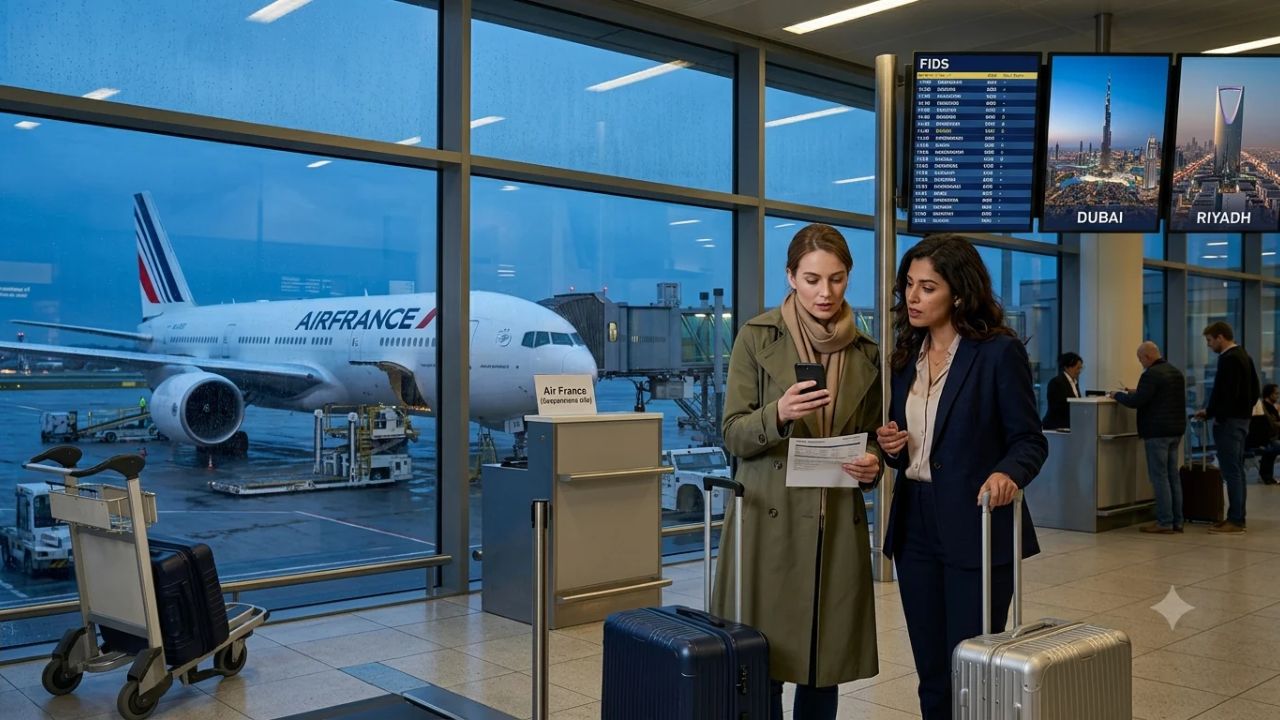
Image generated by AI
Late-night San Francisco-to-Boston service rerouted mid-flight; passengers delayed six hours on replacement aircraft
Unscheduled Diversion Disrupts Cross-Country Service
A JetBlue Airways Airbus A321 operating an overnight service from San Francisco to Boston was forced to divert to Chicago O'Hare International Airport early Friday morning following reports of an unusual odor detected in the cabin, aviation authorities confirmed.
The narrow-body aircraft touched down at approximately 3:00 am local time on April 17, prompting an immediate evacuation of all passengers. The incident underscores ongoing challenges facing the aviation industry as carriers operate increasingly tight flight schedules and aging fleet components.
Operational Response and Passenger Impact
Following standard safety protocols, all passengers disembarked for inspection and investigation of the source. JetBlue arranged alternative transportation via a replacement aircraft, which departed Chicago six hours later to complete the journey to Boston. No injuries were reported during the diversion or subsequent transfer procedures.
The airline did not immediately disclose the source of the odor, though unexplained cabin air quality issues have become a recurring concern across the global aviation sector. Similar incidents in recent months have prompted renewed scrutiny of aircraft ventilation systems and maintenance schedules.
Broader Industry Context
The diversion reflects persistent operational challenges facing carriers as they balance cost efficiency with passenger safety and comfort. JetBlue, along with competing carriers, has faced mounting pressure to reduce operational expenses amid volatile jet fuel prices and inflationary labor costs—factors that have driven baggage charges and ancillary fees to record levels industry-wide.
Red-eye flights, which generate premium revenue for airlines operating between West Coast and East Coast markets, remain economically vital to carrier profitability. However, overnight services also strain crew scheduling and maintenance operations, potentially contributing to incidents like this one.
The incident adds to a growing inventory of air quality-related diversions documented across major U.S. carriers in 2024, raising questions about maintenance protocols and cabin systems oversight among fleet operators.
JetBlue, which operates one of the youngest A321 fleets in North America, has maintained competitive positioning in the premium economy and cross-country markets, but such operational disruptions impact passenger confidence and on-time performance metrics.
FAQ: Common Questions About Cabin Diversion Incidents and Airline Operations
Q: What causes unexplained odors on commercial aircraft? A: Sources vary widely, including lavatory malfunctions, cargo hold issues, aircraft structural degradation, catering problems, or mechanical system failures. Airlines typically investigate after landing to identify root causes.
Q: Do airlines have to compensate passengers for diversions caused by cabin issues? A: Compensation policies vary by airline and jurisdiction. U.S. carriers are not federally mandated to provide compensation for diversions due to safety concerns, though individual airlines may offer goodwill gestures.
Q: How often do aircraft divert due to air quality problems? A: While exact statistics are limited, the FAA receives hundreds of air quality-related reports annually. Most are minor, but significant incidents occasionally require diversions and investigations.
Q: Does this incident affect JetBlue's safety record? A: A single diversion does not indicate systemic safety problems. JetBlue maintains strong safety metrics. However, patterns of similar incidents across fleets warrant regulatory review and maintenance scrutiny.
Q: What should passengers do if they experience odors during flight? A: Immediately alert flight crew, who will assess the situation and notify pilots if necessary. Crews are trained to handle air quality emergencies and will take appropriate action, including possible diversion if safety is at risk.
Related Travel Guides
- Escaping the Travel Chaos: Air Canada Deploys Massive 'Signature Plus' Retrofit Across 65 Boeing Jets to Shield Passengers from Long-Haul Flight Disruptions
- Philippine Carrier Cebu Pacific Navigates Precarious Balance as Fuel Costs Threaten Aviation Economics
- 207 Flights Cancelled at Chicago O'Hare as SkyWest, Republic, Envoy Air Paralyze North American Aviation Network
This article is for informational purposes. Flight routes, passenger regulations, visa rules, and transit advisories are subject to change by airlines and aviation authorities. Readers are advised to verify schedules and travel documentation with relevant carriers and border agencies before departure.
Related Stories
Ultra-Comfortable Budget Flights: How Singapore, Japan, Malaysia, and Spain Are Redefining Long-Haul Low-Cost Air Travel
Alaska Airlines Connects Anchorage with Dallas, Austin, and Nashville in Summer 2027 Domestic Network Expansion